
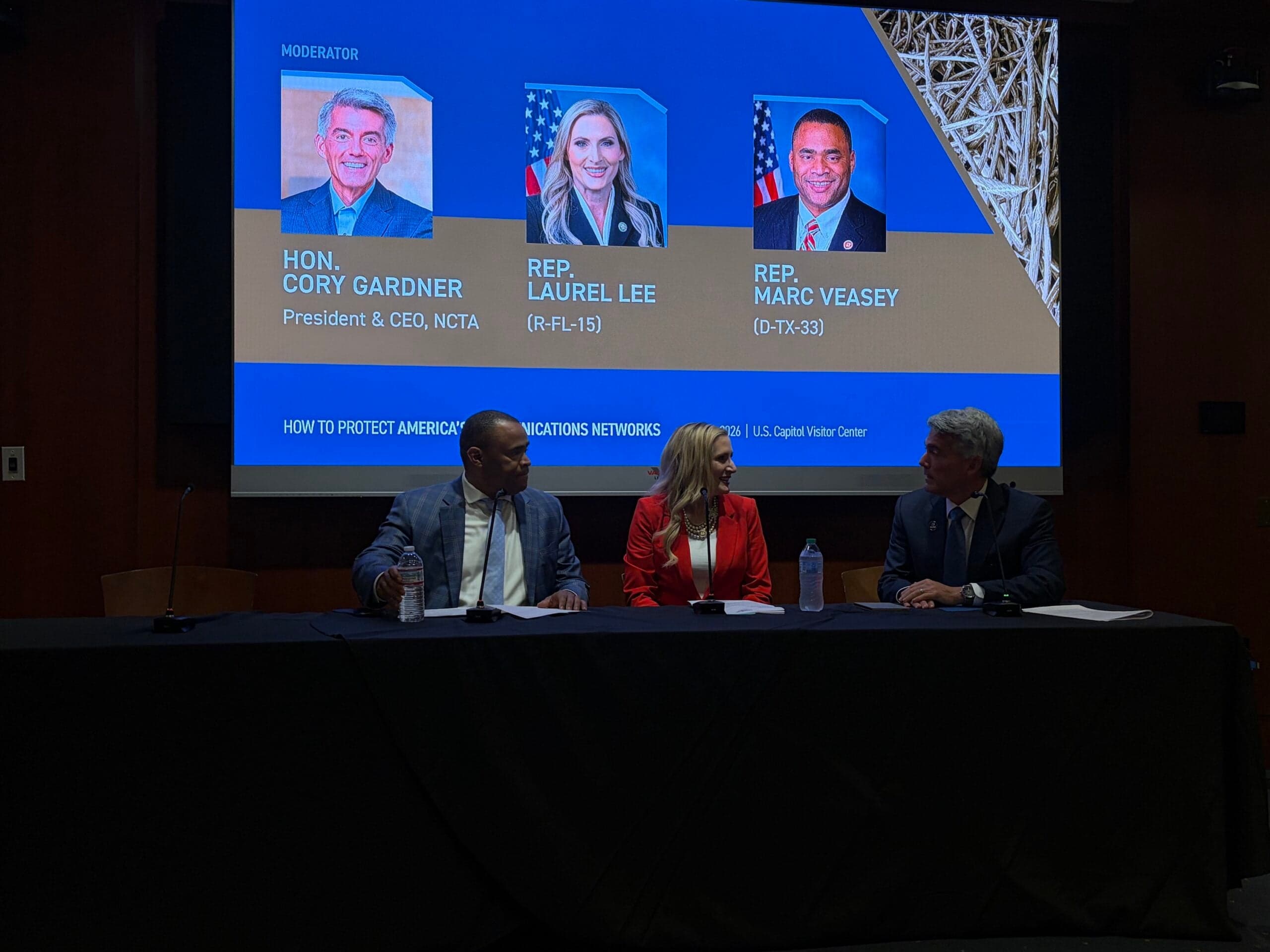
Broadband providers including Charter, AT&T, and Comcast are supporting the proposed federal HR 2784 legislation, which aims to criminalize and impose stricter penalties for the destruction of critical telecommunications infrastructure. The industry groups cited a significant rise in vandalism incidents that disrupt essential services, including broadband connectivity and 911 access.
The surge in network vandalism, often driven by high copper prices, has evolved from a local nuisance into a systemic threat to public safety and 911 access. Concretely, this means operators are shifting from reactive repairs to predictive AI monitoring to mitigate multi-day outages. For the broader ecosystem, it highlights a critical vulnerability in the shift from copper to fiber; vandals frequently sever glass lines by mistake, causing cascading data failures without any scrap value. Industry observers should watch for the introduction of a companion Senate bill, which executives expect shortly, as a signal of bipartisan momentum for federal oversight of private network security.
The push for H.R. 2784 comes as the industry reports a massive spike in organized infrastructure crime. According to data from NCTA and USTelecom, reported incidents reached 18,327 in 2025—a 59% increase over 2024 levels—disrupting service for approximately 12 million customers. AT&T alone logged more than 10,400 copper theft incidents in 2025, resulting in over $82 million in damages. This activity is increasingly concentrated in California and Texas, which collectively accounted for more than half of all reported U.S. incidents last year, per NCTA reporting in June 2026.
Technological countermeasures are becoming a primary internal focus for major ISPs. Comcast has implemented AI-powered network amplifiers and algorithms that analyze 10,000 data points every hour. Per Comcast, May 2026, these tools can now pinpoint outside plant faults with 99.2% precision, allowing the company to identify and reroute traffic around fiber cuts automatically. Such virtualization, part of Comcast's 'Project Genesis,' aimed to reach 70% of its footprint by the end of 2025 to harden infrastructure against physical sabotage.
Beyond repair costs, the economic burden of these outages is significant. Analysis by Dr. Edward Lopez, cited by trade groups in mid-2026, estimated the societal cost of these disruptions between $294 million and $1.47 billion in 2025. This impact has led four major associations—NCTA, ACA Connects, NTCA, and USTelecom—to urge the FBI and Department of Homeland Security specifically to treat coordinated network sabotage as domestic terrorism when specific criteria are met, reflecting the high stakes for emergency services and national security.
Add StreamingMeme as a preferred source on Google to see more of our streaming news at the top of your Search results.
Add as preferred source