
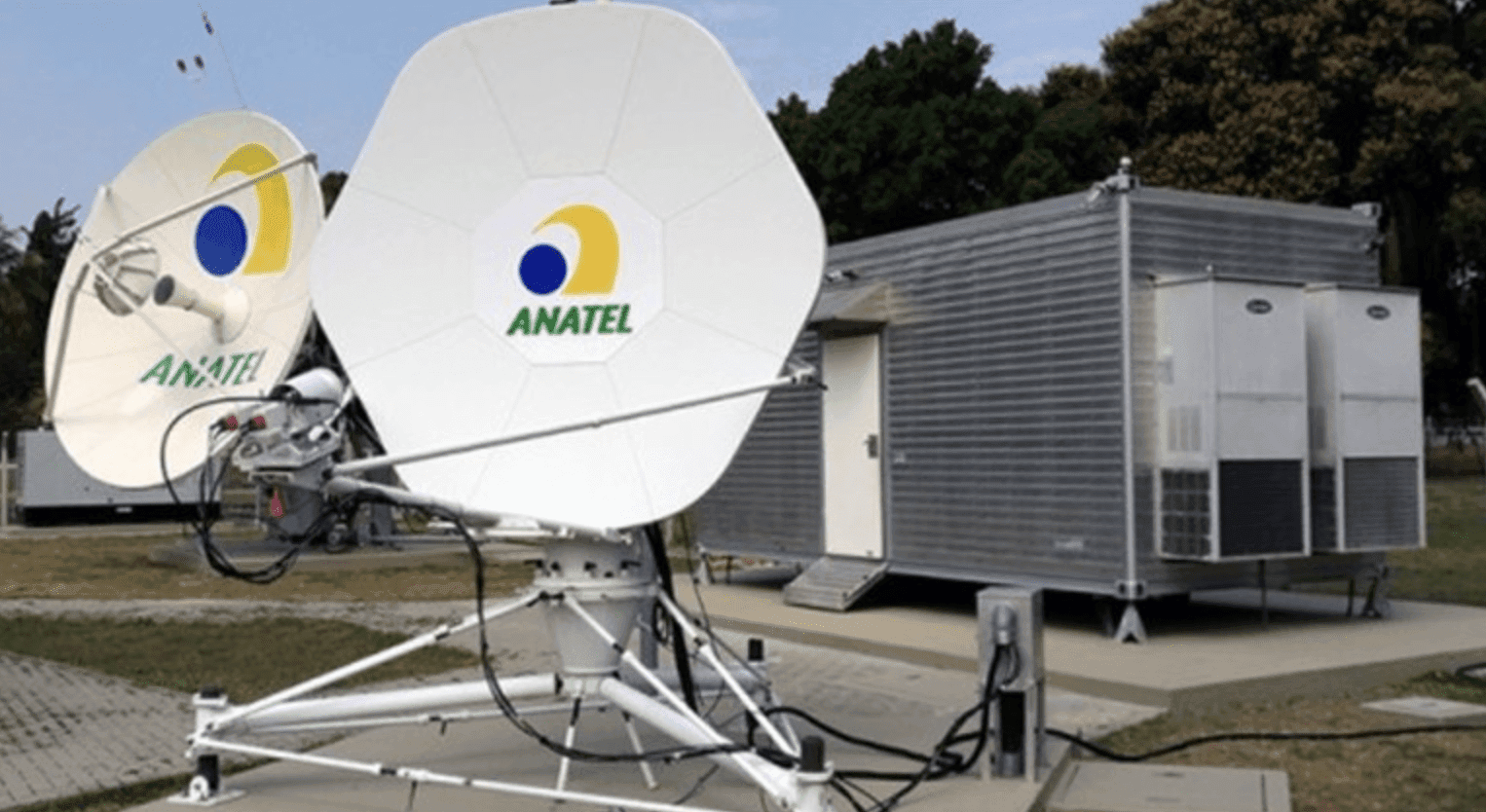
Brazil's telecommunications regulator, Anatel, has issued Resolution 789 to allocate the 250 MHz to 322 MHz frequency band for the national rollout of the TV 3.0 standard. The regulation establishes regional priority channels and transition frameworks for existing private network licensees to ensure spectral coexistence for future broadcast services.
This allocation provides the physical foundation for Brazil's migration to an IP-centric broadcast model, moving beyond experimental pilots into a regulated national framework. By reclaiming spectrum from private terrestrial networks, Anatel is clearing the path for broadcasters to offer high-bandwidth features like 4K and immersive audio via over-the-air signals. Internationally, this move reinforces Brazil's commitment to the ATSC 3.0-derived standard, creating a massive regional market for hardware vendors and software providers. Watch for the completion of the transition in Rio and São Paulo, which serve as the primary templates for nationwide interference management.
The allocation of the 250-322 MHz band is a critical step in the broader 'DTV+' road map, which President Luiz Inácio Lula da Silva formalized through a landmark decree in August 2025. Per ATSC, Brazil's decision to adopt the ATSC 3.0 physical layer was driven by the system's performance in spectral efficiency and mobile reception during rigorous field testing. This transition is particularly vital because terrestrial broadcasting remains the dominant platform in Brazil, reaching approximately 80% of the population as of late 2025 reporting.
Broadcasters like Globo have been instrumental in this shift, targeting 24/7 commercial operations by the 2026 World Cup. According to CSI Magazine, the government recently extended the full implementation deadline for TV 3.0 to the end of 2027 to allow the receiver ecosystem to mature and ensure technical standardization. This extension coincided with the official completion of Brazil’s nationwide analog switch-off in March 2026, which freed up the 700 MHz band for mobile 4G expansion.
Beyond domestic goals, Brazil's rapid regulatory movement is attracting U.S. technology vendors specializing in VVC/HEVC encoding and interactive middleware. Per the U.S. Commercial Service (August 2025), Brazil's 70 million TV households represent a scale that could influence standard adoption throughout Latin America. Recent Anatel reforms, such as Resolution 780 in 2025, also tightened homologation rules for telecom hardware, ensuring that the consumer devices used to access TV 3.0 meet strict safety and cybersecurity requirements.
Add StreamingMeme as a preferred source on Google to see more of our streaming news at the top of your Search results.
Add as preferred source