
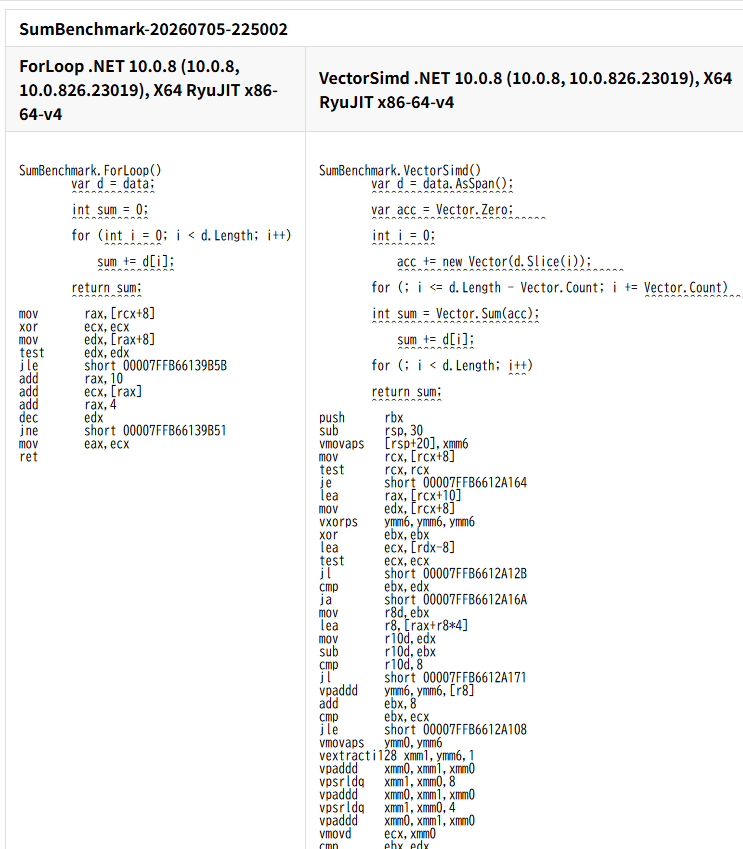
The article demonstrates a workflow for optimizing C# application code using BenchmarkDotNet metrics to inform AI agents. By feeding machine code disassembly and branch-prediction data into models like Fable 5, the author illustrates a method for generating high-performance logic for low-level system tasks.
The transition from 'vibe-coding' to metric-driven agentic engineering marks a technical pivot in how streaming architectures are optimized. By utilizing JIT-level telemetry, engineering teams can offload the most complex micro-optimizations—critical for low-latency video pipelines and metadata serialization—to AI agents that excel at branch-prediction analysis. This shift suggests that the next competitive advantage in streaming infrastructure won't just be better models, but better evidence-based feedback loops that integrate hardware counters into the development process. Watch for the integration of these benchmarking harnesses into automated CI/CD pipelines to trigger performance-based code refactors without human intervention.
The capability gap in specialized coding tasks is widening among frontier models. Per MorphLLM (June 2026), Fable 5 occupies a premium tier with 80% marks on agentic coding benchmarks, significantly leading mid-tier models like Sonnet 5, which scores approximately 63%. This performance comes at a substantial overhead; Anthropic prices Fable 5 at $10 per million input tokens, a 5x premium over Sonnet 5’s introductory rates. This cost structure is forcing a new architecture discipline where teams use mid-tier models for routine logic and reserve Mythos-class models like Fable 5 for difficult architectural decisions or hardware-level optimizations.
Simultaneously, the .NET ecosystem is evolving to support these AI-driven workflows. Per Medium (April 2026), the release of .NET 10 introduced enhanced hardware counters and NUMA-aware garbage collection, which provide the granular data necessary for BenchmarkDotNet to inform AI models accurately. Tools like GitHub Copilot and Claude Code have begun integrating these telemetry outputs, moving the bottleneck from code generation to review capacity. As reported by InfoQ (June 2026), the market is converging on a 'throughput' model where the dominant challenge is no longer writing the code, but maintaining a delivery system capable of absorbing and verifying high-frequency, machine-generated performance fixes.
Add StreamingMeme as a preferred source on Google to see more of our streaming news at the top of your Search results.
Add as preferred source