

BBC Sport Secures Wimbledon Rights to 2033, Expanding Digital-First Production
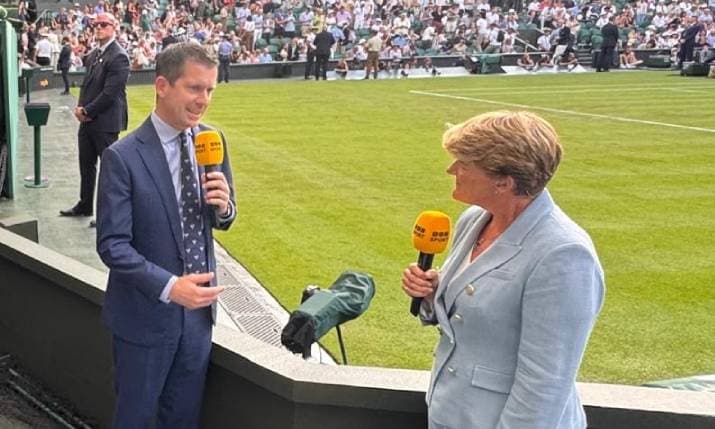
BBC Sport has extended its broadcasting rights for the Wimbledon Championship through 2033, continuing its use of a hybrid remote production model between London and Salford. The broadcaster is leveraging UHD distribution and expanded live streaming via BBC iPlayer, including a dedicated 'Wimbledon Extra' channel providing individual streams for all 18 courts.
Key Takeaways
- A new six-year rights extension keeps the tournament on BBC platforms until 2033, including linear TV, iPlayer, and BBC Sounds.
- The hybrid production splits tasks, with network output managed on-site in London while craft editing and all 18 live streams are handled in Salford.
- The 'Wimbledon Extra' channel on iPlayer now includes L-shaped graphics for live results and news, influenced by the 'red zone' multi-game format.
- UHD distribution for Centre Court is seeing significant adoption, following record digital engagement of 69.3 million requests during the 2025 tournament.
Why It Matters
The extension solidifies the BBC’s role as the anchor for British free-to-air sports at a time when premium rights are increasingly migrating to global streamers. Concretely, the shift toward a heavy remote production reliance in Salford demonstrates the maturity of hybrid workflows for massive, multi-feed events. For the broader ecosystem, it signals that public service broadcasters can successfully defend tier-one rights by iterating on digital delivery—such as UHD and court-specific streaming—rather than just linear reach. Industry strategists should monitor if this specific UHD adoption rate continues to outpace linear viewing for prestige events.
Additional Context
The rights extension follows a period of perceived pressure for the BBC's tennis coverage. Per Broadband TV News (June 2026), the All England Club had previously expressed private concerns that the BBC's production style had become 'stale' compared to the high-gloss offerings of Roland Garros and the US Open. To address this, the 2026 tournament launched with a refreshed editorial team including Andre Agassi and Laura Robson, as well as a heavy emphasis on data-driven interactive features like 'Signals,' a second-screen experience developed by BBC R&D that integrates real-time stats directly into the main frame.
Technically, the BBC is building on a remote production infrastructure refined during the 2024 Paris Olympics and Euro 2024. According to Broadcast (July 2024), the BBC’s Salford hub at dock10 processed over 50 video feeds for major tournaments, utilizing virtual studio engines and 12G UHD connectivity. This centralized approach allows the broadcaster to manage the sheer volume of 18 concurrent court streams while reducing the physical footprint at the SW19 broadcast center, which is increasingly constrained by space and environmental regulations.
Market-wise, Wimbledon remains a critical Group A 'listed event' in the UK, but primary rights retention is becoming expensive. While the BBC reportedly pays approximately £60 million annually, per SportsPro Media (June 2026), the AELTC has begun diversifying revenue by selling secondary rights to TNT Sports for a nightly highlights special. This tiered strategy maintains public reach through the BBC while capturing high-value advertising revenue from pay-TV partners, a model likely to be replicated by other major European sports properties face-to-face with rising rights costs.
Read full article at svgeurope.org
Enjoy our coverage?
Add StreamingMeme as a preferred source on Google to see more of our streaming news at the top of your Search results.
Add as preferred source