

ATSC 3.0 Transition Stalls Amid FCC Silence, Policy Disputes
The annual ATSC NextGen Broadcast Conference highlighted the stalled transition of ATSC 3.0 despite 18.5 million NextGen TV sets sold. Regulatory policy, particularly the FCC’s "substantially similar" rule, and the lack of a date certain for 1.0 broadcasts to cease continue to be significant barriers to broader adoption. Broadcasters are advancing NextGen TV programming enhancements, including 1080p HDR and Dolby Atmos audio, and launching promotional campaigns to encourage 3.0 adoption.
Key Takeaways
- 18.5 million NextGen TV sets have been sold to date, with 1.3 million viewers using HDR programming and 500,000 experiencing Dolby Atmos sound over the air.
- The FCC had no representation at the 2026 ATSC conference, contrasting with previous years featuring Media Bureau staff or acting commissioners.
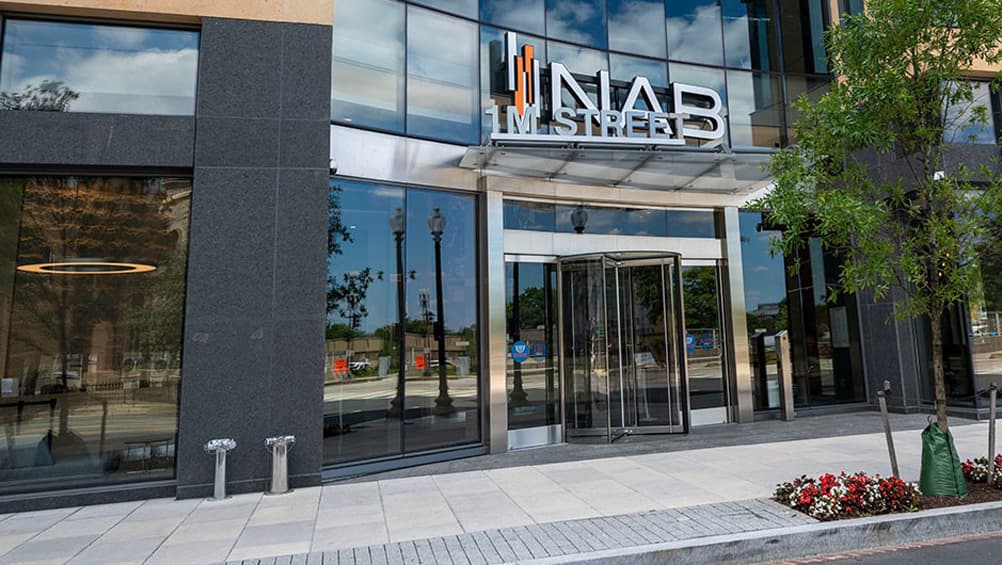
- NAB spun off its Broadcast Positioning System (BPS) efforts into a new company, Merkhet Solutions, with former NAB CTO Sam Matheny as CEO.
- Gray Television’s WAVE Louisville produced all local Kentucky Derby coverage in 1080p HDR with Dolby Atmos audio, dual-mapping for Dolby Vision and HDR10+.
- Sinclair launched a promotional campaign for NextGen TV in Columbus, Ohio, including partnerships with antenna manufacturers and advertising across platforms, timed with the 2026 FIFA World Cup.
Why It Matters
The continued stagnation of the ATSC 3.0 transition impacts broadcasters' ability to fully monetize new datacasting services and advanced features. Regulatory uncertainty, particularly surrounding the "substantially similar" simulcasting rule and a hard sunset date for ATSC 1.0, is delaying wider adoption and investment from both broadcasters and manufacturers. This directly affects the pace at which consumers can access enhanced video, audio, and interactive services. The industry needs clearer guidance from the FCC to accelerate the transition, or it risks prolonged fragmentation and underutilized infrastructure, making signal clarity and regulatory action the primary signals to watch for progress.
Additional Context
The debate over a firm ATSC 1.0 sunset date is intensifying, with the NAB actively pushing the FCC for a clear timeline to drive investment and reduce consumer confusion (Content + Technology, January 2026). They argue that without a clear endpoint, stakeholders, including manufacturers and cable operators, will delay investment, and consumers will face higher device costs and uncertain upgrade decisions (NAB filing, February 2025). The NAB proposals suggest a two-phase schedule, with larger markets transitioning as early as 2028 (TVREV, January 2026).
However, this push faces significant opposition. The NCTA (National Cable Television Association) argues that extending mandatory carriage rights to ATSC 3.0 stations is unconstitutional and that the transition should remain market-based (RBR, May 2026). They claim that current simulcasting requirements are essential and that abandoning them prematurely would impose substantial costs on consumers and MVPDs. Public broadcasters, represented by APTS and PBS, also advocate for a locally driven, voluntary transition, citing financial and mission-based concerns that make a mandated cutoff problematic for smaller operators and non-commercial entities (RBR, April 2026; TVREV, January 2026). The FCC's silence at the recent conference underscores the lack of resolution on these critical policy issues, leaving the industry in a holding pattern as competing interests vie for regulatory influence.
Read full article at tvnewscheck.com
Enjoy our coverage?
Add StreamingMeme as a preferred source on Google to see more of our streaming news at the top of your Search results.
Add as preferred source