

ATSC 3.0 Success Hinges on Datacasting Beyond Traditional TV
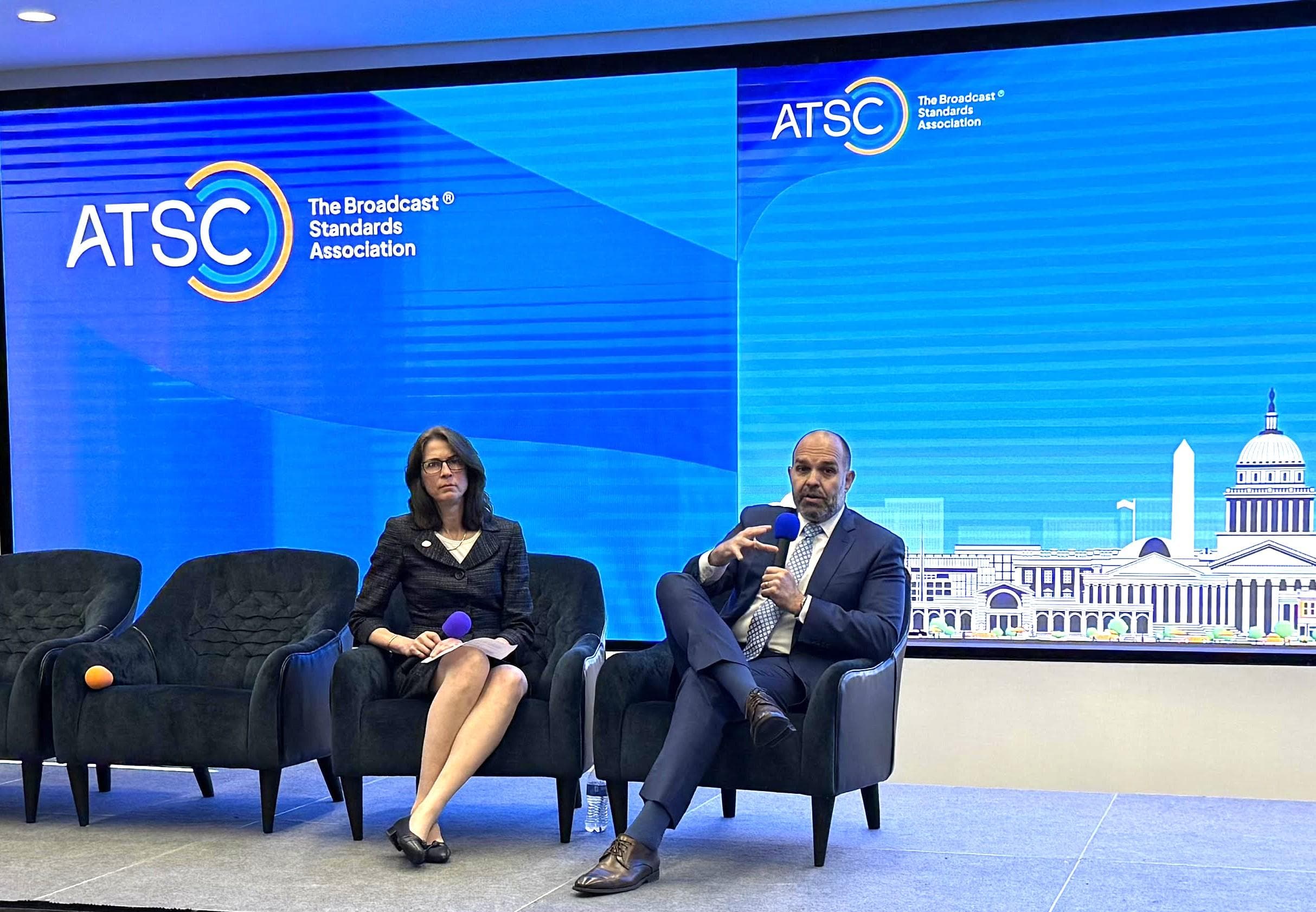
ATSC is urging the industry to look beyond traditional TV for ATSC 3.0 success, focusing on its data delivery capabilities for new revenue streams. The standard's potential for datacasting in automotive, education, and IoT could transform local TV stations into digital infrastructure providers. This strategic shift is vital for the long-term economic model of the broadcast industry.
Key Takeaways
- ATSC 3.0 signals are now available to 75% of U.S. households, moving past the initial launch phase.
- ATSC President Madeleine Noland emphasized data delivery as a significant opportunity for broadcasters.
- Datacasting services using ATSC 3.0 can serve sectors like automotive, education, emergency alerts, and IoT.
- Pilots have demonstrated secure remote education distribution and over-the-air firmware updates for vehicles.
Why It Matters
Broadcasters rolling out ATSC 3.0 are explicitly shifting focus from traditional linear TV to IP-based data delivery as a primary revenue driver. This strategic pivot aims to monetize the one-to-many broadcast spectrum through services like firmware updates and secure data distribution, positioning local stations as new infrastructure players. For the broader ecosystem, this creates new data transit options that could bypass internet congestion for specific use cases. Watch for the commercial deployment of these datacasting services and their measurable impact on broadcaster revenue streams.
Read full article at tvtechnology.com
Enjoy our coverage?
Add StreamingMeme as a preferred source on Google to see more of our streaming news at the top of your Search results.
Add as preferred source