
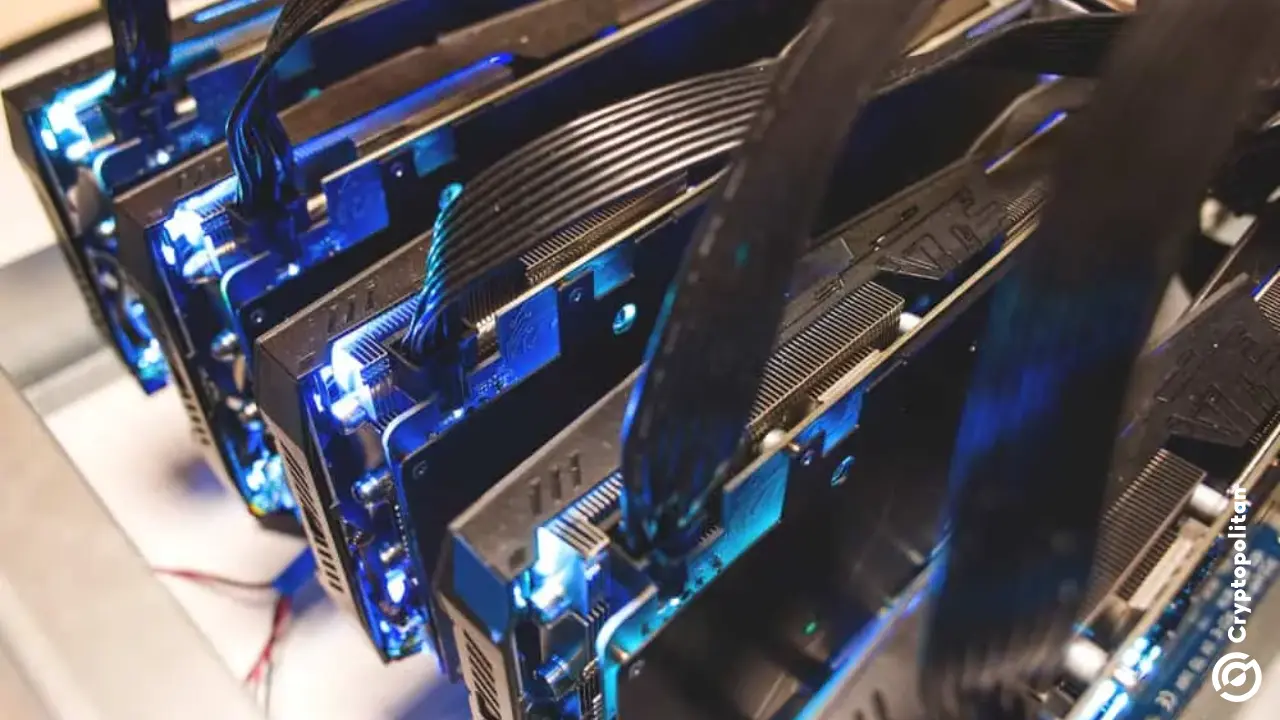
The Decentralized Physical Infrastructure (DePIN) sector is targeting the market for idle GPU compute power, leveraging decentralized marketplaces to offer lower-cost alternatives to traditional cloud providers for AI and media tasks. Web3 startup Odig has secured $33 million in funding led by A16Z to develop a GPU compute marketplace, aiming to centralize price discovery for this fragmented capacity.
The entry of venture-backed marketplaces like Odig signals a professionalization of the secondary GPU market, moving away from fragmented crypto-native niches toward enterprise-grade utility. For the streaming and media ecosystem, this provides a lower-cost alternative for compute-heavy tasks like 3D rendering and text-to-video processing, which were previously cost-prohibitive on traditional hyperscale clouds. As centralized players like Meta began offloading excess capacity in July 2026, the industry is shifting from a period of hardware hoarding to a liquid, price-competitive commodity market. Watch for Odig's integration with major inference engines to see if decentralized providers can meet the service-level agreements required by enterprise media workflows.
The GPU compute market is undergoing a structural realignment as massive infrastructure investments by 'frontier labs' outpace internal utilization. Per Bloomberg and CNBC, Meta launched its 'Meta Compute' business unit in July 2026 to resell excess AI capacity, a move that boosted its stock by 9% as investors recognized the shift from pure capital expenditure to revenue generation. This follows similar moves by xAI, which began renting out its Memphis Colossus supercluster capacity to competitors like Anthropic and Google in early 2026. The scale of these operations is unprecedented; per recent reporting, xAI's facility has reached 555,000 NVIDIA GPUs with a roadmap to 1 million.
Simultaneously, the decentralized sector is demonstrating legitimate commercial traction. According to on-chain data from June 2026, decentralized GPU protocols generated over $200 million in annualized revenue, largely from non-crypto-native companies seeking to avoid the 8-to-12 month wait times common at traditional hyperscalers. Akash Network reported a record $5 million in compute spending in Q1 2026, while Theta Network integrated its EdgeCloud platform with RapidAPI to streamline developer access to its 30,000-node distributed network.
Despite the price advantages—often 70% to 90% lower than AWS or Google Cloud—reliability remains the primary hurdle for widespread enterprise adoption. Per industry analysis in May 2026, while raw costs are lower on DePIN, the lack of enforceable service-level agreements (SLAs) and complex orchestration often requires startups to overprovision capacity. The funding for Odig represents a specific bet that these technical hurdles can be solved through improved market coordination and settlement layers, potentially bridging the gap between hobbyist decentralized networks and mission-critical enterprise AI and media applications.
Add StreamingMeme as a preferred source on Google to see more of our streaming news at the top of your Search results.
Add as preferred source