
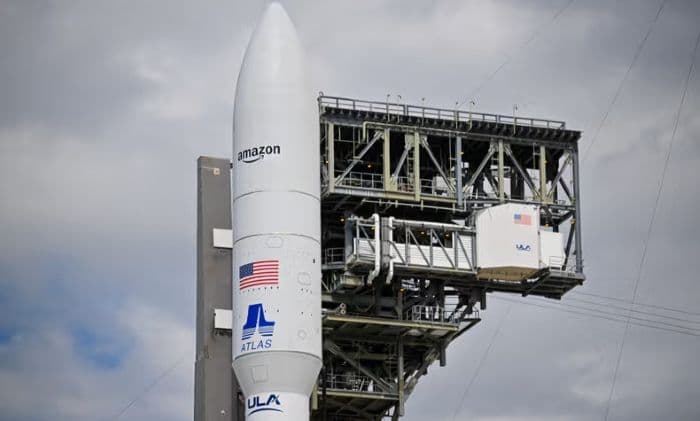
Amazon's Kenyan subsidiary, Amazon Kuiper Kenya Limited, has applied for a license to build its first African satellite gateway in Kenya, expanding its Project Kuiper low-Earth orbit (LEO) satellite network. This strategic move intensifies competition with Starlink in Africa and aims to accelerate broadband coverage by improving connection quality and lowering latency for services like video streaming. Amazon plans to deploy over 3,200 LEO satellites globally by 2028 and has already secured a Network Facilities Provider license in Kenya, with potential partnerships with telecommunication companies like Vodafone.
Amazon’s infrastructure push signals a pivot from retail broadband toward wholesale connectivity and mobile backhaul. By establishing a local gateway, Amazon can significantly reduce latency, making satellite a viable primary delivery mechanism for high-bitrate video and live streaming in underserved regions. This move forces a competitive response from Starlink, which recently introduced hardware financing and price adjustments in the Kenyan market to defend its 0.9% ISP market share. For the broader ecosystem, this validates Kenya as the critical interconnection point for East African data traffic. Watch for the Communications Authority of Kenya’s licensing decision, which would trigger the construction of a facility estimated at $15 million.
The rivalry between Kuiper and Starlink is intensifying as both providers expand their global operational footprints. As of early 2026, Starlink reached a milestone of 10.3 million subscribers across 164 countries, supported by a constellation of approximately 9,600 satellites in orbit, according to reporting from Kalkine in June 2026. In comparison, Amazon Leo—the rebranded commercial name for Project Kuiper—has deployed just over 200 satellites by early 2026 but recently secured an FCC extension allowing it more time to meet its deployment milestones through July 2029, as noted by Channel News in June 2026.
Capacity constraints have previously impacted growth in the Kenyan market, with Starlink forced to temporarily halt new residential registrations in late 2024 and early 2025 due to urban congestion. Per Space in Africa, Starlink recovered by early 2026 to reach a 14.4% quarterly growth rate despite intense competition from terrestrial market leaders like Safaricom, which maintains a 35.6% share of the fixed-internet segment. To bridge the hardware cost barrier—often cited by the GSMA as the primary hurdle to African mobile internet adoption—Starlink recently lowered its entry price with the 'Starlink Mini' kit at roughly $208, while Amazon is expected to use its Vodafone partnership to leverage existing cellular tower infrastructure for rural 4G and 5G distribution.
Add StreamingMeme as a preferred source on Google to see more of our streaming news at the top of your Search results.
Add as preferred source