

Agora integrates OpenAI Realtime API for sub-second conversational AI interactions
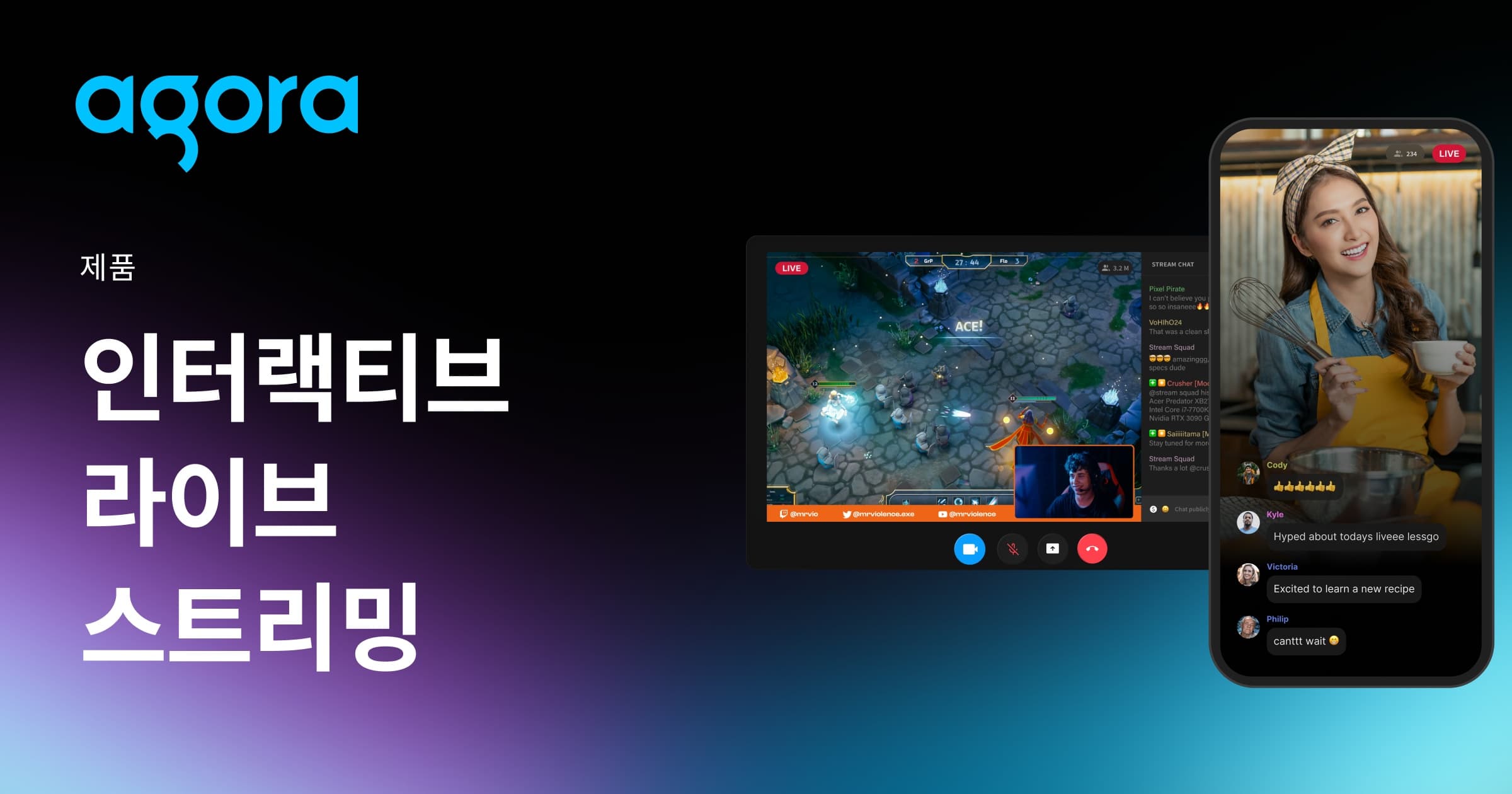
Agora provides interactive live streaming SDKs and APIs for ultra-low latency video, voice, and chat, featuring dual video streams, AI-powered audio enhancements, screen sharing, and cloud recording. The platform offers flexible SDKs, UI Kits, and an App Builder to help developers quickly launch real-time communication applications across various platforms, including mobile, web, and desktop.
Key Takeaways
- Integrated OpenAI Realtime API supports automated greetings and mixed-modality switching between voice and text inputs.
- SD-RTN architecture enables sub-second latency and handles over 60 billion minutes of monthly real-time interaction.
- AI Echo Cancellation and Noise Suppression filter out over 100 types of background noise for clear voice processing.
- Turnkey ConvoAI Device Kit allows direct embedding of voice AI into IoT hardware and connected toy chipsets.
- SDK supports cross-platform deployment on Android, iOS, Web, Unity, Flutter, and Unreal Engine.
Why It Matters
The move converts AI from a passive processing tool into a synchronous participant in live streams. By leveraging SD-RTN and OpenAI, Agora solves the 'robotic' latency issue that typically plagues voice-based LLM interactions, essential for high-stakes retail and gaming environments. This positions Agora as a primary infrastructure layer for the next wave of 'AI-as-a-host' applications, where virtual influencers and real-time customer service bots must engage without lag. Watch for the adoption rate in the live commerce sector, where integrated T-commerce and AI-led sales cycles are projected to drive significant revenue growth through 2026.
Additional Context
Additional context: The global interactive streaming market is on a steep growth trajectory, projected to reach over $38 billion in 2025 with a CAGR of 25% through 2034, per Precedence Research and Coherent Market Insights. This expansion is increasingly fueled by consumer demand for real-time engagement features like live polls, shoppable content, and AI-driven personalization. Industry analysts at Parks Associates noted in January 2025 that over 10% of sports viewers have already engaged with interactive features, and this figure is expected to rise as platforms further integrate real-time statistics and betting directly into video feeds.
In the competitive infrastructure landscape, Agora’s primary differentiator remains its proprietary Software-Defined Real-Time Network (SD-RTN). While competitors like Twilio and Daily.co offer managed WebRTC solutions for sub-second latency (typically around 200–400 ms), Agora has pivoted aggressively toward a 'Conversational AI Infrastructure' model. Per Seeking Alpha in February 2026, Agora achieved its fourth consecutive quarter of revenue growth, reaching $35.4 million in Q3 2025, largely driven by its shift from simple video APIs to specialized AI orchestration layers. This strategy involves unifying Automatic Speech Recognition (ASR) and Large Language Models (LLMs) into a single stack that can detect and handle verbal interruptions instantly.
Recent enterprise adoptions underscore this shift. In March 2026, Agora unveiled its Agent Studio, a no-code environment for deploying voice AI agents in sales and customer service. According to Gartner, conversational AI agents are expected to automate 70% of customer interactions by late 2027. Agora’s integration with OpenAI is a direct play for this market, providing the low-latency infrastructure required for AI agents to participate in digital town halls, virtual classrooms, and live shopping events at a global scale without the performance hurdles of legacy broadcast systems.
Read full article at prod.agora.io
Enjoy our coverage?
Add StreamingMeme as a preferred source on Google to see more of our streaming news at the top of your Search results.
Add as preferred source