

Agency Goodway Group Slashes Programmatic Fee Waste With Strategic SPO Pivot
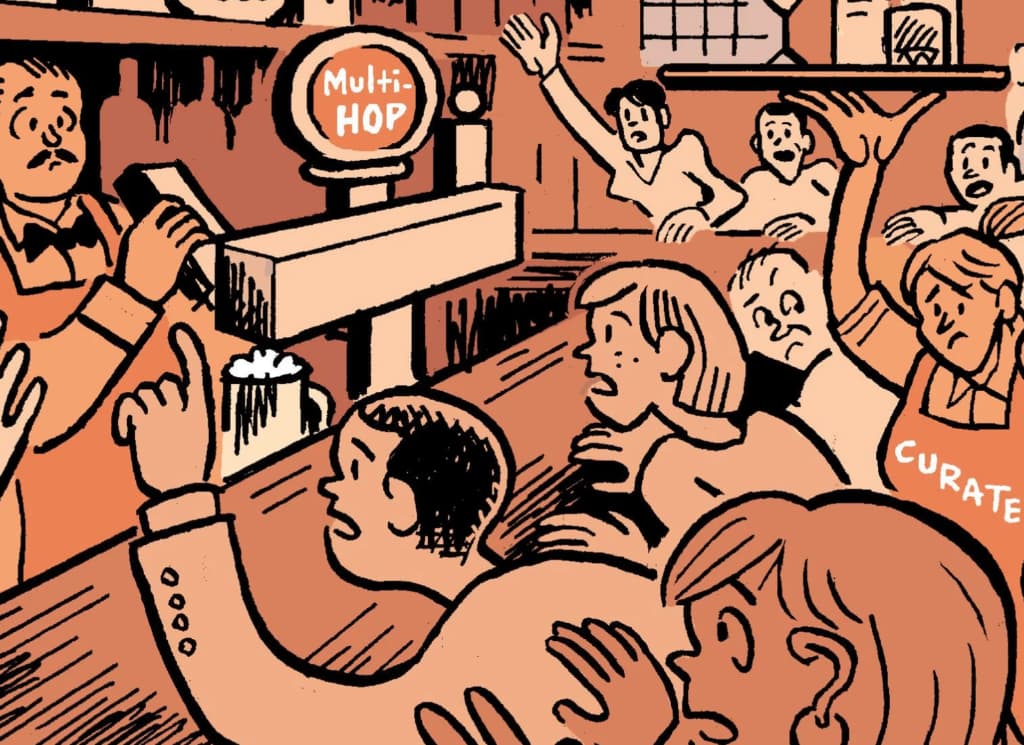
Independent agency Goodway Group reduced its programmatic SSP partners from around 20 to single digits through its Goodpath supply-path optimization (SPO) initiative, developed alongside Jounce Media. The strategic consolidation, which integrates direct paths like The Trade Desk's OpenPath and Yahoo DSP's Backstage, shifted 28% more ad spend to working media and lowered CTV, online video, and audio CPMs by up to 40%.
Key Takeaways
- Goodway Group cut SSP partners by over 50%, moving from approximately 20 vendors to single-digit strategic partnerships.
- The 'Goodpath' framework reduced non-exclusive inventory bidding from a 22% industry average to just 2%.
- CTV, online video, and audio CPMs dropped by up to 40% through direct-to-publisher and direct-to-buyer connections.
- Campaigns saw a 25%-30% lift in verified human traffic after eliminating unnecessary resellers and MFA inventory.
- Working media efficiency grew by 28%, with tech fees falling 10%-20% below standard DSP marketplace packages.
Why It Matters
The success of Goodway Group’s SPO initiative signals a decisive shift toward supply chain transparency that devalues the traditional 'middleman' SSP. By proving that agencies can maintain scale while bypassing redundant resellers, this model pressures remaining SSPs to justify their margins through specialized AI tools or unique publisher access rather than simple bid duplication. For the streaming ecosystem, this means CTV buyers are increasingly prioritizing quality-vetted, direct paths that maximize working media and improve ROAS. Watch for whether larger holding companies adopt similar internal curation lists to challenge legacy marketplace markups.
Additional Context
The push for supply-path optimization (SPO) comes amid ballooning concerns over programmatic inefficiency. Per the Association of National Advertisers (ANA) in August 2025, wasted programmatic ad spend reached $26.8 billion, a 34% increase from 2023 levels. This waste is largely attributed to hidden fees and redundant supply chain 'hops.' Jounce Media data from March 2026 further indicates that the typical publisher still sells through an average of 25 SSPs, with 32% of open-auction bid requests representing non-exclusive resold inventory. This redundancy creates significant processing fatigue and tech fee extraction without adding unique audience value.
In response, major Demand-Side Platforms (DSPs) have aggressively expanded direct-to-publisher products to bypass traditional SSP layers. Per Digiday in April 2026, The Trade Desk’s OpenPath now represents the majority of spend for several major publishers, frequently resulting in double-digit CPM growth by stripping out intermediaries. The Trade Desk also recently launched OpenAds to further streamline digital auctions, often offering temporary bid duplication as an incentive for early adoption. Similarly, Yahoo’s Backstage has matured into a core direct-buying route, reflecting a broader pivot where the industry’s largest buyers seek to own the connection to premium inventory.
Legacy SSPs are adapting by pivoting toward vertically integrated services or data-driven curation. Per ExchangeWire in May 2025, the market is seeing a 'partial convergence' where SSPs increasingly support first-party data and 'agentic' AI sales tools to maintain relevance. However, significant consolidation continues to define the sector; notably, Microsoft shuttered its Xandr Invest DSP in early 2026 to focus exclusively on its Monetize SSP and curation layers. This reflects a broader trend where only SSPs with high technical sophistication or exclusive content rights are surviving as agencies move toward the 'maximally direct' paths pioneered by Goodway Group.
Read full article at adexchanger.com
Enjoy our coverage?
Add StreamingMeme as a preferred source on Google to see more of our streaming news at the top of your Search results.
Add as preferred source