
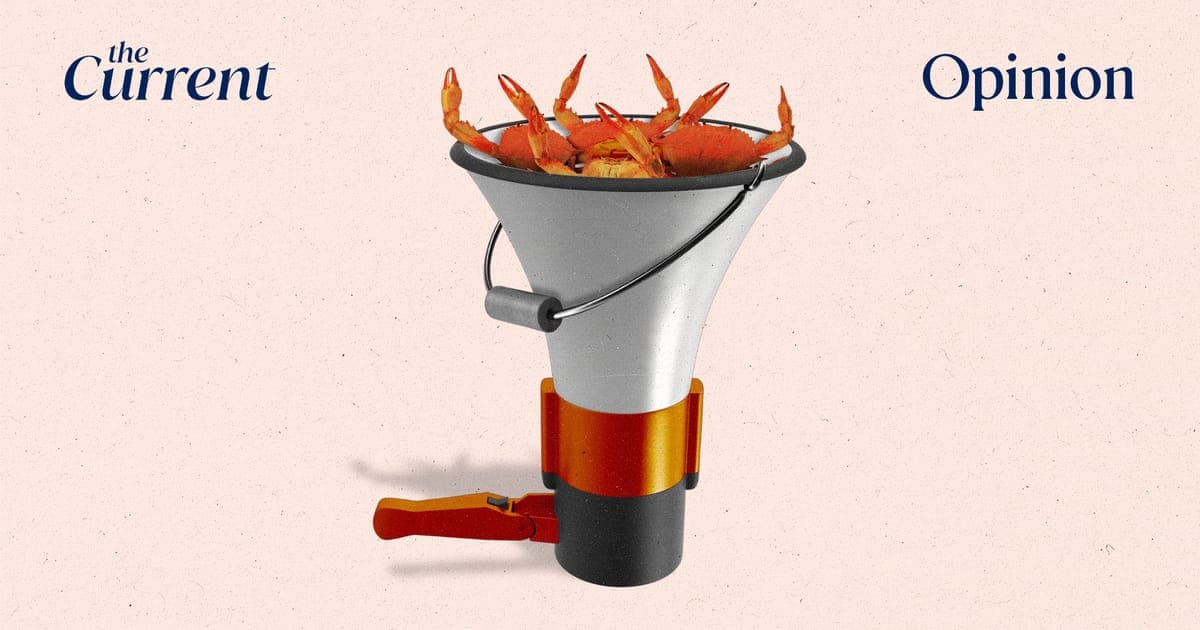
This op-ed argues that ad tech vendors often prioritize mutual recognition within the industry over visibility among the brands and CFOs they ultimately serve. The author suggests this self-insulation creates a disconnect between technical innovation and measurable business outcomes for the advertisers paying for the service.
This disconnect threatens the long-term viability of high-margin technical layers as procurement teams demand more direct evidence of ROI. For the streaming ecosystem, which is increasingly fragmented across identity and curation layers, vendors who fail to translate technical architecture into brand-side revenue may find themselves excluded from tightening budgets. The current focus on sideways partnerships facilitates industry consolidation but leaves a massive opening for companies that can effectively bridge the gap between complex AI-driven modeling and a CFO’s need for bottom-line growth. Watch for a shift toward 'brand-famous' marketing strategies from mid-market vendors in 2026.
The divide between technical sophistication and financial accountability is sharpening as CFOs exert more control over previously autonomous marketing budgets. Per research from Perion and Advertiser Perceptions in late 2025, only 21% of marketers say they are fully aligned with their CFOs regarding budgets and performance metrics. Despite 62% of finance chiefs viewing marketing as a revenue driver, a persistent lack of standardized, shared outcomes has led to increased scrutiny of the 'black-box' nature of many programmatic stacks.
Simultaneously, the industry is witnessing a 'rationalization' phase led by influential cartographers like LUMA Partners. Following the release of the AI LUMAscape in early 2026, founder Terence Kawaja noted that approximately 95% of current logos provide little additive value and are likely to disappear through failure or consolidation. This trend reflects a broader move toward Supply Path Elimination, where advertisers and large publishers are cutting out unnecessary intermediaries to reclaim margin and improve transparency.
By mid-2026, the emphasis has shifted from simply performing to being 'interrogatable.' According to four in five marketers fail to explain campaign results and Fortune, CMOs are now being held accountable for data architecture and AI governance as core business drivers. As AI-powered recommendation systems become the primary battleground for consumer attention, the vendors most likely to survive the current market contraction are those that can move beyond trade-show recognition to provide the architectural proof required by newly tech-literate C-suite executives.
Add StreamingMeme as a preferred source on Google to see more of our streaming news at the top of your Search results.
Add as preferred source