

CMAF benchmarks reveal major VOD storage savings and caching gains
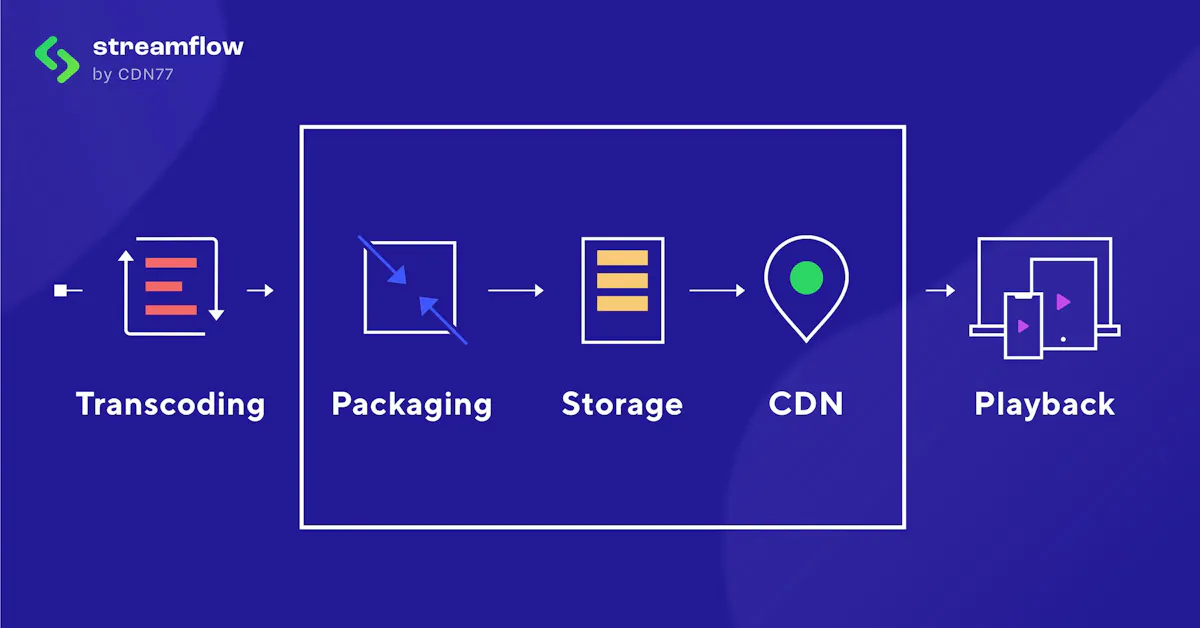
CDN77 outlines the technical and financial advantages of integrating the Common Media Application Format (CMAF) into VOD workflows, highlighting storage savings and enhanced CDN caching. The analysis also explores remaining roadblocks to wider adoption, specifically the device compatibility issues surrounding unified multi-DRM deployment via AES-128 CBC encryption.
Key Takeaways
- CMAF eliminates the 2x storage penalty associated with parallel HLS and MPEG-DASH static packaging.
- Unifying encrypted workflows via AES-128 CBC secures 90% of the Apple ecosystem and recent Android versions (7.1+).
- Streamlining to a single container format doubles CDN caching efficiency by preventing same-file duplication at the edge.
- Legacy hardware, including first-generation Chromecasts and early Roku devices, remains the primary barrier to universal "package once" deployment.
Why It Matters
The shift toward CMAF for VOD is no longer just about low latency; it is a critical optimization for bloated infrastructure costs in a margin-sensitive market. By consolidating around the fMP4 container and AES-128 CBC encryption, engineers can strip away the complexity of dynamic packaging and reduce origin load. However, the ecosystem remains fragmented due to legacy devices that lack ISOBMFF or CBC support. Strategists must evaluate if the financial gain from reduced storage outweighs the risk of alienating viewers on older Smart TVs and set-top boxes. Keep a close eye on Widevine and PlayReady v4 adoption rates, as these represent the final technical hurdles for truly unified multi-DRM delivery.
Additional Context
The push for CMAF maturation comes as the industry moves away from legacy plugins like Flash toward standardized HTTP delivery. Per Bitmovin, May 2026, over 90% of video engineering teams are now exploring AI-driven VOD optimizations, making the underlying efficiency of the container format even more critical for automated, high-scale content pipelines. While CMAF has carved out a dominant position in the 2-to-5-second latency spectrum, its Role in VOD is increasingly defined by its ability to support advanced features like Server-Side Ad Insertion (SSAI) and granular metadata tagging without the overhead of multiple packaging passes. Recent market data highlights the persistence of the compatibility gap mentioned by CDN77. Per Informa, May 2025, although 4K-capable devices now represent over 81% of global streaming shipments, millions of older high-definition 'sticks' and 'dongles' remain in active use. These legacy units often lack the firmware updates necessary to support modern encrypted fMP4 streams. Consequently, while major players like Netflix and YouTube have largely transitioned to unified formats, secondary Tier-2 services must still maintain legacy HLS/TS outputs to ensure reach in emerging markets where hardware replacement cycles are slower. Furthermore, the technical convergence of Apple and Microsoft through the CENC (Common Encryption) standard has simplified multi-DRM logic. Per Microsoft technical documentation, PlayReady 4.0 has fully operationalized AES-CBC support to match Apple's FairPlay requirements. This alignment, finalized in the 2024-2025 cycle, allows a single encrypted asset to serve Widevine, PlayReady, and FairPlay clients simultaneously. According to MwareTV, March 2026, this architecture can reduce overall content storage costs by up to 66% compared to previous system-specific encryption workflows.
Read full article at cdn77.com