

YouTube enforces mandatory AI transparency via automated C2PA metadata detection
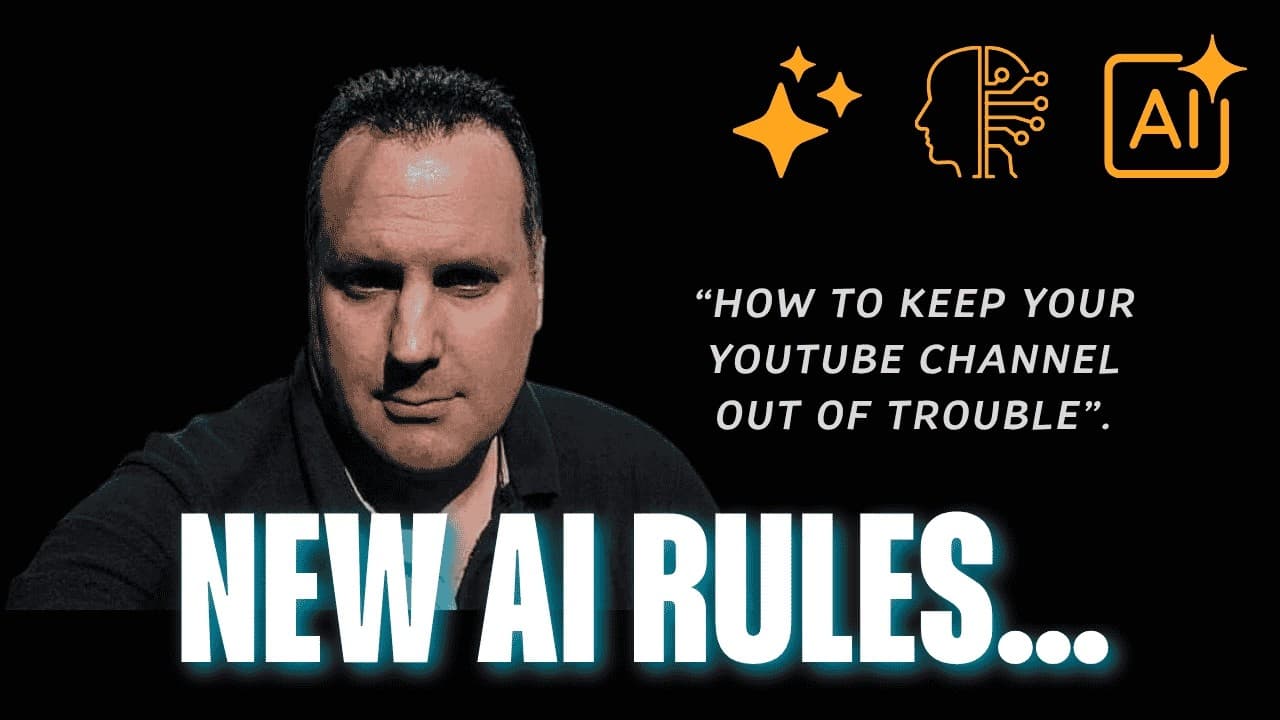
YouTube has implemented mandatory transparency requirements for creators to label realistic AI-generated or altered content. The platform now utilizes automated C2PA metadata detection and manual reporting to enforce these rules, with non-compliance potentially leading to video removal and suspension from the YouTube Partner Program.
Key Takeaways
- Mandatory labeling is required for any AI-generated video that could be realistically mistaken for real people, places, or events.
- Automated detection systems now scan for embedded C2PA metadata tags to flag synthetic media even without creator self-disclosure.
- Labels are permanent and irremovable for content created with YouTube's proprietary tools, such as Dream Screen or Veo.
- Non-compliance risks immediate video removal or suspension from the YouTube Partner Program and its associated ad revenue.
Why It Matters
The move from voluntary disclosure to algorithmic enforcement establishes a non-negotiable standard for transparency in the creator economy. For the broader ecosystem, this signals a shift where platform-level detection—rather than creator honesty—becomes the primary regulatory tool for managing synthetic media at scale. The integration of C2PA standards suggests that technical provenance will soon be a prerequisite for distribution on major networks. Stakeholders should monitor the accuracy of these automated flags, as false positives could trigger a flood of creator appeals and impact monetization eligibility for high-production-value channels.
Additional Context
The transition to automated enforcement follows a series of incremental policy updates designed to align with emerging global regulations. Per ppc.land (May 2026), these updates arrived just months before the transparency requirements of the EU AI Act took effect in August 2026. YouTube’s increased vigilance is partly driven by a reported 30% rise in account suspensions across Google’s ecosystem in 2025 as the company tightened its misrepresentation framework to combat 'AI slop' and repetitive content farms, according to reporting from Rulevia (October 2025).
Beyond user-generated content, Google as a whole has standardized these transparency requirements across its entire stack. Per Forbes (September 2023) and Auditsocials (March 2026), all Google Ads utilizing AI-generated imagery or voices must include a conspicuous 'AI Generated' label. This enforcement is absolute for political advertising and deepfake likenesses, which are prohibited platform-wide. This coordinated rollout ensures that both creators and advertisers face identical consequences—including immediate disapproval and loss of monetization—if realistic synthetic media is not correctly attributed.
Technically, YouTube's enforcement now leans heavily on cryptographic provenance. Per Daily.dev (May 2026), the platform uses SynthID watermarking and C2PA metadata to verify the origin of video files. This creates a layered defense: creator self-reporting acts as the first filter, while technical signals serve as an irremovable second layer. Industry observers note that while these measures target deception, they are not intended to demote AI-assisted content that adds significant human commentary—a distinction critical for maintaining the platform's relationship with high-profile creators who use AI for production efficiency.
Read full article at youtube.com
Enjoy our coverage?
Add StreamingMeme as a preferred source on Google to see more of our streaming news at the top of your Search results.
Add as preferred source