
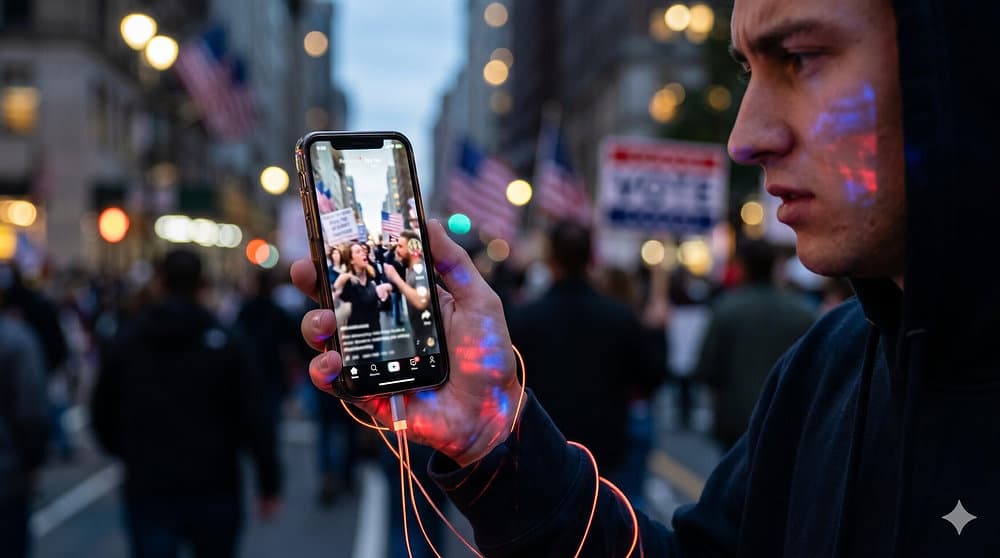
Research findings from NYU Abu Dhabi and Harvard Misinformation Review studies indicate that TikTok's recommendation algorithm systematically amplified conservative political content and prioritized toxic, negative partisanship content during the 2024 U.S. presidential election, regardless of user preference. The studies found that this skew was not due to organic engagement but rather the algorithm's internal prioritization, leading to increased user interaction via engineered outrage. This highlights significant challenges for platform moderation, advocating for multimodal analysis to combat algorithmic evasion.
The immediate implication is that TikTok’s election feed was not just reflecting user preference; it was systematically steering exposure toward conservative and negative-partisan content, including across Democratic-seeded accounts. That matters for the wider streaming and video ecosystem because the Harvard study shows the reward loop is engagement-driven: partisan videos made up 77% of the sample, and toxic clips on topics like immigration and election fraud drove more interactions. The clearest signal to watch next is whether platforms adopt multimodal moderation, since the study says text-only analysis missed 56.2% more toxic content than audio-plus-visual review.
Add StreamingMeme as a preferred source on Google to see more of our streaming news at the top of your Search results.
Add as preferred source