

Valve taps AI-powered FSR 4 to bolster Steam Machine graphics
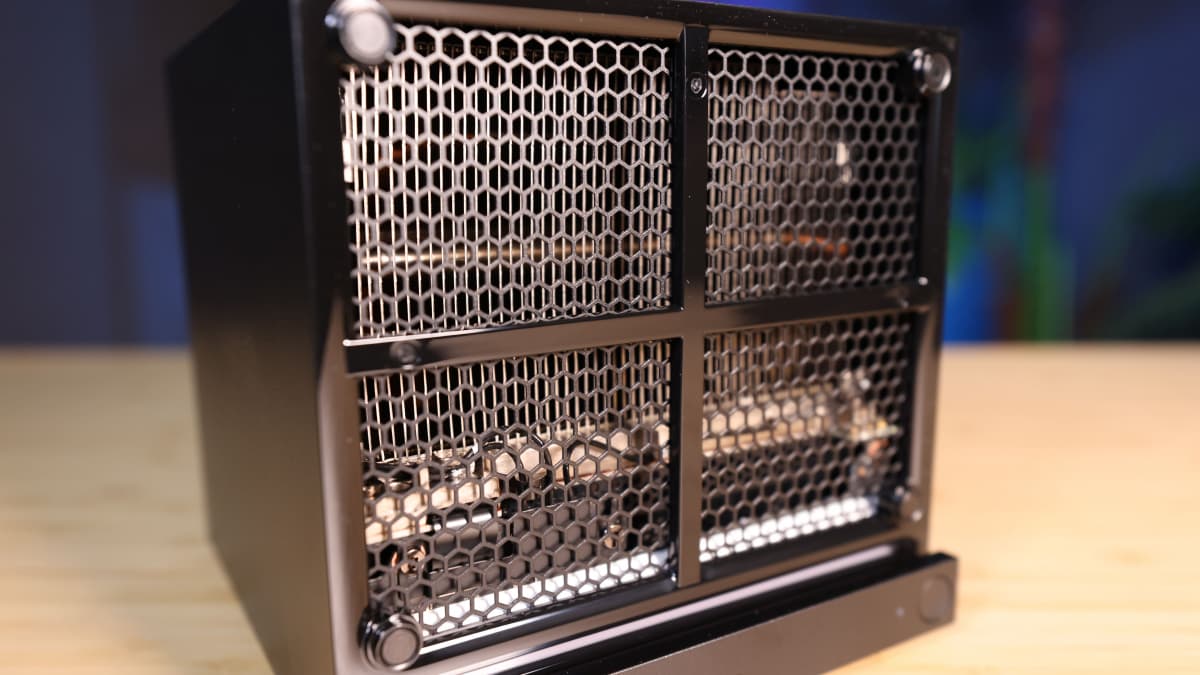
Valve has confirmed a collaboration with AMD to integrate FSR 4 upscaling technology into its Steam Machine hardware. The update aims to improve image fidelity and mitigate VRAM limitations alongside forthcoming improvements to ray tracing performance and memory management.
Key Takeaways
- Official FSR 4 support will bring machine learning-driven reconstruction to improve temporal stability and motion detail.
- Hardware is architected for 1080p and 1440p native rendering with upscaling rather than native 4K output.
- New VRAM management logic will aggressively offload non-game data, including the Steam Overlay, into system memory.
- An upcoming driver update is scheduled to specifically enhance ray tracing performance on the RDNA 3-based system.
Why It Matters
Valve is leaning on software-side innovation to compensate for hardware constraints, specifically the 8GB VRAM buffer that has faced early criticism. By implementing FSR 4, Valve provides a concrete answer to the 'VRAM panic' by offloading visual fidelity to AI-driven upscaling. This move tightens the integration between SteamOS and AMD's silicon, signaling a shift toward 'soft consoles' where post-launch software updates significantly alter the hardware's performance ceiling. For the broader industry, it reinforces that machine learning is now a mandatory requirement for mid-tier hardware to stay relevant in an era of ballooning asset sizes and ray-traced lighting.
Additional Context
The 2026 Steam Machine launch has been characterized by market friction, with retail prices starting at $1,049 for the 512GB model, according to reports from CNET and Geekwire in June 2026. This pricing represents a significant departure from the subsidized model of the Steam Deck, a shift Valve attributed to a global component crisis and rising costs for RAM and SSD units. While the system features 16GB of system RAM, the 8GB of dedicated GDDR6 VRAM has became a focal point for critics who argue it may bottleneck high-fidelity titles at launch.
Simultaneous with Valve's announcement, AMD has accelerated its own software rollout. Per TechSpot and Tom’s Hardware in June 2026, AMD released its Adrenalin 26.6.2 driver earlier than expected, bringing FSR 4.1 support to RDNA 3-based desktop GPUs. This version utilizes INT8 machine learning models specifically optimized for older architectures, which aligns with the RDNA 3 internals found in the Steam Machine. AMD’s Jack Huynh confirmed the company is also developing 'lightweight' models to ensure these AI features run efficiently on bandwidth-constrained APUs and mobile devices.
Beyond hardware-specific updates, Valve is expanding the SteamOS ecosystem. In June 2026, Pierre-Loup Griffais indicated that SteamOS 3.8 would eventually support home-built 'Steam Machine-dupes' with wider hardware compatibility, including nascent support for Nvidia GPUs. This strategy, combined with the expansion of the 'Verified' program to include home consoles, suggests Valve is positioning SteamOS as a universal living-room operating system capable of bridging the gap between fixed-spec consoles and modular PC hardware.
Read full article at pcgameshardware.de
Enjoy our coverage?
Add StreamingMeme as a preferred source on Google to see more of our streaming news at the top of your Search results.
Add as preferred source