

UK to ban under-16s from major social media platforms by 2027
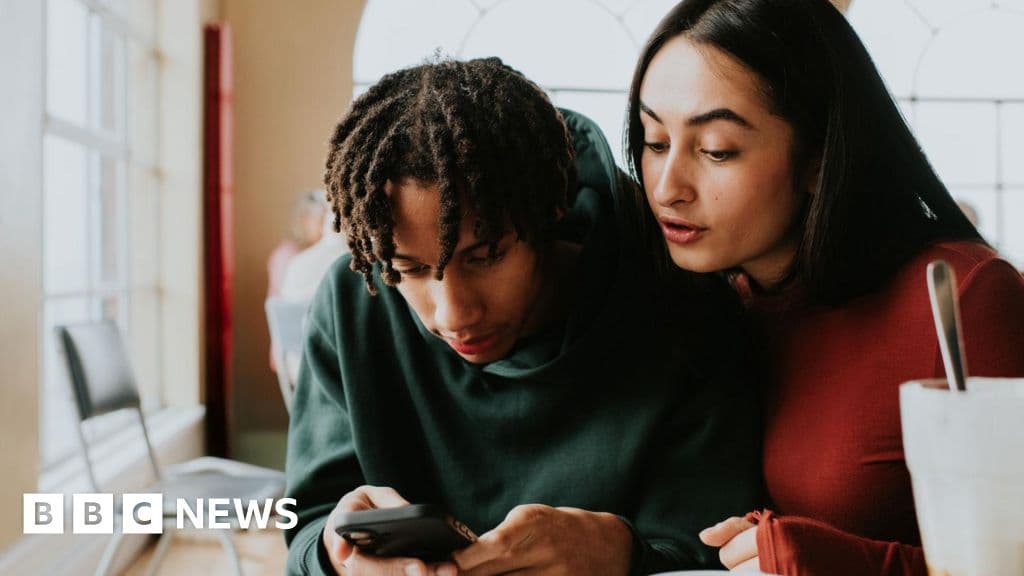
The UK government announced a ban on social media access for under-16s from early 2027, affecting platforms like TikTok, YouTube, Instagram, Facebook, and X. Tech companies, including Meta and YouTube, expressed concerns that the ban could drive children to unregulated online spaces. The policy includes restrictions on features like livestreaming and contact with strangers for under-16s, with age verification measures being explored.
Key Takeaways
- Regulation targeting TikTok, Snapchat, YouTube, and Meta apps is expected to pass by Christmas 2026 with enforcement by spring 2027.
- Exemptions include YouTube Kids, WhatsApp, Signal, and Roblox, though the latter faces new restrictions on stranger communication.
- Age verification measures, including ID uploads or credit card checks, will likely be a prerequisite for all new accounts and some existing ones.
- Functionality restrictions such as overnight curfews and infinite scroll breaks are being explored for 16- and 17-year-olds.
- A mandatory minimum age of 18 will be enforced for 'romantic companion' AI chatbots and sexualized AI functionalities.
Why It Matters
The UK’s 'Australia-plus' model represents a significant escalation in global tech regulation, shifting the burden from content moderation to strict identity-based access control. For video-heavy platforms like YouTube and TikTok, this creates a major disruption to audience development pipelines and ad impressions in a key market. The inclusion of functionality bans like infinite scroll for older teens suggests regulators are moving beyond safety into the technical architecture of engagement. Success hinges on Ofcom’s upcoming October 2026 study on verification efficacy; if tech is easily bypassed via VPNs, the result may simply be a mass migration of young audiences to unmonitored fringe platforms.
Additional Context
The UK's initiative mirrors a growing international movement toward digital age-gating. Per The Guardian, June 2026, the policy draws heavily on Australia’s Online Safety Amendment, which took effect in December 2025 as the world's first nationwide social media ban for under-16s. Early data from the Australian experiment suggests significant enforcement challenges; a March 2026 Molly Rose Foundation poll found that 61% of restricted Australian teens still maintained active accounts seven months post-implementation, often by utilizing VPNs or false age declarations.
In the United States, similar state-level efforts are currently entangled in the courts. According to legal reporting from early 2026, Florida’s HB 3—which restricts social media for children under 14 and requires parental consent for 15-year-olds—is being enforced following a stay from the Eleventh Circuit Court of Appeals, despite a prior federal judge ruling it likely unconstitutional under the First Amendment. Meanwhile, California’s AB 1709 is set to require operating system providers to establish 'age brackets' for users by January 2027, potentially shifting verification burdens to Apple and Google at the device level.
Technically, these bans are driving a surge in the age-assurance sector. Per BleeppingComputer, June 2026, the UK government is expected to mandate 'Highly Effective Age Assurance' (HEAA), which typically involves facial biometric scans or government ID verification. Since July 2025, adult content sites in the UK have already been required to use these methods under the broader Online Safety Act. Security analysts have expressed concern over the centralization of biometric data in third-party verification intermediaries, noting that such databases create high-value targets for data breaches.
Read full article at bbc.co.uk
Enjoy our coverage?
Add StreamingMeme as a preferred source on Google to see more of our streaming news at the top of your Search results.
Add as preferred source