
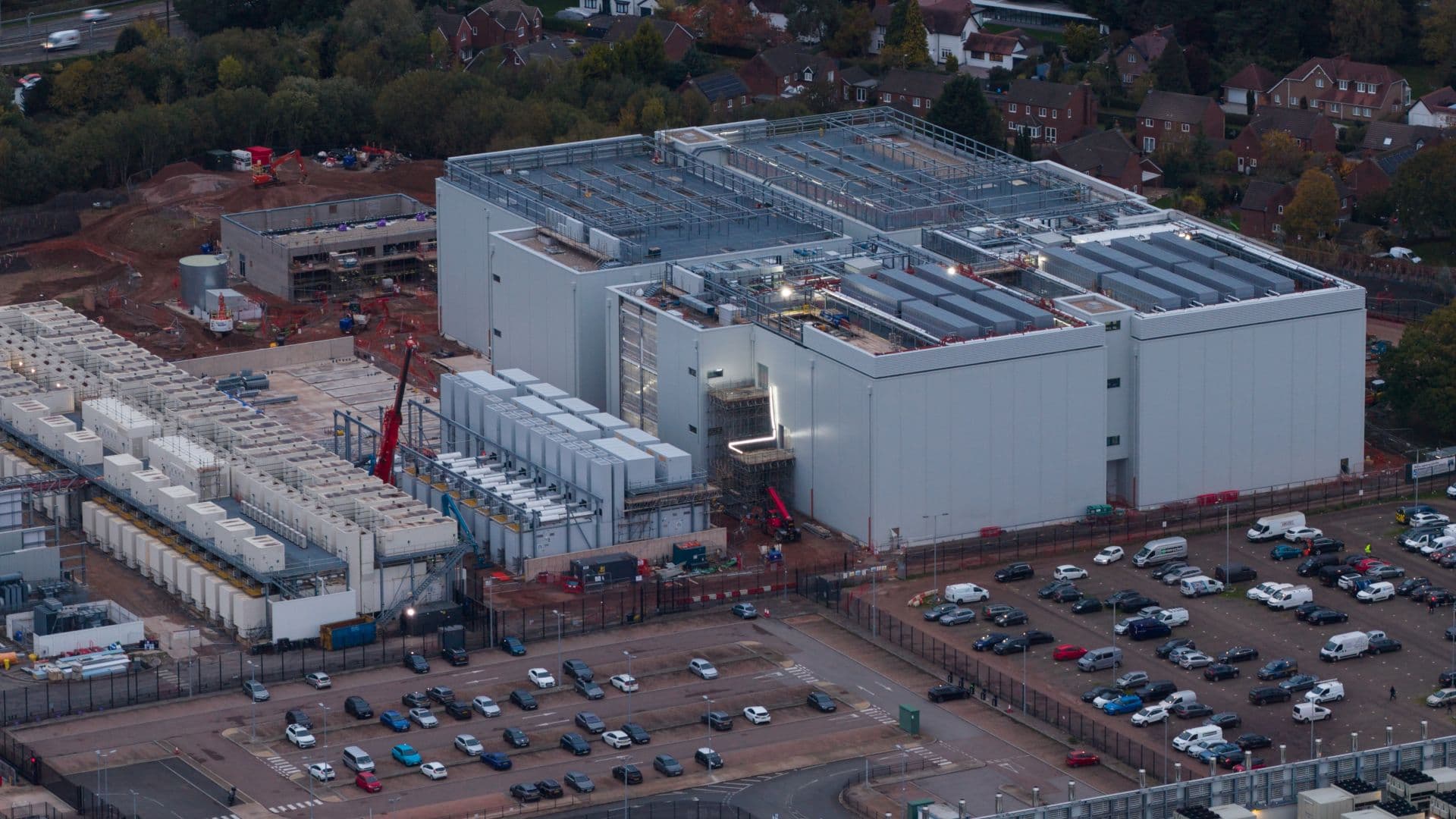
The UK government has classified data centers as critical national infrastructure, allowing developers to bypass local planning authorities for projects deemed of national importance. This regulatory shift aims to accelerate the deployment of cloud and AI infrastructure by streamlining the approval process through central government oversight.
This policy shift removes a primary bottleneck for scaling the compute-heavy infrastructure required for high-bitrate video delivery and real-time AI processing. By bypassing local NIMBY opposition and fragmented regional regulations, the UK is positioning itself to handle the massive localized power and cooling demands of next-gen streaming workloads. However, centralizing control may deepen friction with local communities over grid stability and environmental impacts. For the streaming ecosystem, this means faster lead times for regional edge deployments and hyperscale expansion. Watch for the publication of specific 'national significance' eligibility criteria to see which tier of providers benefits most.
The regulatory overhaul follows a massive surge in private sector capital directed at British digital infrastructure. Per The Guardian and CIODive (September 2025), Microsoft pledged $30 billion over four years for UK AI and cloud facilities, while Amazon committed approximately $10.4 billion through 2028 to expand AWS capacity. Google also recently opened a £5 billion data center in Waltham Cross to support its European research and engineering initiatives. These investments are scaling against a backdrop of tightening supply; Cushman & Wakefield reported in late 2024 that colocation vacancy rates in London plummeted from 9.0% to 5.7% as demand outpaced new construction.
Energy constraints remain the primary friction point for this expansion. According to UK Parliament records from 2026, data centers currently consume roughly 2.5% of the country's electricity, a figure expected to quadruple by 2030. To mitigate grid strain, several operators are exploring small modular reactors (SMRs) and direct power purchase agreements (PPAs) for renewable energy. While a November 2025 YouGov survey indicated that 69% of UK adults broadly support data center construction, the Local Government Association cautioned in July 2026 that stripping local oversight risks uncoordinated growth that could conflict with regional climate targets and water management plans.
Add StreamingMeme as a preferred source on Google to see more of our streaming news at the top of your Search results.
Add as preferred source