

Topaz Labs standardizes AI video enhancement classes for nonfiction productions
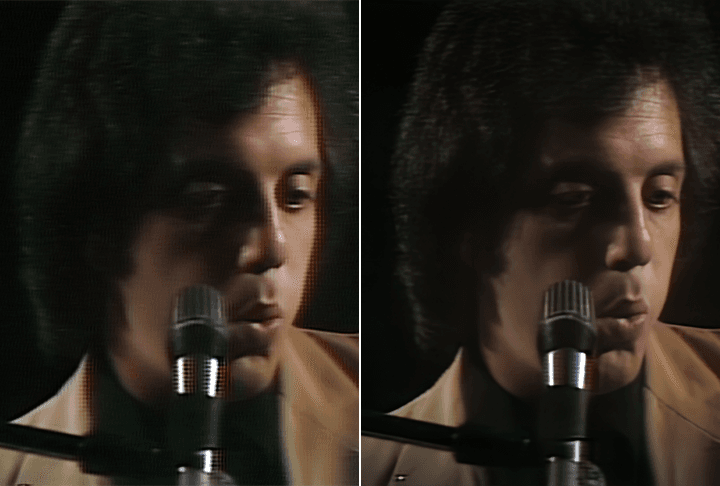
Topaz Labs has published a technical framework for classifying AI video enhancement models, distinguishing between precision models intended for restoration and generative models meant for reconstruction. The white paper outlines how editorial and production teams can select appropriate models to balance quality targets with requirements for source fidelity and security.
Key Takeaways
- Precision models like Proteus and Iris optimize existing pixels without adding new visual characteristics to the source
- Generative models including the Starlight family reconstruct missing detail from degraded footage through semantic inference
- Local on-premises processing is prioritized for precision workflows to meet security and compliance requirements
- Optional Face Recovery features use localized diffusion for clarity, requiring human editorial review for nonfiction use
Why It Matters
The framework establishes a necessary technical standard for the documentary and news sectors, where AI use is under heavy scrutiny for potential fabrication. By formalizing the line between restoration and reconstruction, Topaz addresses the central tension of modern delivery: the need for high-resolution output from low-resolution archival sources without compromising journalistic integrity. This move likely sets a precedent for how software providers must label model behaviors to remain viable in the highly regulated nonfiction market. Watch for major streamers to integrate these model classifications into their technical deliverable requirements for unscripted content.
Additional Context
The push for AI standardization in nonfiction follows broader industry efforts to maintain viewer trust as synthetic media improves. In late 2024, the Archival Producers Alliance (APA) introduced guidelines encouraging transparent disclosure of AI-generated or enhanced imagery in documentaries, a move later mirrored by PBS in its 2025 editorial standards. These guidelines emphasize that while AI can rescue unuseable footage, human oversight remains critical to ensuring that enhancements do not alter historical truth, particularly in sensitive archival contexts.
Simultaneously, the technical barrier for high-end video enhancement is lowering due to hardware optimizations. Per Topaz Labs, their new NeuroStream technology allows complex models to run locally with a 95% reduction in VRAM usage, enabling professional-grade processing on consumer-grade NVIDIA RTX and Apple Silicon chips. This shift toward local execution aligns with the privacy concerns of major news organizations and studios that are often restricted from uploading sensitive raw assets to the cloud for processing.
Competitive pressure is also mounting from established editing suites. In early 2026, Adobe integrated new AI-powered object masking and tracking into Premiere, while Nikon's acquisition of RED highlights a broader trend of merging high-resolution hardware with sophisticated image processing. According to Futurum Group reporting in June 2026, over 50% of creative organizations have already adopted AI for workflow orchestration, making granular control over model transparency a top requirement for enterprise software buyers.
Read full article at topazlabs.com
Enjoy our coverage?
Add StreamingMeme as a preferred source on Google to see more of our streaming news at the top of your Search results.
Add as preferred source