

Thailand's NBTC Maps Digital TV Future Post-2029 Amid Industry Pressure
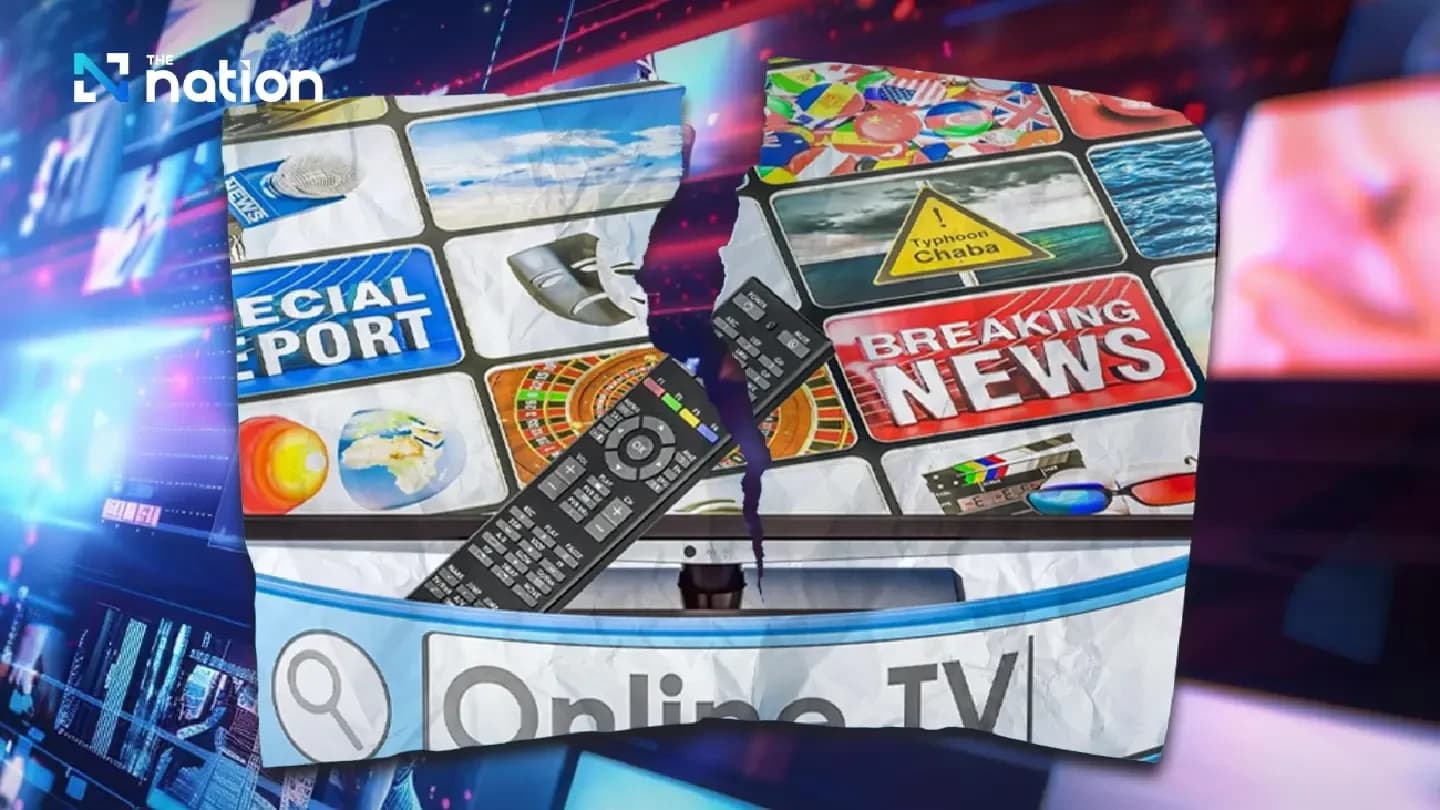
Thailand's National Broadcasting and Telecommunications Commission (NBTC) is developing a roadmap for the future of digital TV post-2029, addressing expiring licenses and the regulation of OTT services. The plan focuses on adapting broadcasting to a multi-platform environment, promoting fair competition, and strengthening broadcasting infrastructure amidst evolving viewing habits. This initiative follows criticism regarding the NBTC's pace in providing certainty for the industry.
Key Takeaways
- Current digital TV licenses in Thailand expire in 2029, prompting the NBTC to develop a new roadmap.
- The draft master plan focuses on four strategies: digital transformation, consumer protection, flexible regulation, and promoting the creative economy.
- A key issue is the regulation of OTT services to ensure fairer competition between new digital platforms and traditional broadcasters.
- An open appeal by eight media organizations, including the Digital Television Association (Thailand), urged the NBTC to accelerate its master plan and roadmap, setting a June 30 deadline.
Why It Matters
The NBTC's forthcoming roadmap will determine the operational framework for Thailand's broadcast and digital media industries for the next decade, directly impacting existing operators' business models and opportunities for new market entrants. This regulatory shift reflects a global trend of integrating traditional broadcasting with evolving digital consumption patterns, particularly in how advertising revenue and audience engagement are distributed across platforms. Stakeholders will be watching for concrete decisions on license renewals, potential new auctions, and the specific regulatory mechanisms adopted for OTT services as the June 30 deadline approaches.
Additional Context
The debate in Thailand around digital TV's future and OTT regulation mirrors broader challenges faced by regulators globally. For instance, the European Union has been grappling with similar issues, with legislative efforts like the Digital Services Act (DSA) and Digital Markets Act (DMA) aiming to create a more equitable digital ecosystem and regulate large online platforms (per European Commission, 2022). In the US, the FCC recently renewed its focus on re-evaluating media ownership rules, acknowledging the shift from traditional broadcast to digital consumption habits and its implications for local news and competition (per Variety, April 2024). Meanwhile, Southeast Asian nations are also adapting. Singapore's Infocomm Media Development Authority (IMDA) has been actively reviewing its regulatory framework to foster innovation while ensuring fair competition and consumer protection in the digital media space (per The Straits Times, November 2023). These parallel efforts underscore the universal nature of the challenges Thailand's NBTC is addressing, particularly in balancing innovation, competition, and consumer welfare in a rapidly evolving multi-platform media landscape.
Read full article at nationthailand.com
Enjoy our coverage?
Add StreamingMeme as a preferred source on Google to see more of our streaming news at the top of your Search results.
Add as preferred source