

Smart TV Apps Covertly Enroll Devices in AI Web-Scraping Proxy Networks
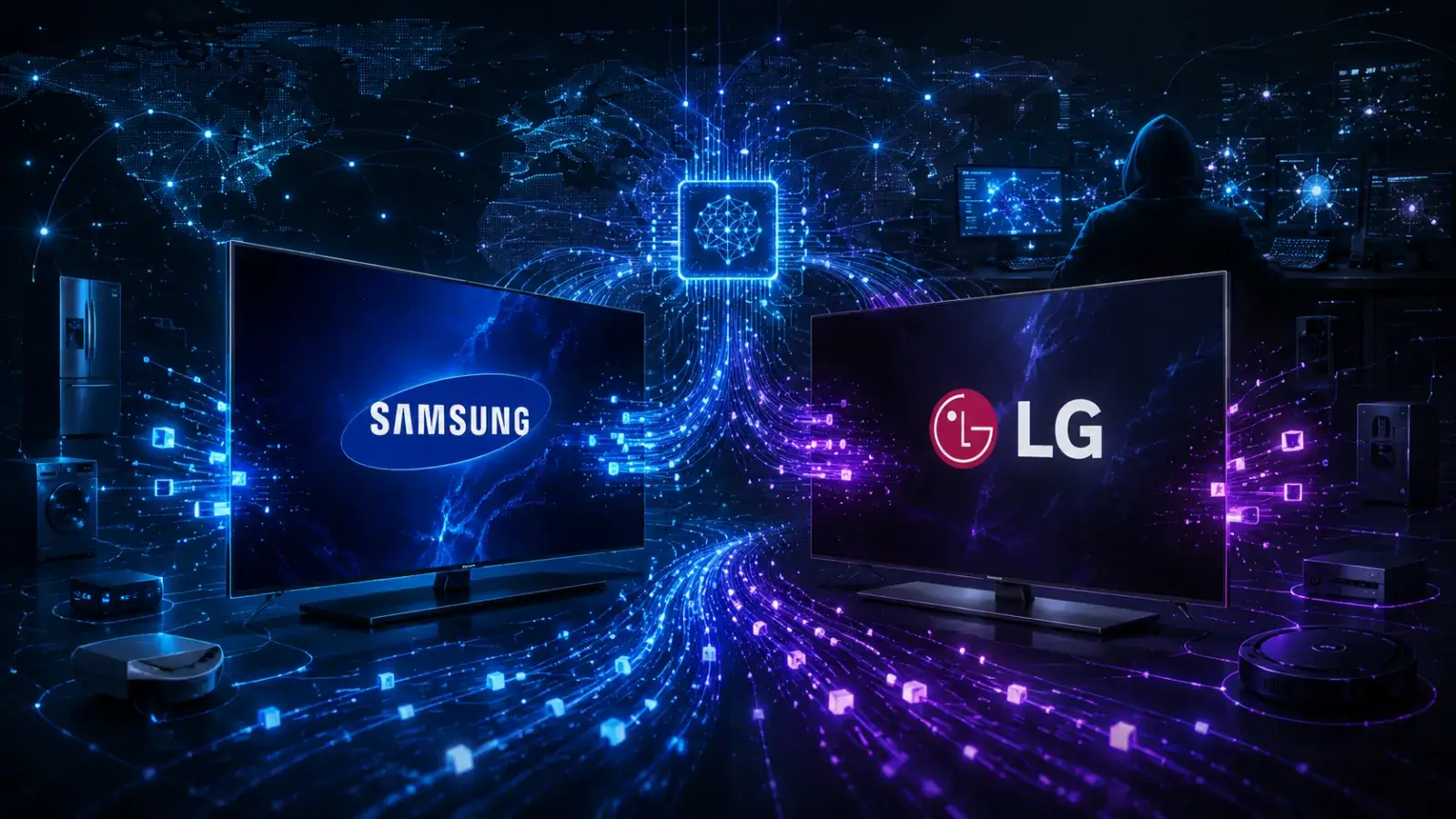
Free smart TV apps from vendors such as Samsung, LG, and Roku are reportedly utilizing Bright Data's SDK to covertly enroll users' devices into a commercial residential proxy network. This network is then used to route AI web-scraping traffic for Bright Data's paying customers, leveraging the smart TVs' consistent power and internet connection. An investigation by Include Security details how this occurs with minimal user awareness, bypassing common security measures.
Key Takeaways
- Bright Data's SDK enables free smart TV apps to use devices as exit nodes for commercial residential proxy networks.
- Platforms implicated include Samsung, LG, and Roku, with partner apps like Petflix (Roku) providing minimal user disclosure.
- Config files show apps can allocate up to 200 GB monthly bandwidth for proxy traffic, despite 'occasional use' claims.
- Smart TVs are targeted due to their 'always on' status, high-speed Wi-Fi, and lack of active user monitoring compared to mobile devices.
- The SDK uses inspection bypasses, including Apple's CFHTTPMessage and NWConnection, to circumvent VPNs and app-sec instrumentation.
Why It Matters
The re-purposing of consumer smart TVs for commercial web scraping without clear consent represents a significant data ethics and security challenge for the streaming ecosystem. This practice exploits the always-on nature and under-monitored status of smart TVs, creating a hidden infrastructure for data collection benefitting AI model training. Industry players, including platform providers and app developers, will face increased scrutiny over third-party SDK integrations and user consent mechanisms as regulators and consumers push for greater transparency and control over device resource utilization.
Additional Context
The practice of embedding SDKs in smart TV applications to create proxy networks has drawn increasing attention in 2026. A February 2026 report in The Verge highlighted that web data aggregator Bright Data has been pitching streaming service operators with an alternative monetization approach: integrating their Bright SDK into TV apps on Samsung's Tizen and LG's webOS. This enables the TV to become part of a global proxy network for web scraping, with Bright Data claiming to operate 150 million such residential proxies globally (The Verge, Feb 2026). The company states its network is consent-based, with users opting in for fewer ads. However, the exact impact on user bandwidth often goes underexplained, with one app, Petflix, noted to have a default monthly Wi-Fi bandwidth budget of 200 GB, significantly higher than implied 'occasional' usage (Technadu, June 2026). Google has begun restricting proxy SDKs running in the background, requiring that such services be the primary, user-facing purpose of an app. Amazon has also explicitly banned 'apps that facilitate proxy services to third parties,' and Roku has barred developers from using Bright SDK and similar services (UBOS, Feb 2026). These platform policy changes have reportedly led Bright Data to shift focus from Roku, Android TV, and Fire TV, though Samsung's Tizen OS and LG's webOS are still listed as supported platforms (The Verge, Feb 2026). Regulators in the EU and US are also reportedly drafting guidance on 'proxy-as-a-service' models, with the EU's Digital Services Act likely to require explicit consent and transparent audit trails for devices acting as data conduits (UBOS, Feb 2026). The Federal Trade Commission (FTC) in the US is exploring rulemaking around 'ambient data collection' that could cover these SDK practices.
Read full article at gbhackers.com
Enjoy our coverage?
Add StreamingMeme as a preferred source on Google to see more of our streaming news at the top of your Search results.
Add as preferred source