
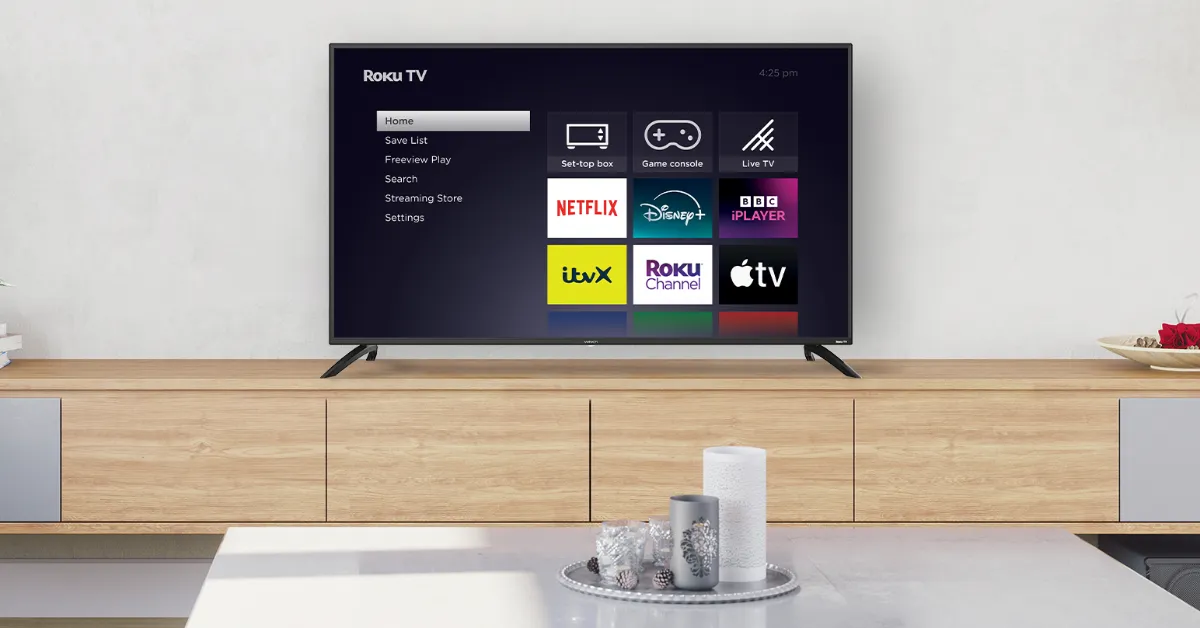
Roku has increased the prices of its streaming hardware devices, including the Roku Ultra and Streaming Stick, citing a global shortage of memory and chip components driven by data center demand for artificial intelligence. The price adjustments follow similar moves by other consumer electronics makers such as Apple and Microsoft in response to supply chain constraints.
The price hike marks a strategic retreat for Roku, which previously signaled that its low-power hardware requirements would shield it from high-end chip shortages. By moving the Ultra to a $150 price point, Roku nears the premium territory of the Apple TV, potentially eroding its primary competitive moat: affordability. As manufacturers like Samsung and LG continue to dominate the smart TV OS market (with Tizen holding a 23% US share per Parks Associates), Roku’s reliance on standalone hardware sales faces higher friction. Industry observers should track whether this pricing shift impacts Roku's 43% share of Q1 2026 streaming player purchases as hardware replacement cycles lengthen.
The supply chain crunch impacting Roku is part of a broader structural shift in the semiconductor industry. Per Gartner (July 2026), memory prices surged between 50% and 200% in the first half of the year as fabrication lines were repurposed for data center demand. This 'AI squeeze' has prompted a wave of consumer electronics price hikes; Apple CEO Tim Cook recently described the spike in storage and memory costs as a 'hundred-year flood,' according to the Wall Street Journal in June 2026. Microsoft also adjusted Surface MSRPs by nearly 50% for its latest generation to offset these manufacturing costs.
Simultaneously, the connected TV ecosystem is centering on platform control rather than device sales. Parks Associates reported in April 2026 that Roku OS and Samsung Tizen together account for over 50% of primary CTV usage in US households. This dominance is the primary driver behind Fox Corporation’s pending $22 billion acquisition of Roku, announced in June 2026. The deal is intended to integrate Fox’s streaming portfolio—which includes Tubi and the newly launched FOX One—directly into the hardware layer. Despite the hardware pricing volatility, analysts from MarketBeat expect Roku to report Q2 earnings of $0.61 per share on August 6. However, under the terms of the Fox merger, Roku has confirmed it will not provide future financial guidance or hold a traditional analyst call for the upcoming results.
Add StreamingMeme as a preferred source on Google to see more of our streaming news at the top of your Search results.
Add as preferred source