
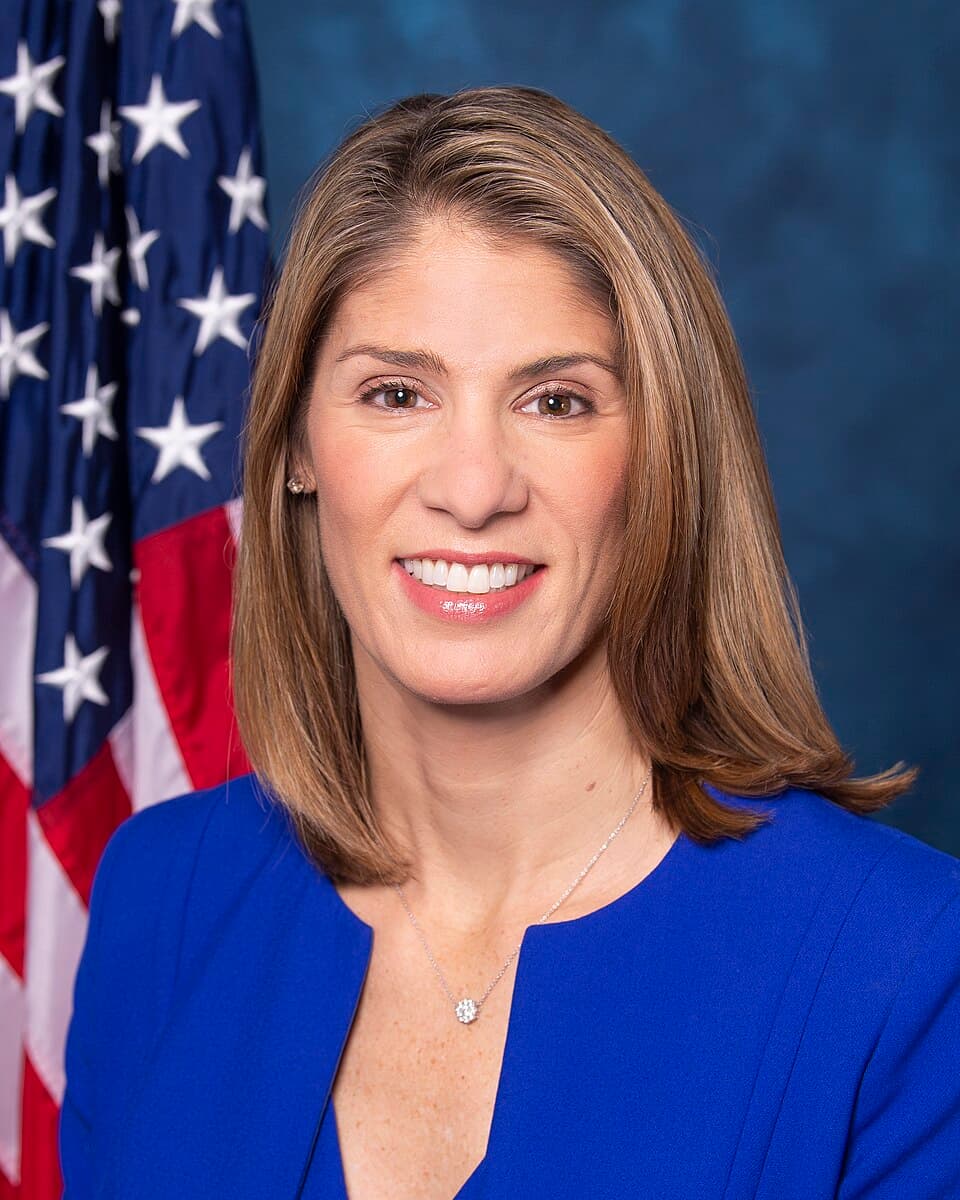
Representatives Lori Trahan and Jay Obernolte have introduced the bipartisan FRONTIER Act, which aims to set federal regulations centered on catastrophic risks associated with high-risk AI models. The legislation includes provisions that would preempt state-level AI laws and establish federal support for fusion energy technologies, a key interest for AI data center operators.
The FRONTIER Act represents a strategic pivot toward federal oversight that prioritizes 'frontier' model safety over broad consumer protection. By preempting state laws, it directly addresses the legal fragmentation currently complicating deployments for AI-integrated video platforms. However, the reliance on industry-led cost-benefit analyses may limit actual enforcement, leaving safety thresholds largely to the discretion of well-funded labs like OpenAI and Anthropic. For the streaming industry, this legislation signals a move toward a more predictable, if lighter, regulatory environment for generative AI integration. Watch for whether states like California mount legal challenges to the bill's preemption clauses given their previous attempts at independent safety mandates.
The tension between federal and state AI governance has intensified following the 2024 veto of California’s SB 1047. Per the Carnegie Endowment for International Peace in October 2024, that landmark state bill would have required stringent safety testing for models costing over $100 million to train. Its failure, and Subsequent Trump administration executive orders in 2025 like EO 14365, underscored a shift toward a unified national approach that balances safety with 'deregulatory, pro-innovation' goals. This federal push, captured in the March 2026 National AI Legislative Framework, aims to consolidate authority within the Department of Commerce as reported by White & Case in June 2026.
At the same time, the AI industry’s physical footprint is driving an unprecedented energy realignment. Per Forbes in July 2026, hyperscalers like Microsoft and Google have committed billions to nuclear and fusion energy project restarts, such as the $16 billion Three Mile Island deal. This 'shadow grid' development is a direct response to data center power demands that are projected to reach 1,300 TWh by 2035, according to industry trackers. The FRONTIER Act’s fusion energy provisions reinforce this trend, effectively linking AI safety regulation with the infrastructure needed to power the next generation of compute-intensive video and LLM applications.
Add StreamingMeme as a preferred source on Google to see more of our streaming news at the top of your Search results.
Add as preferred source