

Pixar alum Connie He debuts AI-assisted animated short at Tribeca
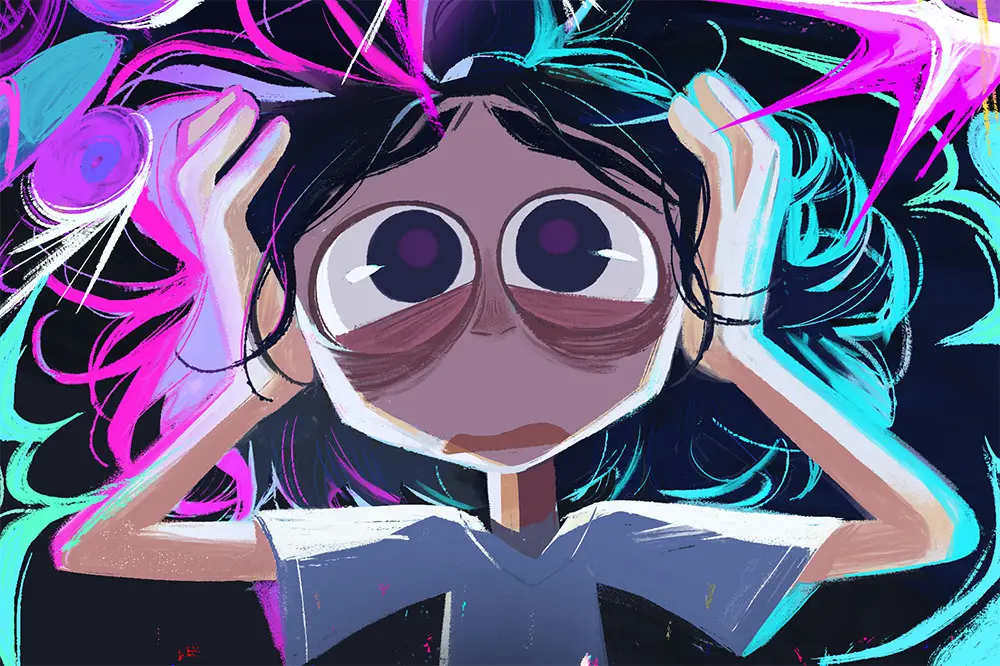
Director Connie He used Google DeepMind’s generative AI and video-to-video models to produce the animated short film 'Dear Upstairs Neighbors,' presented at the Tribeca Festival. The project highlights an integrated workflow that allows creative teams to maintain artistic control while utilizing generative AI for specific, painterly aesthetic goals.
Key Takeaways
- Used custom Google DeepMind video-to-video models to achieve difficult-to-animate 'painterly' visual styles.
- Integrated a 45-person crew including former Pixar collaborators and Oscar-winning creatives.
- Combined 2D and 3D animation with AI-generated visuals to convey internal emotional states.
- Prioritized artist control by fine-tuning models on specific concept art rather than generic text prompts.
- Identified collaborative sound design as a central narrative driver alongside stylized AI-assisted imagery.
Why It Matters
The project serves as a technical blueprint for integrating generative AI into professional animation pipelines without displacing traditional departmental roles. For the streaming industry, this represents a shift from speculative 'one-click' AI video toward highly controlled, stylized tools used by elite talent to reduce the cost of visually complex artistry. It proves that major tech labs like DeepMind are pivoting toward supporting premium production workflows rather than just consumer-facing generation. Watch for whether studio-adjacent labs successfully commercialize these 'video-to-video' refinement tools for wider television and feature use cases.
Additional Context
The premiere of 'Dear Upstairs Neighbors' occurs amid a significant consolidation and evolution in the AI video sector. Per eWeek in March 2026, OpenAI recently ceased operations for its Sora video generator due to unsustainable compute costs, leaving a vacuum that Google’s Veo 3.1 and Runway Gen-4.5 have moved to fill. Unlike earlier text-to-video benchmarks, the 2026 generation of models emphasizes 'reference-aware' consistency and native spatial audio generation, capabilities utilized in the Tribeca project to maintain character design and ambient sound fidelity.
Institutional support for these hybrid workflows is also intensifying through direct corporate-studio partnerships. Per CNET in June 2026, Google DeepMind recently invested $75 million into a dedicated 20-person 'Labs' team at independent studio A24. This initiative focuses on developing AI tools for storyboarding, production, and distribution, specifically designed to funnel creative feedback back into the broader Google AI ecosystem. This follows similar experimental collaborations between Google and directors like Darren Aronofsky to test the limits of generative cinematography.
Simultaneously, the streaming platforms themselves are increasingly embedding these capabilities into their internal technical roadmaps. Per Fora Soft and ZipDo reporting in early 2026, approximately 71% of major streaming platforms have integrated AI into their automated video editing and highlight-generation workflows. While audience personalization remains the primary application, the success of hybrid films at major festivals like Tribeca and Cannes — which featured the AI-assisted 'Goodnight Lamby' this year — and the $166 billion projected valuation of the AI media market by 2033, suggests that generative refinement is becoming a permanent fixture in premium content creation.
Read full article at postperspective.com
Enjoy our coverage?
Add StreamingMeme as a preferred source on Google to see more of our streaming news at the top of your Search results.
Add as preferred source