
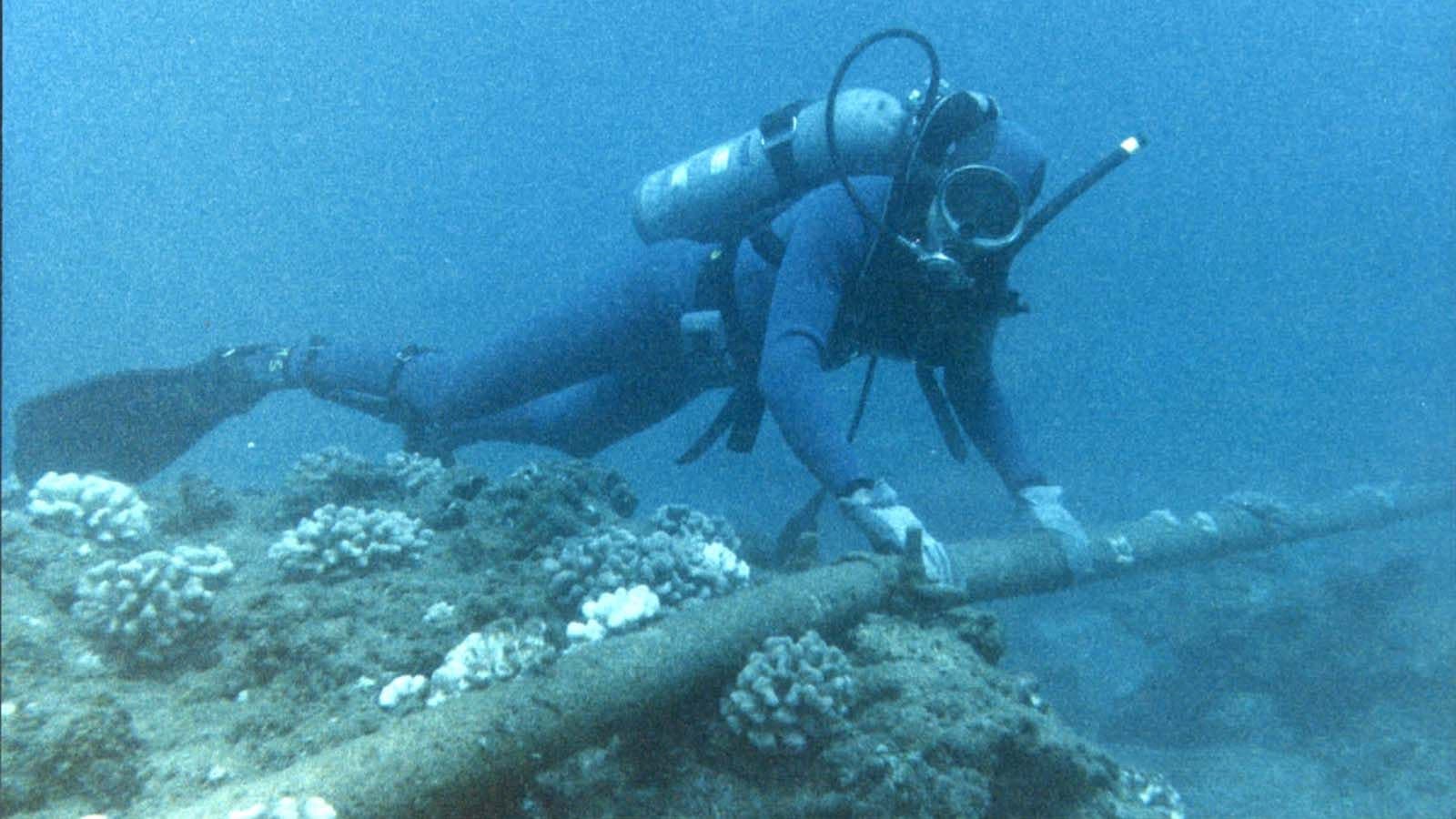
The Oregon Department of State Lands has proposed a new leasing program that would charge technology companies for undersea fiber-optic cables installed within the state's three-mile territorial waters. The initiative intends to generate revenue for public education and increase oversight of subsea infrastructure environmental impacts.
The proposal marks a shift toward state-level monetization of critical internet plumbing used by Google, Meta, and Microsoft. For streaming providers, this adds a new layer of localized regulatory costs to the high-stakes build-out of CDN and cloud infrastructure. By aligning Oregon with existing fee structures in California and Washington, the move creates a unified West Coast cost barrier that could impact future landing site selection for trans-Pacific routes. As tech giants move from leasing capacity to owning 70% of global subsea infrastructure, states are increasingly viewing these easements as lucrative public assets rather than just critical utilities. Watch for the Oregon State Land Board's final vote later this year following the public comment period ending August 3.
The Oregon proposal surfaces as global investment in subsea infrastructure is projected to reach $13 billion between 2025 and 2027, according to TeleGeography in November 2025. This surge is driven largely by the massive data requirements of artificial intelligence and cloud services. Major tech firms—specifically Google, Meta, Amazon, and Microsoft—now represent approximately 50% of the total market, fundamentally shifting ownership away from traditional telecommunications carriers (per CircleID, November 2025). Meta’s Project Waterworth, a planned 50,000km system, and Amazon’s Fastnet cable exemplify this trend of vertical integration where content providers own the physical delivery layers.
On a federal level, regulatory scrutiny is also intensifying. In June 2026, the FCC adopted the first comprehensive update to submarine cable rules in 25 years (per FCC.gov). The new framework introduces oversight for Submarine Line Terminal Equipment (SLTE), the essential hardware that converts optical signals to electrical data at landing points. While the FCC aims to streamline licensing for operators who meet high security standards, it has also implemented stricter reporting requirements to mitigate national security risks associated with foreign-controlled entities.
In Oregon, the push for increased fees was partly catalyzed by the 2020-21 Facebook-led landing project in Tierra del Mar, which resulted in abandoned drilling equipment and fluid spills beneath the seafloor (per OPB, July 2026). This environmental incident spurred the Oregon Legislative Assembly to pass a bill in 2021 updating the Territorial Sea Plan, which eventually led to the current fee proposal. With 16 cables currently permitted off the Oregon coast—ten of which land in Tillamook County—the state is seeking to balance its status as a top-10 data center hub with higher corporate accountability.
Add StreamingMeme as a preferred source on Google to see more of our streaming news at the top of your Search results.
Add as preferred source