

NVIDIA T3000 and T2000 Accelerate Humanoid Robotics and Edge AI Inference
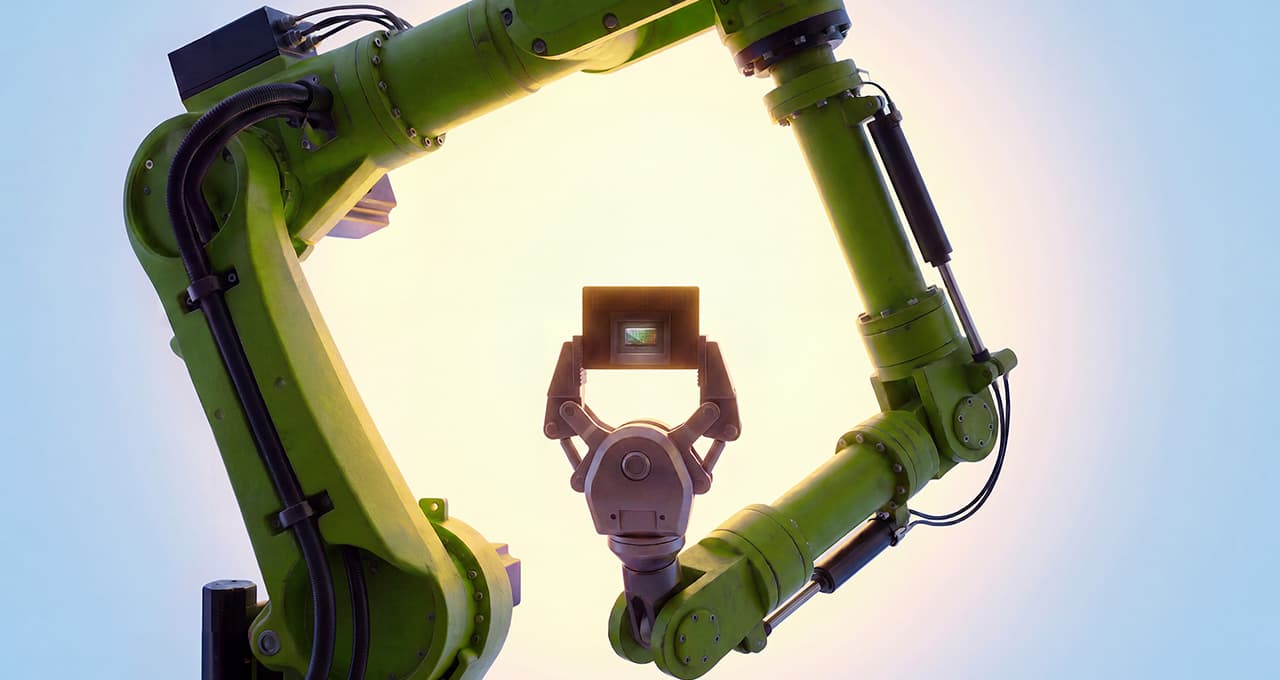
NVIDIA has introduced its T3000 and T2000 Jetson modules based on the Thor architecture, designed to provide high-performance edge AI and computer-vision capabilities for robotics. The modules utilize Blackwell GPU technology to support multimodal models and introduce new agent skills aimed at optimizing memory usage for on-device intelligent systems.
Key Takeaways
- Jetson T3000 delivers 865 FP4 teraflops with 32GB LPDDR5X memory, achieving T5000-level inference in half the physical footprint.
- New Jetson agent skills automated memory optimization tasks, helping partners like NoTraffic reduce memory usage by 30% on legacy hardware.
- The Cosmos 3 Edge model features 4 billion parameters and supports post-training for specific sensor suites in approximately 24 hours.
- Hardware availability is scheduled for Q1 2027, with T3000 emulation mode arriving for developers in late July 2026 via JetPack 7.2.1.
Why It Matters
The introduction of Thor-based modules solves the immediate hardware bottleneck for deploying power-hungry Blackwell-class vision models in mobile robotics. By enabling high-performance inference at the FP4 precision level, NVIDIA is standardizing the 'physical AI' stack across humanoids and industrial IoT. For the ecosystem, this creates a scalable path from 70 TOPS to 2,000 teraflops, pressuring competitors to match NVIDIA's unified software-hardware emulation environments. Watch for the Q1 2027 shipping window to see if competitors like Qualcomm or Ambarella can offer comparable performance-per-watt for multimodal edge agents.
Additional Context
The expansion of the Jetson roadmap follows NVIDIA's broader push into 'Physical AI,' a segment CEO Jensen Huang identified during GTC 2024 as the next frontier for the company beyond data center growth. Per CNBC in March 2025, NVIDIA’s Project GR00T was designed specifically to provide a foundation model for humanoid robots, allowing them to understand natural language and emulate movements by observing human actions. The Blackwell architecture, which underpins the new Thor modules, has faced significant supply constraints throughout late 2025 and 2026, though recent reporting from Bloomberg suggests that production yields for Blackwell-based chips have stabilized as of May 2026, facilitating their rollout into edge devices like the T3000.
Competitively, the edge AI landscape is tightening as rivals target specialized robotics workloads. In April 2026, per TechCrunch, Qualcomm announced its latest RB5 robotics platform update, focusing specifically on low-latency 5G connectivity and integrated ISP capabilities to compete with Jetson in the industrial logistics space. Meanwhile, the robotics sector itself is seeing massive capital inflow; per Reuters in February 2026, Figure AI and 1X Technologies secured a combined $800 million in funding to accelerate the commercialization of humanoid workers. NVIDIA’s strategy of providing both the silicon and the Cosmos 3 foundation models aims to lock these well-funded startups into its CUDA-based ecosystem before general-purpose robotics hardware becomes commoditized.
Read full article at blogs.nvidia.com
Enjoy our coverage?
Add StreamingMeme as a preferred source on Google to see more of our streaming news at the top of your Search results.
Add as preferred source