
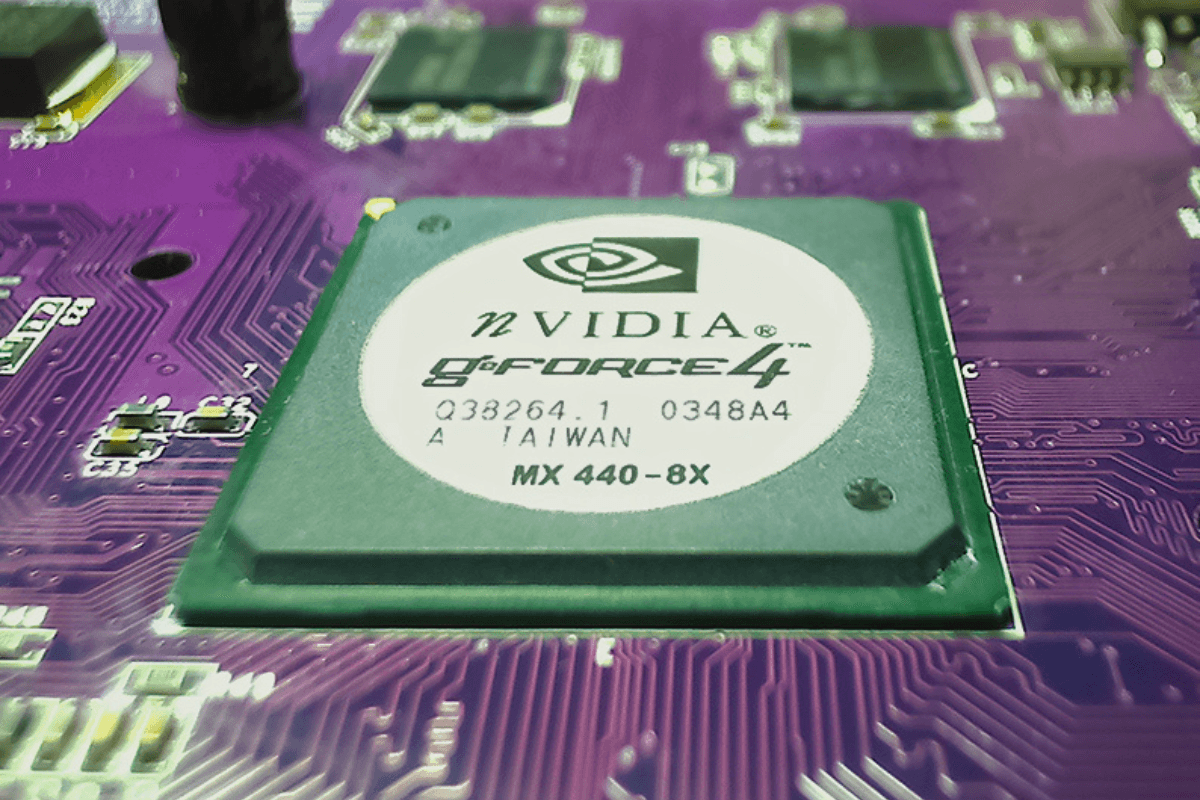
Nvidia has reached a $5 trillion market valuation following a significant pivot from gaming hardware to providing infrastructure for AI training and generative model development. The shift is highlighted by the company's data center revenue rising to $197.3 billion, cementing its position as a critical primary supplier for major AI research labs and tech platforms.
Nvidia’s dominance cements the GPU and CUDA ecosystem as the primary toll booth for the AI economy, including generative video and streaming recommendation engines. For the streaming industry, this concentration of hardware power means infrastructure costs are heavily tied to a single vendor's roadmap. The massive valuation also creates a systemic link between AI performance and broader financial markets; any cooling in AI infrastructure spending will immediately impact global pension funds and institutional portfolios. Partners must monitor Nvidia’s quarterly data center margins as a proxy for the total available capital in the generative AI space.
The supply chain for these specialized chips remains under extreme pressure. Per Bloomberg in April 2026, TSMC reported that its 2nm high-performance computing capacity is fully booked through 2027, primarily by Nvidia and Apple. This bottleneck has forced cloud providers like Microsoft and Google to accelerate their internal chip designs—specifically the Maia and TPU series—to reduce reliance on Nvidia's premium pricing. Despite these internal efforts, the software moat provided by Nvidia's CUDA platform remains the industry standard, making a transition to alternative hardware difficult for existing AI models.
Simultaneously, regulatory scrutiny is intensifying. In June 2026, Reuters reported that the U.S. Department of Justice and the FTC reached an agreement to launch antitrust investigations into the dominant positions of Nvidia, Microsoft, and OpenAI. Investigators are reportedly looking into whether Nvidia’s software bundling practices create unfair barriers for rival chipmakers like AMD and Intel. While Nvidia’s market lead is sustained by two decades of R&D, these legal developments could eventually force changes in how the company licenses its software to data center clients.
Add StreamingMeme as a preferred source on Google to see more of our streaming news at the top of your Search results.
Add as preferred source