
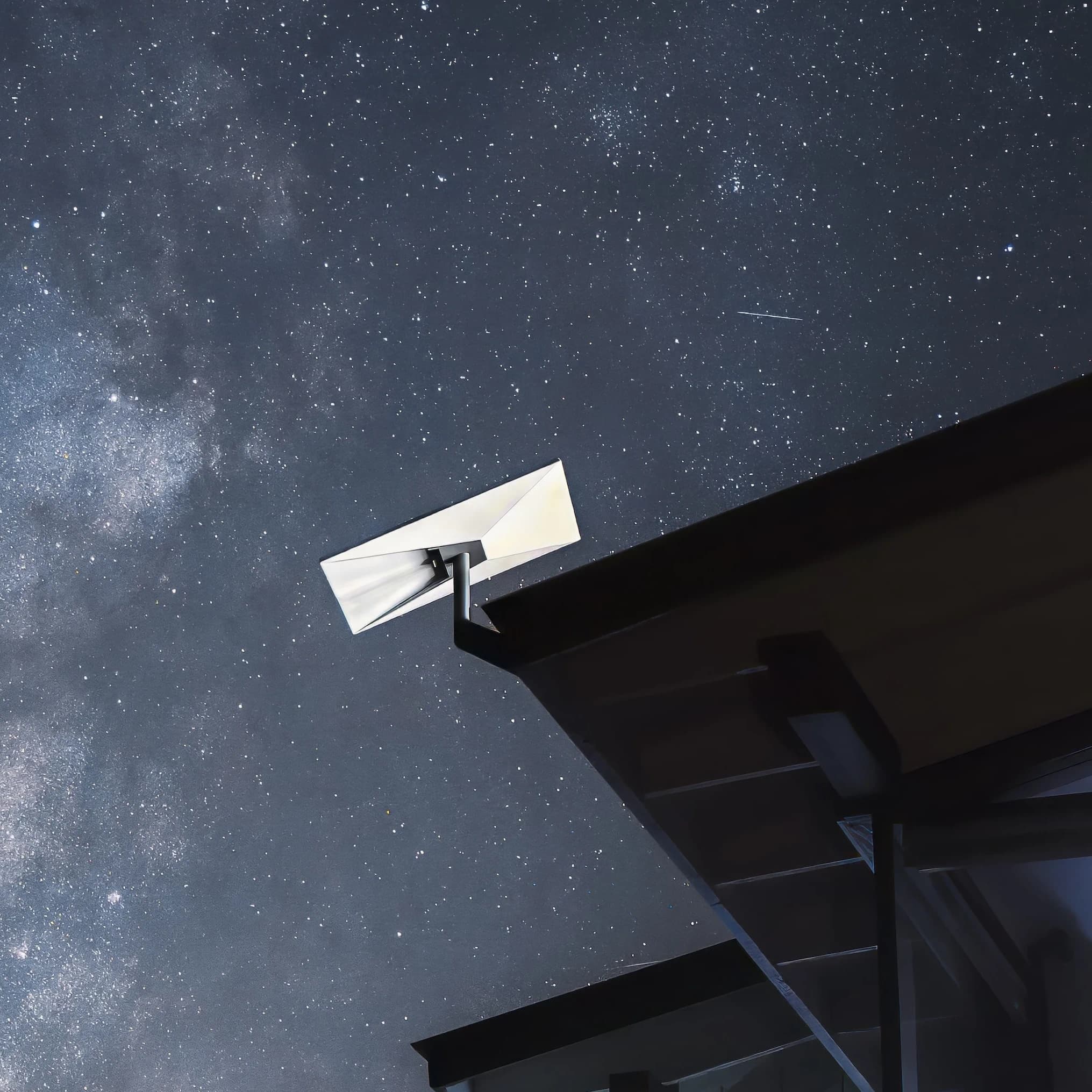
Starlink is preparing to launch next-generation satellite terminals by late 2026, which will feature the capability to communicate simultaneously with two LEO satellites. This advancement is expected to significantly enhance connection stability and overall performance for users, particularly in rural areas dependent on broadband for streaming. While the full details are under speculation, it could provide a major performance boost for customers.
Simultaneous dual-satellite links minimize the sub-millisecond handoff gaps currently inherent in LEO broadband, providing a more consistent signal for high-bitrate streaming and low-latency gaming. For the streaming ecosystem, this removes one of the final technical hurdles for 4K delivery in unserved rural markets. By hardening the connection against signal drops, SpaceX is positioning satellite broadband as a direct competitor to high-end terrestrial fixed-wireless services. Watch for whether this dual-link capability becomes a premium feature reserved for enterprise and maritime tiers or is integrated into standard residential 'Rev5' hardware to justify recent price increases.
Starlink's dual-satellite connectivity announcement builds on a rapid hardware cadence from SpaceX. Elon Musk previewed two new Starlink dish terminals in a June 2026 video, confirming they were manufactured in much higher volume than current models, with one expected to replace the Standard dish and the other serving as a rugged, battery-powered alternative to the Mini. The dual-link capability disclosed by reseller Neterra represents the next architectural step beyond those physical redesigns, moving from form-factor improvements to a fundamental change in how the terminal maintains its connection to the constellation.
The commercial context for the next-gen terminals is shifting as well. Starlink's service has grown to approximately 12 million customers globally as of mid-2026, up from 6 million in July 2025, with 110,000 subscribers in the UK alone. The constellation now numbers around 10,650 active satellites at altitudes between 340 and 550 km. Meanwhile, Starlink's V5 dish, revealed in July 2026, delivers speeds up to 375 Mbps with average power draw of only 35 to 50 watts compared to 75 to 100 watts for the V4, a significant efficiency gain that suggests SpaceX is managing the power budget carefully even as it adds more demanding RF capabilities like simultaneous dual-satellite links.
For streaming delivery over satellite broadband, the dual-link architecture addresses a specific technical limitation. Current Starlink dishes switch between LEO satellites in milliseconds, but that handoff creates brief throughput dips that can trigger adaptive-bitrate downgrades during live events or 4K playback. The V5's stated focus on streaming, video calling, and gaming, combined with the announced dual-satellite capability for later next-gen models, indicates SpaceX is building a hardware progression where each generation tightens the connection envelope. Whether the dual-link feature ships in the consumer V5 line or is reserved for enterprise and maritime tiers remains unconfirmed, a distinction that will determine how quickly satellite broadband closes the reliability gap with terrestrial fixed-wireless for rural streaming households.
Add StreamingMeme as a preferred source on Google to see more of our streaming news at the top of your Search results.
Add as preferred source