
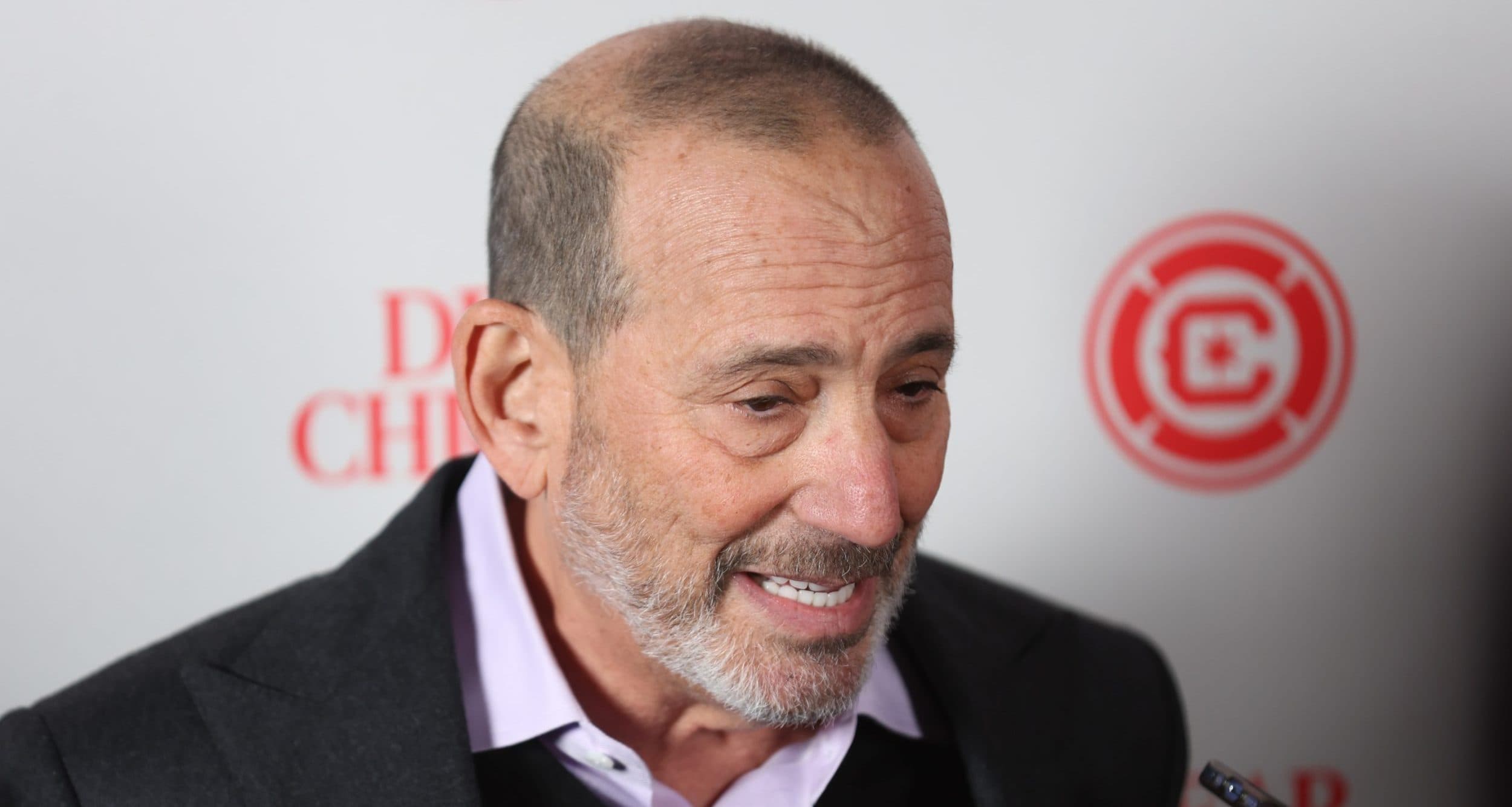
MLS Commissioner Don Garber defended the league's streaming-exclusive deal with Apple, acknowledging it was "early" but a necessary risk for digital transformation. After ditching the MLS Season Pass and making games available to standard Apple TV subscribers, the league reported a 62% increase in streaming viewership. Garber believes in the future of digital distribution, even suggesting a multi-streaming partner landscape with companies like Netflix and YouTube for future rights deals.
Add StreamingMeme as a preferred source on Google to see more of our streaming news at the top of your Search results.
Add as preferred sourceThe viewership surge confirms that while early-adopter fees created high friction, bundled streaming access has unlocked mass-market reach comparable to traditional distributions. This pivot signals the end of the experimental paywalled-island model for niche leagues, forcing a shift toward generalist platforms with existing subscriber bases. As the 2028-29 rights cycle nears, the league's openness to multi-partner deals with Netflix or Amazon suggests a transition away from the single-platform exclusivity model. Watch for Apple to potentially adjust its $250 million annual guarantee if further distribution concessions are made to rival streamers.
The MLS-Apple partnership has undergone significant structural evolution since the original 10-year, $2.5 billion deal launched in 2023. For the 2025 season, MLS and Apple made Season Pass available through Xfinity and DirecTV for the first time, allowing pay-TV customers to subscribe and watch directly through their provider interfaces rather than exclusively within the Apple TV ecosystem. Comcast integrated live matches into the X1 channel guide and Xfinity Stream app, while DirecTV carried games on channels 480 through 495. T-Mobile also renewed its partnership granting subscribers complimentary access. These distribution expansions were explicitly designed to attract casual fans who had been deterred by the standalone $14.99 monthly or $99 seasonal price point.
The most consequential shift came in November 2025, when MLS announced all matches would move into the standard Apple TV subscription beginning in 2026, eliminating the standalone Season Pass entirely. Regular-season matches, Leagues Cup, the All-Star Game, Campeones Cup, and MLS Cup Playoffs all became included at no additional cost beyond the $12.99 monthly Apple TV subscription. This placed MLS in the same distribution model as the English Premier League on Peacock and La Liga on ESPN+, where soccer content is bundled into a broader streaming service rather than siloed behind a sport-specific paywall. Season-ticket holders who previously received complimentary Season Pass subscriptions now receive an annual Apple TV subscription instead.
Industry analysts framed the pivot as validation that exclusive OTT distribution remains premature for most sports properties. John Wall Street noted that even Amazon's Thursday Night Football, which drew 13.2 million viewers in 2024, saw ratings decline more than 20% compared to its linear broadcast days, and that figure included local market over-the-air simulcasts representing 10-15% of the audience. The analysis argued that MLS's original exclusive consolidation behind Apple's paywall was driven by Apple's willingness to pay meaningfully more than ESPN and Fox had offered for national rights, but the subsequent viewership friction demonstrated that even a well-funded tech partner cannot replicate the discovery and habit formation that linear distribution provides for a growing league.
