

MIT and Dartmouth researchers debunk tattoos deepfake video protection theory
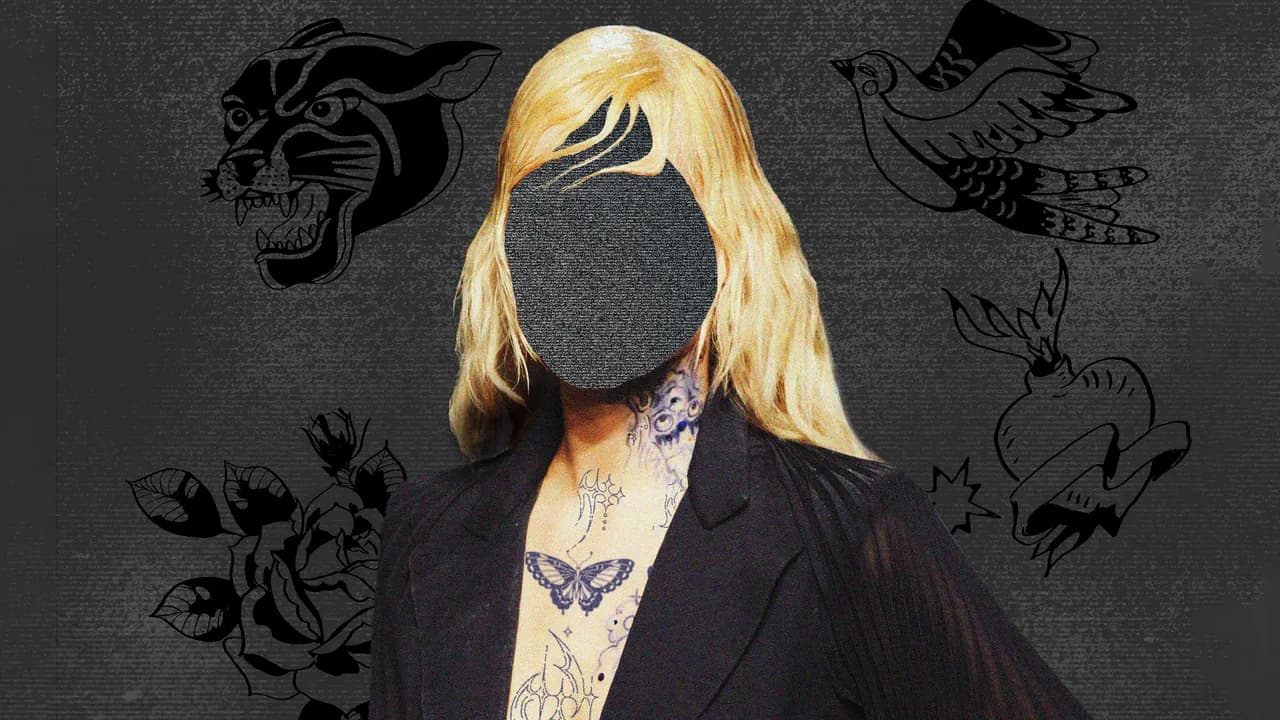
AI researchers from Dartmouth and MIT have debunked the theory that tattoos provide a reliable defense against deepfake video generation. While current generative models struggle with temporal coherence and fine details, experts warn that these technical limitations are rapidly being overcome by advancements in clip-based video processing.
Key Takeaways
- Generative AI currently struggles with temporal coherence, causing tattoos to shift or blur between 10-15 second video clips.
- Training data for people with multiple tattoos is limited, as only 22% of Americans have more than one piece of ink.
- Advancements in clip-based generation allow AI to process short video segments simultaneously rather than frame-by-frame.
- Hany Farid of Dartmouth notes that while tattoos may cause errors today, technical improvements will likely solve these issues within months.
Why It Matters
The debunking of tattoos as a biological watermark signals that visual complexity no longer provides a reliable barrier against synthetic media. As generative models shift from frame-by-frame rendering to holistic clip-based processing, the technical friction that once protected individuals with unique physical markers is evaporating. This shift forces the streaming and digital media ecosystem to move away from individual 'hacks' for bodily autonomy and toward centralized detection tools and legislative protections. Industry stakeholders should monitor the development of real-time deepfake detection techniques, which Saetbyeol Leeyouk suggests will be the primary defense as generative accuracy reaches parity with high-detail physical reality.
Additional Context
As researchers continue to analyze the limitations of current generative models, NVIDIA synthetic video detection is emerging as a critical component for platforms looking to verify content authenticity at scale. Meanwhile, generative video production workflows are increasingly focusing on temporal continuity to overcome the very artifacts that currently expose synthetic content. To further address these challenges, FAViT deepfake detection architecture is providing new benchmarks for identifying synthetic media, while Reality Defender deepfake detection continues to expand its reach through strategic industry partnerships.
Read full article at allure.com
Enjoy our coverage?
Add StreamingMeme as a preferred source on Google to see more of our streaming news at the top of your Search results.
Add as preferred source