

Loudoun County Demands Energy Conservation as AI Power Loads Strain Grid
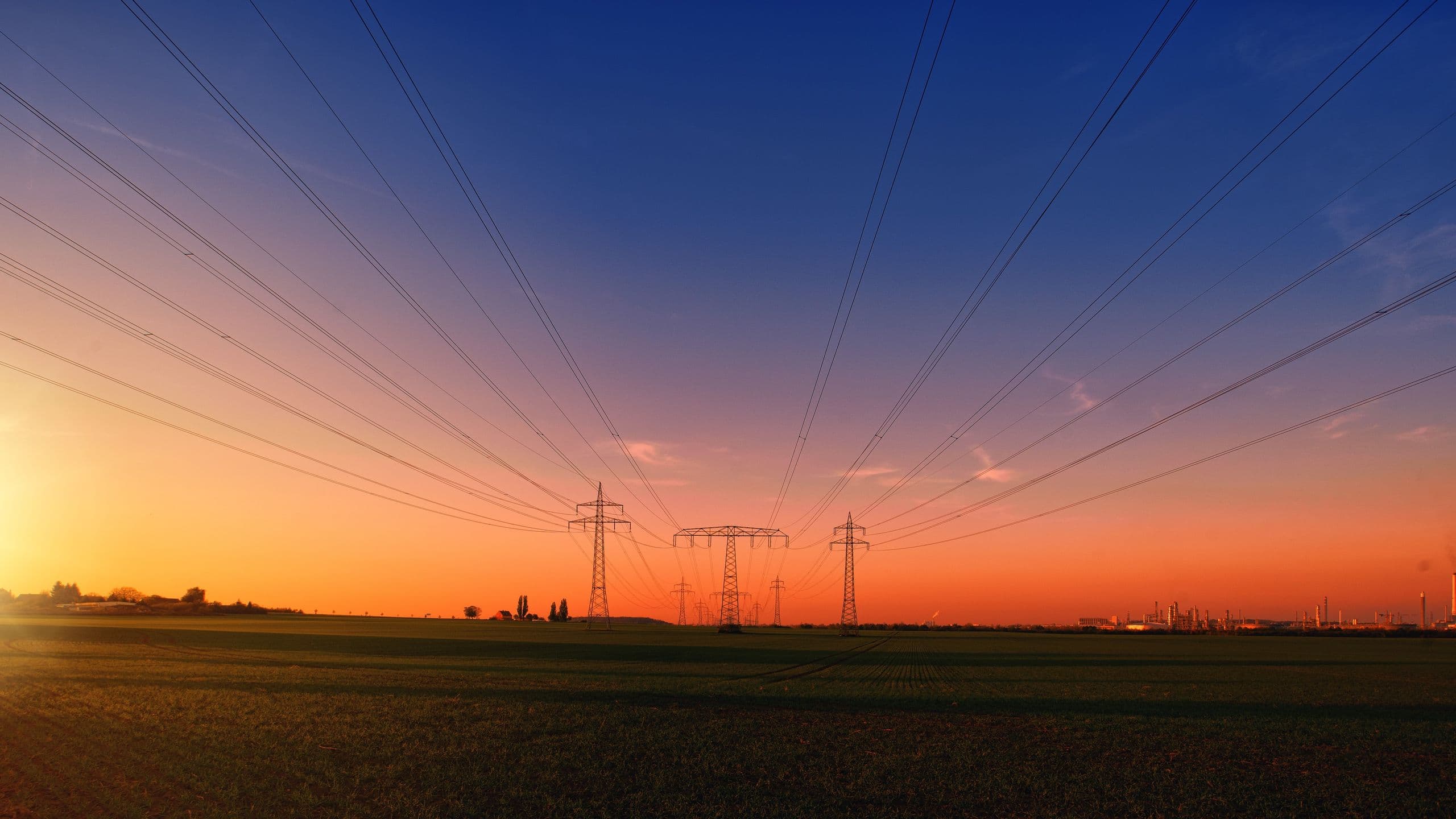
Loudoun County, Virginia, has requested that local businesses and schools reduce energy consumption to alleviate pressure on the electrical grid caused by significant data center growth. This development underscores the rising infrastructure challenges and costs associated with scaling power-intensive AI and cloud computing workloads.
Key Takeaways
- Loudoun County officials are requesting voluntary cuts to heavy machinery, lighting, and HVAC use during peak demand periods.
- Dominion Energy identifies the rapid scaling of large language models and server farms as the primary driver of regional grid instability.
- Rising infrastructure and fuel costs to meet AI demand are already resulting in higher energy bills for local commercial and public consumers.
- The county is directing schools and businesses to shift energy-intensive tasks to off-peak hours to avoid potential service outages.
Why It Matters
The energy crisis in Loudoun County highlights a critical bottleneck for the streaming and AI sectors: physical infrastructure limits. As streaming platforms integrate more AI-driven recommendation engines and encoding processes, their reliance on these data center clusters grows. If 'Data Center Alley' cannot guarantee stable power, the technical overhead and operational costs for cloud-dependent services will rise significantly. This strain suggests that future infrastructure expansion may be forced into geographically diverse regions with underutilized grids, potentially increasing latency for East Coast delivery. Watch for Dominion Energy’s next regulatory filing regarding localized surcharges for high-density data center operators.
Additional Context
The volatility in Northern Virginia’s power supply follows a broader trend of energy providers recalibrating for hyperscale tenants. Per a May 2026 report from Bloomberg, Dominion Energy recently updated its 15-year forecast to reflect a doubling of projected power demand, driven almost exclusively by data center expansion in the Dulles technology corridor. This surge has prompted the utility to propose several new high-voltage transmission lines, which have faced local opposition due to environmental and zoning concerns. Similarly, the International Energy Agency (IEA) issued a report in early 2026 noting that data center energy consumption globally could top 1,000 terawatt-hours by year-end, nearly equivalent to the total electricity consumption of Japan.
In response to these localized constraints, major cloud providers are pivoting toward alternative energy procurement. Per Reuters in June 2026, Amazon and Microsoft have increased their investments in modular nuclear reactors and behind-the-meter battery storage to decouple their facilities from the public grid during peak stress. However, these solutions are years away from full deployment. For the streaming industry, which relies on these regions for content delivery and edge computing, the immediate result is a shift in cost structures. Data from Synergy Research Group in April 2026 indicates that colocation and wholesale data center pricing in Northern Virginia has risen by 12% year-over-year, as providers pass grid-reinforcement costs directly to their enterprise clients.
Read full article at techradar.com
Enjoy our coverage?
Add StreamingMeme as a preferred source on Google to see more of our streaming news at the top of your Search results.
Add as preferred source