

Local broadcasters push FCC to end network vMVPD negotiation control
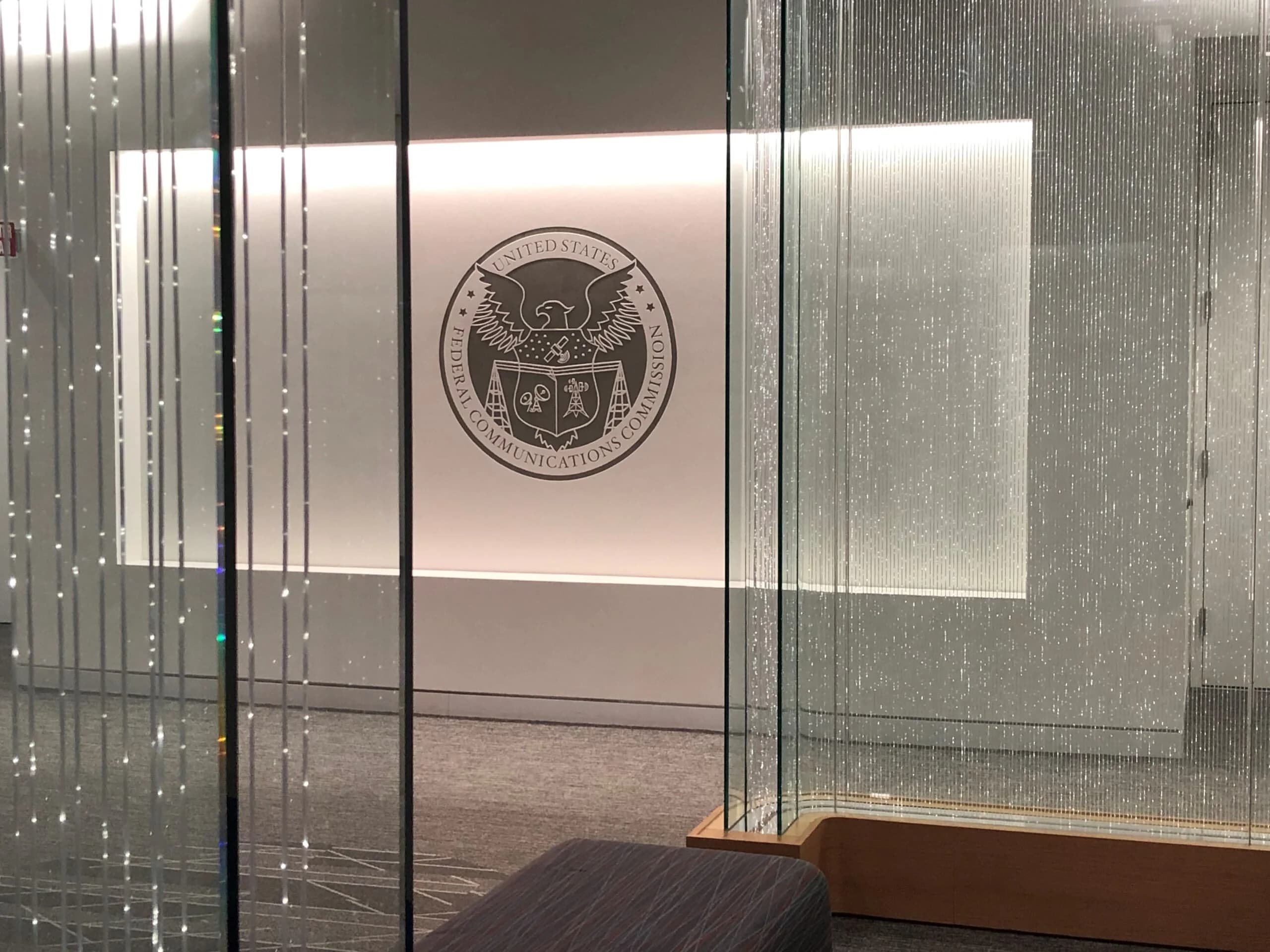
Telecom and broadcast associations have submitted conflicting filings to the FCC regarding the 2026 Communications Marketplace Report. The proceedings address critical industry tensions, including fiber deployment barriers, broadband competition, and the financial impact of current vMVPD carriage frameworks on local broadcast stations.
Key Takeaways
- Affiliate associations of ABC, CBS, Fox, and NBC report that rising affiliation fees are now consuming nearly all retransmission consent revenue.
- Starlink roughly doubled its U.S. subscriber base to 2.7 million in 2025, fueling debate over satellite's role as a primary broadband competitor.
- The Fiber Broadband Association identified railroad crossing permits and environmental reviews as the top three obstacles stalling infrastructure deployment.
- The American Television Alliance noted that the top five broadcast groups increased their station count from 128 to 692 between 2011 and 2024.
Why It Matters
The tension between local stations and national networks over vMVPD carriage marks a critical shift in the power vertical of the pay TV value chain. If the FCC grants affiliates direct negotiation rights for platforms like YouTube TV, it could destabilize existing network-vMVPD bundles and force a major recalibration of retransmission pricing. This regulatory friction directly impacts the margins of tech giants and major broadcasters alike as they navigate the migration of 20 million subscribers to virtual platforms. Watch for the FCC's final 2026 Communications Marketplace Report this December for signals on potential carriage rule changes.
Additional Context
The FCC's 2026 Communications Marketplace Report arrives as the agency moves toward a broader 'Build America' agenda aimed at accelerating infrastructure. Per an June 2026 FCC proposal from Chairman Brendan Carr, the agency is seeking to establish a presumptive 120-day time limit for local governments to process wireline authorization requests. This 'red tape' initiative seeks to limit state and local fees to a reasonable approximation of actual costs, directly addressing the deployment barriers cited by organizations like the Fiber Broadband Association. Broadcasters, meanwhile, face diverging regulatory paths; while the 8th Circuit's Zimmer Radio decision in July 2025 ended the 'top-four' rule that limited local station combinations, groups like the American Television Alliance continue to lobby for the 39% national ownership cap to prevent further consolidation.
The debate over Fixed Wireless Access (FWA) competition intensified throughout early 2026 as subscriber counts for mobile-based home internet climbed. Per Inside Towers in February 2026, T-Mobile reported reaching 8.5 million FWA connections at the end of 2025, a 31% year-on-year increase. While cable operators traditionally dismissed FWA as an inferior product, Cartesian analysis from June 2026 indicates that 38% of residential U.S. locations can now access at least two FWA providers. This surge in alternative connectivity forms a key data point in the FCC's assessment of whether the broadband market remains 'highly concentrated,' as argued by the trade group INCOMPAS, or is undergoing a shift toward a truly competitive intermodal landscape.
Read full article at cablefax.com
Enjoy our coverage?
Add StreamingMeme as a preferred source on Google to see more of our streaming news at the top of your Search results.
Add as preferred source