

Lenovo infrastructure cuts World Cup streaming latency from 40 to 5 seconds
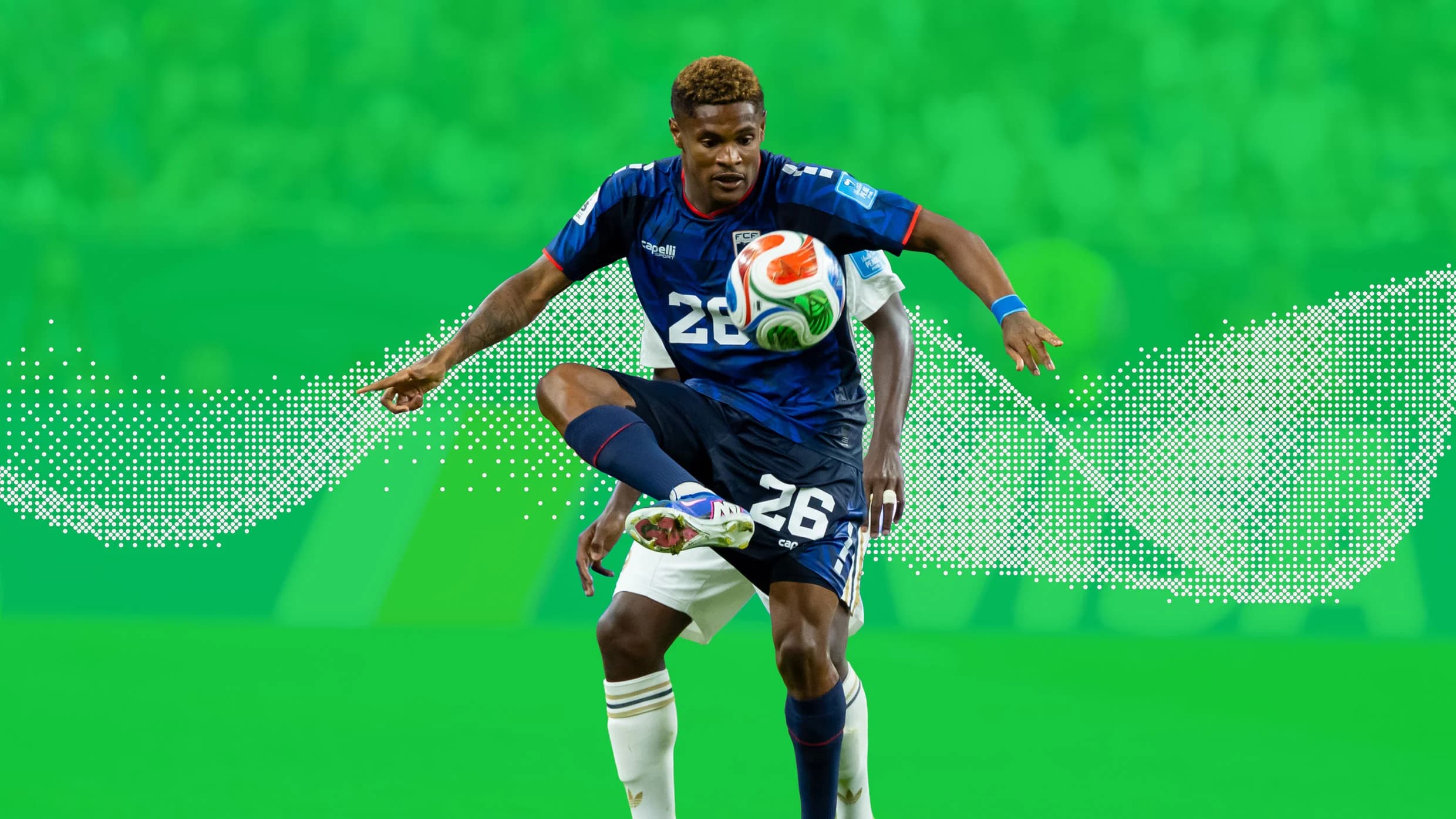
Lenovo has deployed its 'Football AI Pro' tool to aid World Cup teams with performance analytics and integrated ThinkSystem servers at the FIFA International Broadcast Center. The implementation also reportedly reduced match streaming latency from 40 seconds to under five seconds using these infrastructure improvements.
Key Takeaways
- Streaming latency dropped from roughly 40 seconds to under five seconds via on-premise ThinkSystem server infrastructure in Dallas.
- Football AI Pro orchestrates multiple AI agents to analyze petabytes of tracking and historical data across 2,000 specific football metrics.
- Lenovo developed 3D digital avatars for all 1,248 competing players to support high-precision offside reviews and multi-angle fan replays.
- More than 17,000 Lenovo and Motorola devices have been deployed across venues and team camps, supported by over 200 on-site engineers.
Why It Matters
The reduction in streaming latency addresses a critical pain point for live sports, aligning digital feeds more closely with traditional linear broadcasts to prevent social media spoilers. By democratizing access to elite-level analytics through the Football AI Pro tool, FIFA is effectively 'leveling the pitch,' allowing smaller federations to utilize the same data insights as historically dominant programs. This shift suggests that competitive advantage in international sports is migrating from raw data access to the speed of tactical execution. For the broader industry, this deployment demonstrates the necessity of edge computing over cloud-only workflows for mission-critical, high-bandwidth global events. Digital twins and AI-stabilized broadcast feeds are set to become standard requirements for future-tier sports rights holders.
Additional Context
The technical overhaul at the 2026 World Cup follows a landmark technology partnership between FIFA and Lenovo announced in October 2024. Per SportsPro (October 2024), the deal established Lenovo as a top-tier sponsor, with industry estimates valuing the sponsorship at over $150 million. This partnership transitioned Lenovo from a hardware provider to the primary architect of FIFA’s 'football technology' ecosystem, which now includes the central nerve center at the Kay Bailey Hutchison Convention Center in Dallas. Per AP (June 2026), this facility spans 45,000 square meters and houses the tournament’s official Video Assistant Referee (VAR) operations alongside host broadcast services.
Simultaneously, traditional broadcasters are feeling the pressure to modernize their own delivery stacks to keep pace with these infrastructure gains. According to Forbes (June 2026), British broadcaster Sky launched a 'Real Time' low-latency feature for Sky Glass and Sky Stream just before the tournament, specifically to reduce the lag in BBC and ITV coverage. While Lenovo handles the core tournament feed, consumer-facing secondary providers are utilizing technologies like LL-HLS and CMAF chunked segments to ensure the local user experience matches the sub-five-second speeds provided by the International Broadcast Center.
Beyond video delivery, the tournament features significant upgrades in data sourcing. According to SFS (June 2026), the official Adidas match ball now contains a 500Hz motion sensor that captures the precise 'kick point' of the ball 500 times per second. This high-frequency data is fed directly into Lenovo’s AI systems at the IBC, enabling semi-automated offside decisions that were previously impossible at such scale. These developments highlight a broader industry move toward fully integrated sensor-to-screen workflows in live sports broadcasting.
Read full article at fastcompany.com
Enjoy our coverage?
Add StreamingMeme as a preferred source on Google to see more of our streaming news at the top of your Search results.
Add as preferred source