

KT Skylife secures 7-year satellite license renewal with mandated HEVC transition
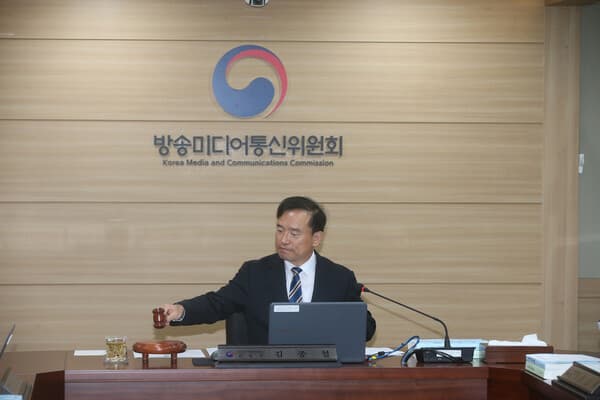
South Korea's Broadcasting Media Communications Commission renewed KT Skylife's satellite broadcasting license for 7 years after a review. KT Skylife received 5 renewal conditions, a significant reduction from previous terms. Among the conditions is a requirement to establish a subscriber support plan for converting to the HEVC codec within three months.
Key Takeaways
- KT Skylife scored 697.52 out of 1,000 points, comfortably clearing the 650-point threshold for license renewal.
- Regulators reduced oversight from 20 conditions and 5 recommendations to just 5 core conditions to streamline administrative burdens.
- The 7-year renewal requires more than 50% of subscribers to be served by one-way satellite broadcasting to maintain infrastructure sustainability.
- A mandatory investment plan must be approved and performance results submitted every two years to ensure satellite service continuity.
- The commission mandated increased board independence, requiring a majority of outside directors to enhance corporate expertise.
Why It Matters
The mandated shift to High Efficiency Video Coding (HEVC) is a strategic move to optimize satellite bandwidth as traditional pay-TV faces heavy pressure from IPTV and global streamers. For KT Skylife, the only nationwide satellite provider in Korea, this transition is vital for maintaining spectral efficiency and supporting high-resolution 4K/UHD delivery in reception blind spots. Across the broader ecosystem, it signals a regulatory push for technical modernization to ensure satellite remains a viable tier against fiber-based competitors. Watch for the specific subscriber support plan due by September 2026, which will detail the hardware replacement costs and timeline for legacy set-top boxes.
Additional Context
The license renewal comes as the South Korean pay-TV landscape undergoes a structural shift toward IPTV. Per the Broadcasting Media Communications Commission in May 2026, IPTV now commands nearly 60% of the market with 21.5 million subscribers, while satellite subscriptions fell by approximately 41,000 to 2.68 million in the second half of 2025. This decline highlights why regulators are prioritizing the sustainability of satellite broadcasting through leaner regulatory conditions and technical mandates. KT remains the overall market leader, controlling over 25% of total pay-TV subscribers through its combined IPTV and satellite offerings.
Financial pressures are also driving the need for technical efficiency. Per DigitalToday in May 2026, KT Skylife reported a 1.6% year-on-year revenue decline to 238.97 billion won for Q1, despite a 16.2% rise in operating profit attributed to aggressive cost-cutting. The transition to HEVC—a codec that cuts bitrates by roughly half compared to legacy standards—is essential for KT Skylife to manage bandwidth costs while defending its premium UHD position. This regulatory action mirrors a broader industry retreat from standalone OTT services by Korean telcos, including LG U+'s shutdown of U+ Mobile TV in May 2026, as operators refocus on integrated IPTV and satellite ecosystems to retain their subscriber bases.
Read full article at digitaltoday.co.kr
Enjoy our coverage?
Add StreamingMeme as a preferred source on Google to see more of our streaming news at the top of your Search results.
Add as preferred source