
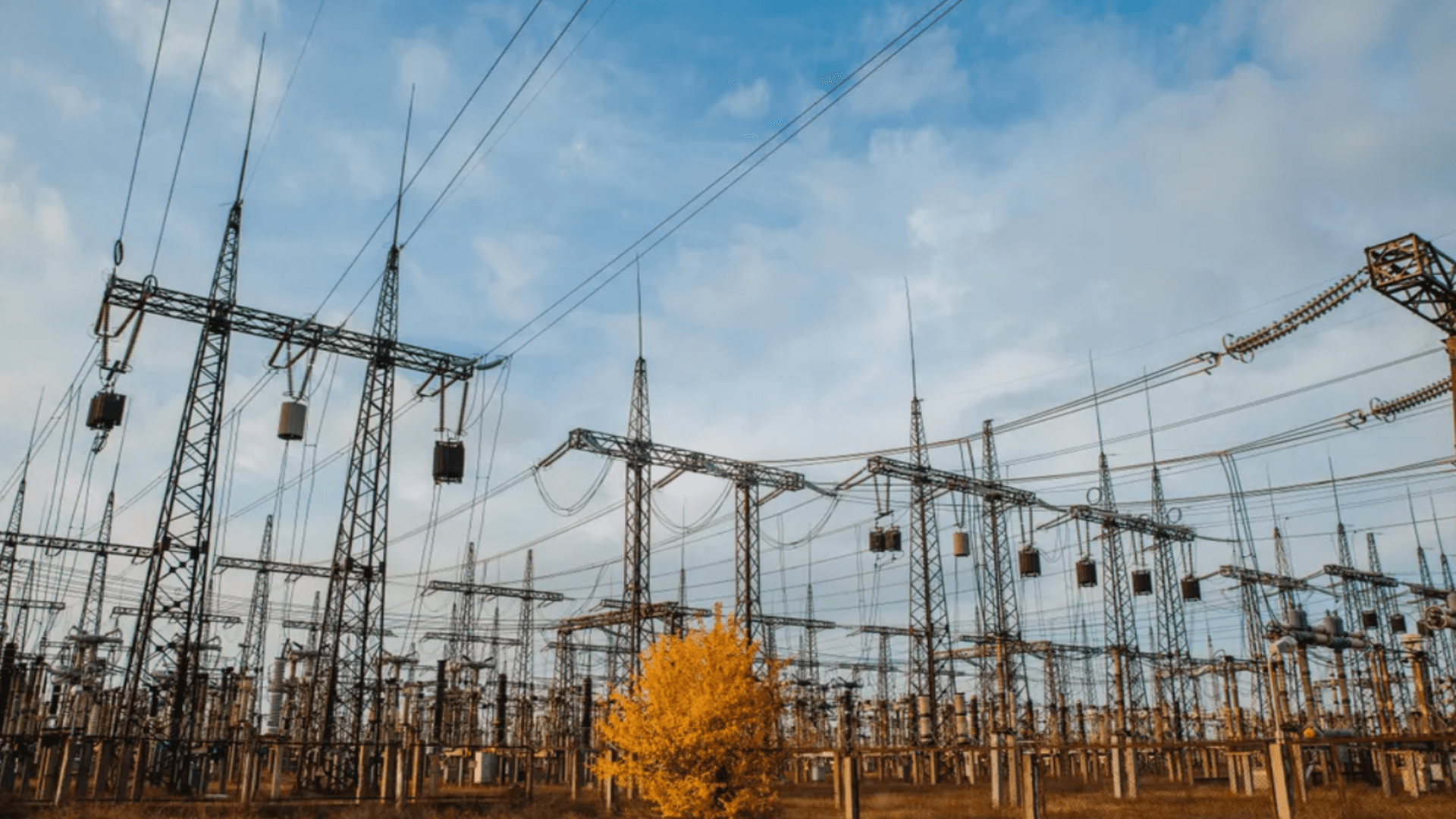
Energy startup Kevala is using AI-driven digital twins and granular grid data to identify 300GW of latent capacity in the US power grid. This approach aims to reduce the need for physical transmission infrastructure and help meet the rising electricity demands of data centers, including those powering AI and streaming infrastructure.
The discovery suggests that the primary bottleneck for data center expansion—including streaming and AI infrastructure—is a visibility crisis rather than a lack of physical wires. If even a fraction of this 300GW is validated, it provides a crucial bridge for hyperscalers facing multi-year delays for new high-voltage transmission projects. For the streaming ecosystem, this could stabilize surging operational costs and prevent localized outages caused by power density spikes in regional hubs. Watch for Federal Energy Regulatory Commission (FERC) technical conferences to determine if these AI-driven dynamic ratings will be adopted as regulatory standards for US grid operators.
The pressure to modernize grid visibility comes as the U.S. interconnection queue reached a staggering 2,600 GW backlog by early 2026, per Enkia. Media reports from June 2026 indicate that median wait times for new capacity to reach commercial operation now approach five years, with high-growth data center projects in regions like Virginia and Texas facing potential delays of up to 12 years. In response, the Federal Energy Regulatory Commission (FERC) issued six show-cause orders on June 18, 2026, compelling regional grid operators to justify or reform their large-load connection rules within 60 days to better accommodate AI-driven demand.
Simultaneously, the U.S. Department of Energy (DOE) launched the $1.9 billion 'Speed to Power through Accelerated Reconductoring and other Key Advanced Transmission Technology Upgrades' (SPARK) initiative in March 2026. Per the DOE, this program specifically prioritizes 'smart grid' technologies, including AI software tools that enable real-time monitoring and optimization of existing assets. These federal moves align with Kevala’s approach, shifting focus from expensive new builds to maximizing the current infrastructure stack.
The stakes are high for digital infrastructure providers, as PJM Interconnection reported in July 2026 that surging data center demand helped drive supply costs for its 13-state region up by 60%, totaling $16.4 billion in its latest capacity auction. According to Bloomberg, data centers alone accounted for $6.3 billion of that burden. As hyperscalers like Microsoft and Google pivot toward on-site nuclear and geothermal power to bypass grid congestion, software solutions that can accurately reclaim lost headroom represent a primary strategy to lower the levelized cost of energy in a saturated market.
Add StreamingMeme as a preferred source on Google to see more of our streaming news at the top of your Search results.
Add as preferred source