

ITV News uses generative AI to reconstruct locations and performances
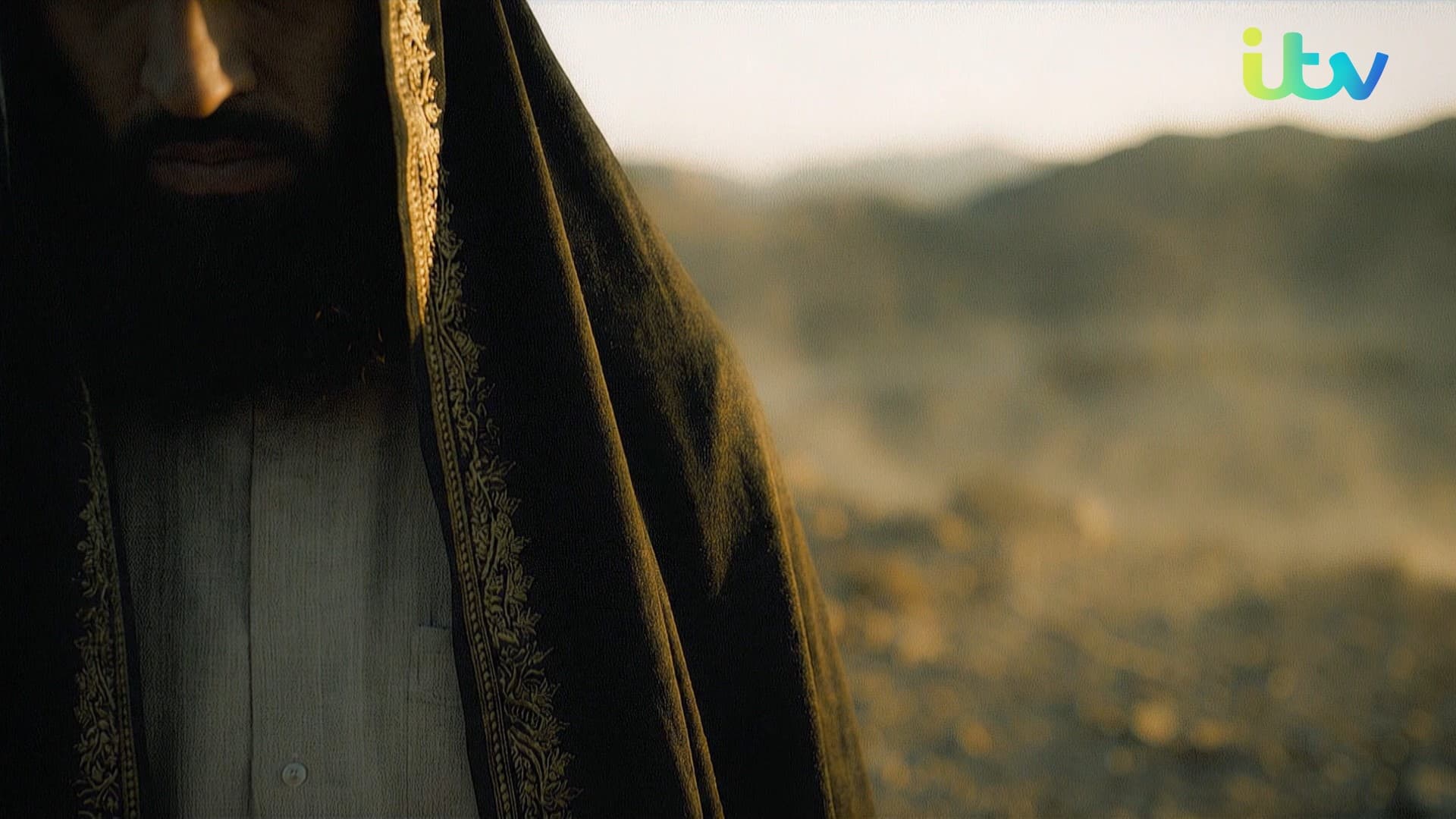
ITV News has utilized generative AI technology from startup Twinnin to recreate scenes and locations for the documentary series Exposure. The production leveraged licensed performer likenesses to create stylized characters, opting for a human-inclusive creative process amid broader industry debates regarding AI in media production.
Key Takeaways
- ITV and ITN partnered with UK-based startup Twinnin to license and monetize actor likenesses for the documentary Terror In The Skies: The Liquid Bomb Plot.
- AI VFX artist Andrew Evans used prompts to transform actor features into 'stylized characters' rather than exact digital clones.
- Generative tools reconstructed high-risk areas in northwestern Pakistan, formerly known as the Federally Administered Tribal Areas, where Al Qaeda operated camps.
- All performers who consented to AI likeness processing will receive formal end-titles credits.
Why It Matters
The use of generative AI in current affairs highlights a strategic pivot toward using synthetic media as a factual reporting tool rather than just a cost-cutting measure for drama. By licensing likenesses and stylizing the output, ITV establishes a template for 'responsible use' that preserves human employment while bypassing the logistical hurdles of filming in hazardous regions. This move signals a broader acceptance of AI-augmented reconstructions in streaming journalism, provided there is transparency in the production process. Watch for more broadcasters to seek similar licensing frameworks as they move from pilot experiments to standardized AI-inclusive workflows.
Additional Context
The rollout of AI-augmented reporting follows a trend of UK broadcasters establishing specific ethical frameworks for synthetic content. Per BroadcastNow, the BBC issued guidelines in January 2025 requiring total transparency to ensure audiences never feel misled by AI applications. While the BBC initially prohibited generative AI for creating core news content, other broadcasters like Channel 4 announced in May 2025 that they would use AI to assist in reconstructing events and disguising anonymous interviews, provided the technology serves the story and maintains individual integrity.
Contemporaneous regulatory efforts are also shaping how broadcasters manage performer rights. Per legal reporting from July 2026, the U.S. Senate Judiciary Committee advanced the NO FAKES Act to create a federal framework for unauthorized AI-generated replicas, making digital likenesses a core negotiation point in entertainment contracts. Similarly, Netflix disclosed in its Q2 2026 shareholder letter that it now requires enhanced review and written approval for any production involving actor likenesses or personal data, noting that roughly 300 of its titles had utilized generative AI during the year.
The use of AI for forensic reconstruction in the 'Liquid Bomb Plot' documentary also mirrors historical successes of the technology in this specific investigation. Per ADS Group reporting, original intelligence efforts used natural language processing from Basis Technology to foil the 2006 plot by intercepting communications. The shift from using AI as a surveillance tool to help stop the event to using it as a production tool to visualize it highlights a full-circle integration in the documentary's lifecycle.
Read full article at tvbeurope.com
Enjoy our coverage?
Add StreamingMeme as a preferred source on Google to see more of our streaming news at the top of your Search results.
Add as preferred source