

ITV deploys 60-year-old 16mm cameras for retro 2026 World Cup titles
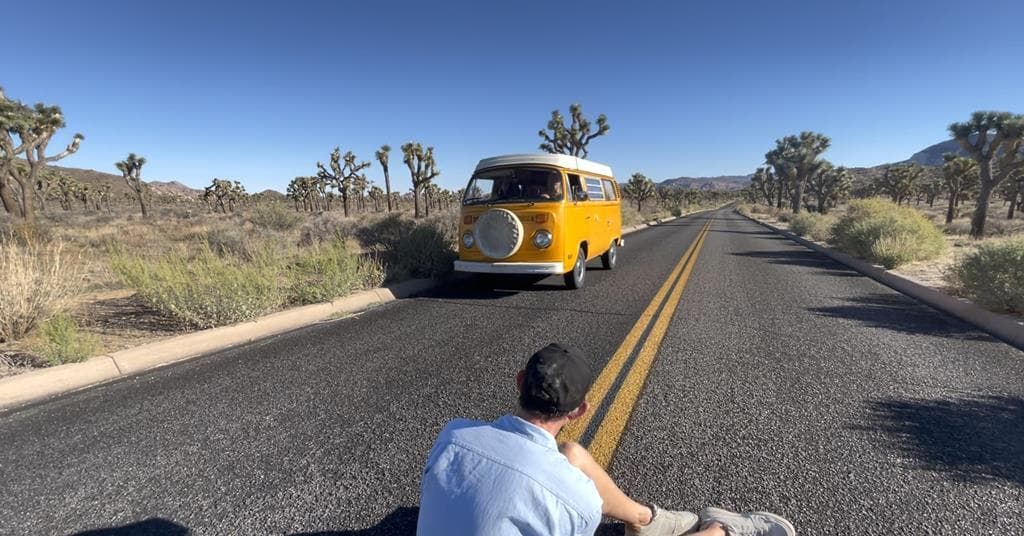
ITV produced its 2022 World Cup titles using 16mm film footage and bespoke animation to achieve a distinctive analogue aesthetic. Noah Media's John McKenna details the production process, involving a North American road trip and a 60-year-old Bolex 16mm camera to capture the film's stunning visuals. The creative team aimed for an epic, authentic, and handcrafted feel for the broadcast, integrating historical commentary and carefully timed edits.
Key Takeaways
- Production team Noah Media Group utilized a 60-year-old Bolex 16mm camera to bypass typical animation-led broadcast trends.
- The sequence features 'Life Is A Highway' by Rascal Flatts, securing licensing through Universal Music to target multi-generational nostalgia.
- Integrated archival footage spans 50 years of ITV commentary, including legendary voices Huw Johns and Brian Moore intercut with modern 16mm shots.
- The 160 specific project deliverables include break bumpers and social media content filmed across the U.S., Mexico, and Canada.
Why It Matters
Broadcasters are under intense pressure to differentiate their multi-platform identity as global competition for live sports attention scales. By adopting an analogue-first production strategy, ITV is attempting to break through the saturation of high-gloss CGI that dominates modern sports trailers. This artisanal approach serves a dual purpose: it grounds the tournament in a physical sense of place across North America and leverages the perceived authenticity of film to connect archival heritage with current stars. For the streaming ecosystem, it signals a shift toward high-concept, serialized marketing assets that transition seamlessly from linear broadcasts to social-first vertical video. Watch for audience engagement metrics on ITVX to see if this retro-aesthetic strategy successfully drives younger demographics toward long-form match coverage.
Additional Context
The 2026 World Cup marks a significant operational pivot for UK broadcasters as they navigate the extreme logistics of a 104-match tournament. Per The Guardian and The Mirror in June 2026, ITV has invested heavily in a rooftop studio in Brooklyn, New York, featuring a live Manhattan skyline backdrop to host pundits like Roy Keane and Ian Wright. This on-site commitment stands in sharp contrast to the BBC, which is primarily basing its presentation team in Salford, Manchester, until the knockout stages. The BBC is using virtual backdrops and an 'immersive' LED-driven studio to bridge the geographical gap, a move cited as a cost-saving and sustainability measure amid tightening budgets.
The competition for ratings is particularly high given historical data from the 2022 World Cup. Per The Guardian, the BBC dominated that tournament's final with 15 million viewers compared to ITV's 4.3 million. To close this gap, ITV is leveraging its New York presence to generate exclusive travelogues and social-first documentaries. Meanwhile, the BBC has secured the rights to 54 matches—three more than ITV—but ITV holds critical early-tournament assets, including England's opening match against Croatia on June 17, 2026.
Technological scale is also reaching new heights for the 2026 edition. Per industry reports from FSRE and Feed Magazine in May 2026, the Host Broadcasting Services (HBS) will distribute live feeds from 16 host cities using up to 45 cameras per match, including AI-powered stabilization and 5G-enabled referee body cameras. Broadcasters are increasingly using hybrid cloud workflows to process these massive data volumes, allowing them to scale resources dynamically across the 39-day tournament schedule while supporting UHD and 4K distribution for global partners like Fox Sports and NBCUniversal.
Read full article at broadcastnow.co.uk
Enjoy our coverage?
Add StreamingMeme as a preferred source on Google to see more of our streaming news at the top of your Search results.
Add as preferred source