

India Minister signals new AI law to replace dated IT Act
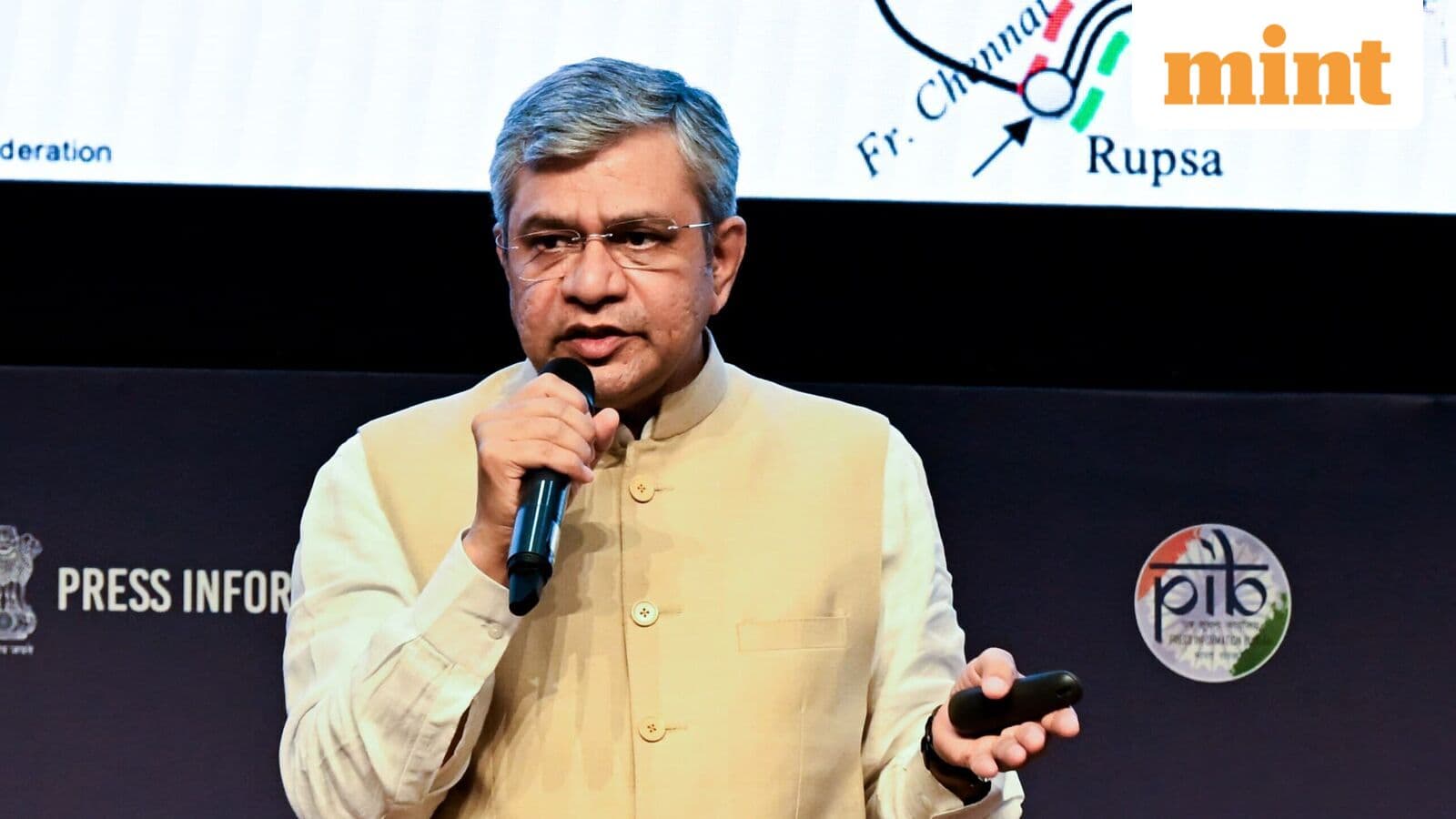
India's Union Minister Ashwini Vaishnaw stated that while the IT Act, 2000, offers safeguards against AI harms, a new AI-specific legal framework might be necessary. This potential new framework could introduce additional compliance complexities for streaming platforms and AI service providers due to layered obligations beyond existing intermediary rules.
Key Takeaways
- IT Act, 2000 intermediaries must currently remove non-consensual sexual content within two hours of notification.
- Union Minister Ashwini Vaishnaw stated the existing 26-year-old legal framework predates the rapid emergence of generative AI.
- Proposed rules may introduce tiered compliance for AI models based on risk-based categorization and safety testing.
- Compliance windows for general unlawful content are currently set at three hours for removal following government or court orders.
Why It Matters
A dedicated AI law in India will create a more complex regulatory environment for streaming platforms that use AI for content personalization, moderation, or generation. Immediate implications include stricter SLAs for synthetic content removal and potential mandates for model provenance and metadata tagging. For the global ecosystem, this signals India’s pivot toward a risk-based regulatory model similar to the EU AI Act, potentially fragmenting the operational requirements for multinational tech providers. Watch for the release of a formal draft of the Digital India Act, which is expected to house these new AI-specific provisions.
Additional Context
The push for a new framework follows the February 2026 amendment to India's IT Rules, which formally defined "synthetically generated information" (SGI) and mandated that platforms clearly label AI-altered content. Per White & Case (April 2026), these rules now require that such labels remain visible throughout the entire duration of a video's display to prevent the spread of deepfakes and misinformation. These intermediary obligations are increasingly being used as the enforcement backbone until more comprehensive legislation is finalized.
Simultaneously, the Indian government has finalized the Digital Personal Data Protection (DPDP) rules as of June 2026. Per NewsonAir (June 2026), Minister Vaishnaw confirmed that over 3,000 rounds of consultations were held to align data privacy with the country’s broader AI Mission. The DPDP framework will work in tandem with any new AI statute, specifically targeting how personal data is processed for model training and automated decision-making, which has direct implications for streaming recommendation engines.
Institutional oversight is also maturing. Per Biometric Update (November 2025), India has proposed the creation of an AI Safety Institute (AISI) to conduct technical evaluations and an AI Governance Group (AIGG) to coordinate policy across sectors. This move toward specialized agencies suggests that future regulation will move away from a one-size-fits-all intermediary label toward a system of graded liability, where high-risk AI applications face more stringent auditing and conformity assessments before they can be deployed to Indian users.
Read full article at letsdatascience.com
Enjoy our coverage?
Add StreamingMeme as a preferred source on Google to see more of our streaming news at the top of your Search results.
Add as preferred source