

Google Gemini adds SynthID video verification to navigate synthetic media laws
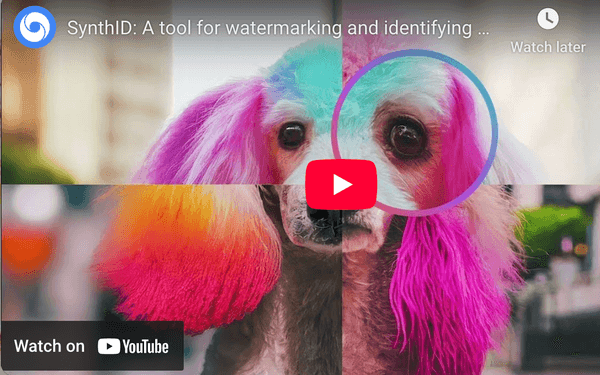
Google has integrated a SynthID watermark checker into its Gemini app, enabling it to identify videos generated or modified by Google AI. This feature addresses brand safety and fraud prevention concerns in digital advertising by allowing media buyers to verify AI-generated content. The capability aligns with increasing legal requirements for disclosing synthetic media in advertising, such as New York's Synthetic Performer Disclosure Bill.
Key Takeaways
- Gemini can now verify videos up to 90 seconds and 100 MB for SynthID watermarks.
- The tool provides specific timestamps (e.g., 0:00 to 0:07) indicating where AI-generated audio or visual elements occur.
- Verification helps advertisers satisfy New York's law requiring 'conspicuous disclosure' of synthetic performers.
- Media buyers can use these forensic details to isolate AI-generated segments for brand safety and fraud prevention reporting.
Why It Matters
The integration essentially turns Gemini into a compliance auditor for the growing synthetic media market. By providing granular identification of AI-altered segments, Google is establishing the technical baseline for mandatory transparency as state-level regulations begin to carry civil penalties. For the streaming ecosystem, this shifts AI watermarking from a voluntary ethical choice to a necessary part of the advertising supply chain. Watch for similar forensic verification tools to launch within TikTok and Meta’s ad managers to standardize cross-platform AI disclosures.
Additional Context
At Google I/O in May 2026, the company announced that more than 100 billion images and videos have already been watermarked with SynthID since its inception, according to Alphabet CEO Sundar Pichai. This massive expansion includes partnerships with OpenAI, NVIDIA, ElevenLabs, and Kakao to adopt SynthID as a cross-industry standard for resilient watermarking. Unlike C2PA metadata, which records a file's full edit history but is easily stripped during social media re-uploads, SynthID’s imperceptible pixel-level changes are designed to survive compression and screenshots, per CNET and Mashable reports from June 2026.
Simultaneously, the regulatory environment has tightened significantly. New York’s first-in-the-nation Synthetic Performer Disclosure Bill officially went into effect on June 9, 2026, imposing civil penalties of up to $5,000 for repeat violations if advertisers fail to label AI-generated human stand-ins. Beyond US shores, the EU AI Act's enforcement deadline set for August 2, 2026, is pushing global platforms to implement machine-readable markers and visible labeling for all high-risk synthetic content, per McDermott Will & Emery and European regulatory filings. This dual-layer approach of using both C2PA for detail and SynthID for durability is now the emerging industry standard for verifying provenance.
Read full article at mediapost.com
Enjoy our coverage?
Add StreamingMeme as a preferred source on Google to see more of our streaming news at the top of your Search results.
Add as preferred source