
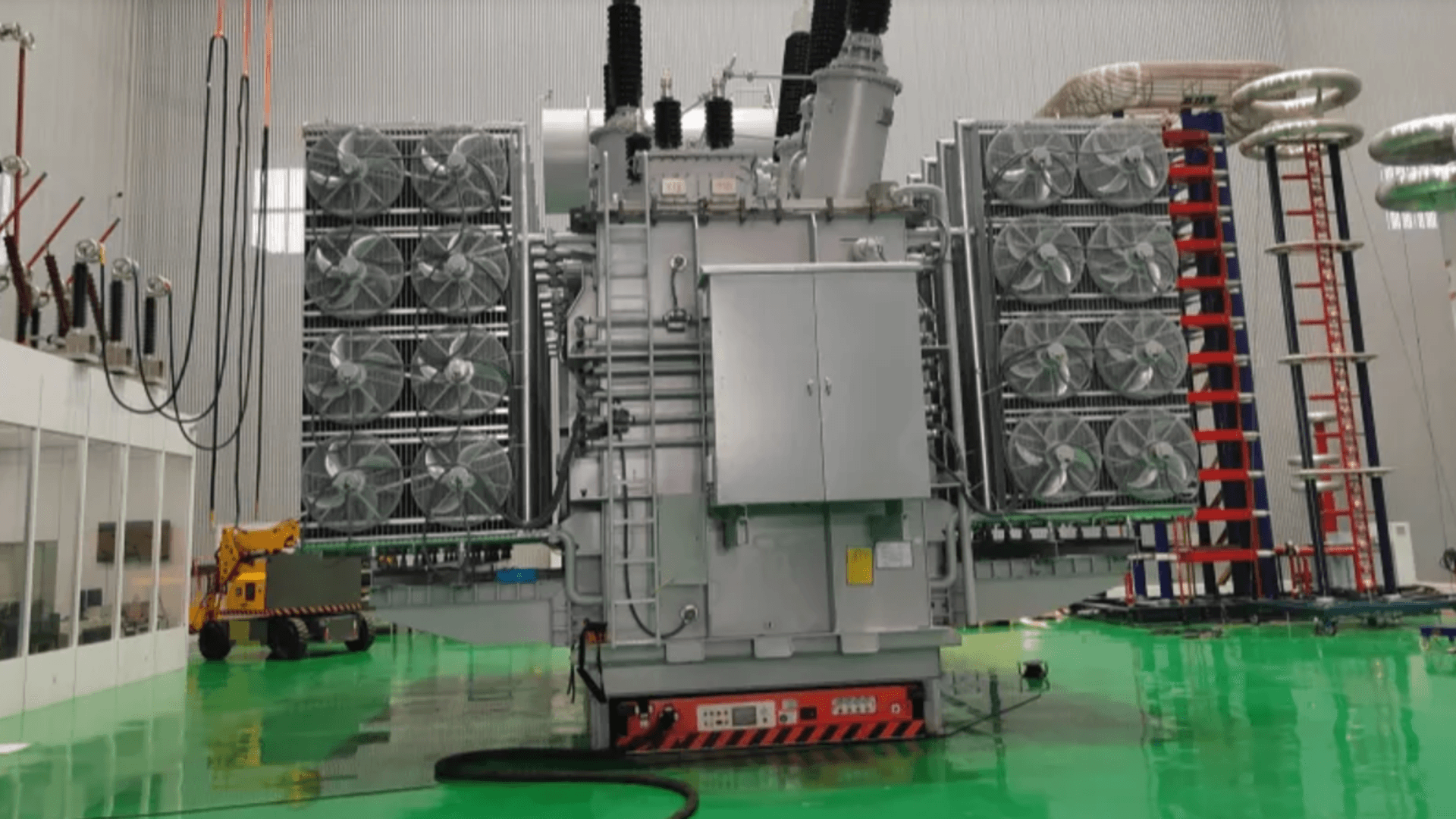
A global shortage of power transformers, caused by rising energy demands from hyperscale AI data centers and aging infrastructure, has resulted in delivery lead times of up to four years in North America and Europe. This logistical bottleneck threatens the stability of regional power grids and poses risks to the expansion capacity of major streaming infrastructure and data center operators.
Immediate shortages in heavy electrical equipment concretely limit the expansion of hyperscale data centers that power massive video distribution networks. As streaming providers increasingly integrate AI into their tech stacks, the physical inability to power new server racks creates a hard ceiling on growth that capital alone cannot fix. This infrastructure bottleneck shifts the competitive advantage toward operators who secured long-term equipment contracts or independent power generation before 2024. Watch for a rise in secondary-market equipment pricing and a shift in data center site selection toward regions with existing surplus grid capacity.
The transformer shortage is now the primary gating factor for a global data center pipeline facing massive delays. Per Bernstein (July 2026), roughly 35-40% of announced global data center capacity is currently at risk of delay or cancellation due to bottlenecks in grid connections and electrical hardware. In the United States, research from Wood Mackenzie (July 2026) indicates that generator step-up transformer lead times exceeded 160 weeks in the first quarter of 2026, while costs for power transformers have surged approximately 77% since 2019. This supply-demand mismatch is expected to persist through at least 2028 before new manufacturing capacity provides significant relief.
Energy constraints are already impacting operational status for major cloud providers. Per The Guardian (July 2026), about half of the 250 data center projects requiring over 100MW announced between 2021 and 2024 are expected to face delays. This has led to extreme utility queue times; in the Northern Virginia market, vacancy rates for powered shells hit a record low of 0.3% in mid-2026, according to CBRE (June 2026). In response, hyperscalers like Google and Microsoft are moving toward power independence. Per IEA data (April 2026), developers are increasingly advancing projects with onsite natural gas generation or conditional small modular reactor (SMR) nuclear agreements to bypass the four-year wait for grid-tie equipment.
Add StreamingMeme as a preferred source on Google to see more of our streaming news at the top of your Search results.
Add as preferred source