
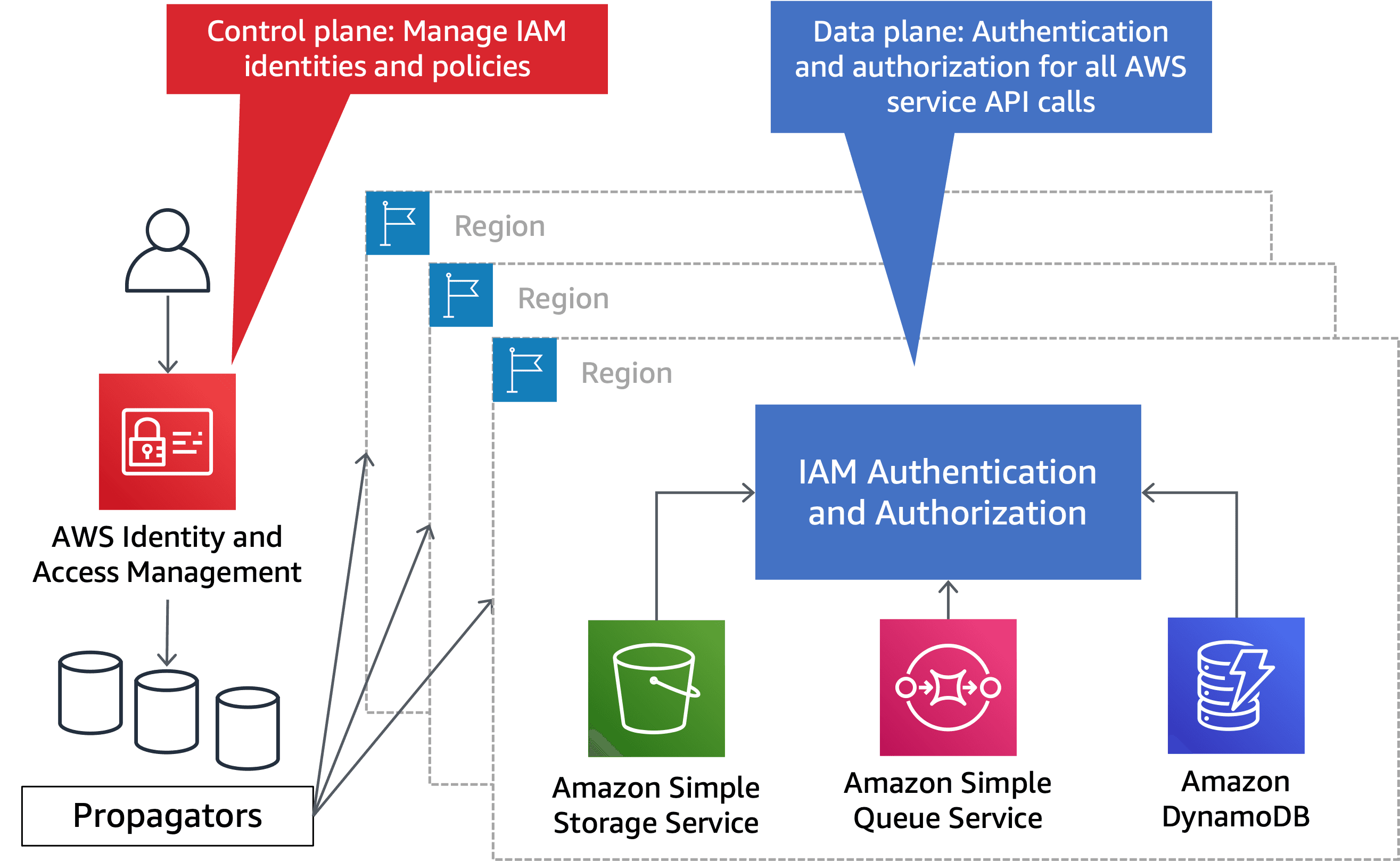
This article from AWS discusses the architecture of global AWS services, distinguishing between their control planes and data planes within the context of fault isolation. It categorizes global services into 'unique by partition' and 'edge network' types, as well as 'global single-Region operations', and provides recommendations for building resilient high availability (HA) and disaster recovery (DR) mechanisms by reducing dependencies on control planes during recovery events.
The immediate takeaway is operational: AWS is telling teams to design failover so they do not need a live global control plane to recover. That matters across the streaming stack because DNS, load balancing, object storage, and edge delivery often sit in the recovery path, and AWS explicitly calls out Route 53, S3, CloudFront, ELB, API Gateway, and STS dependencies. The next signal to watch is whether your own DR runbooks still require creating DNS records, bucket changes, or edge endpoints during an outage.
Add StreamingMeme as a preferred source on Google to see more of our streaming news at the top of your Search results.
Add as preferred source