

German telcos lobby for 600 MHz spectrum reallocation by 2031
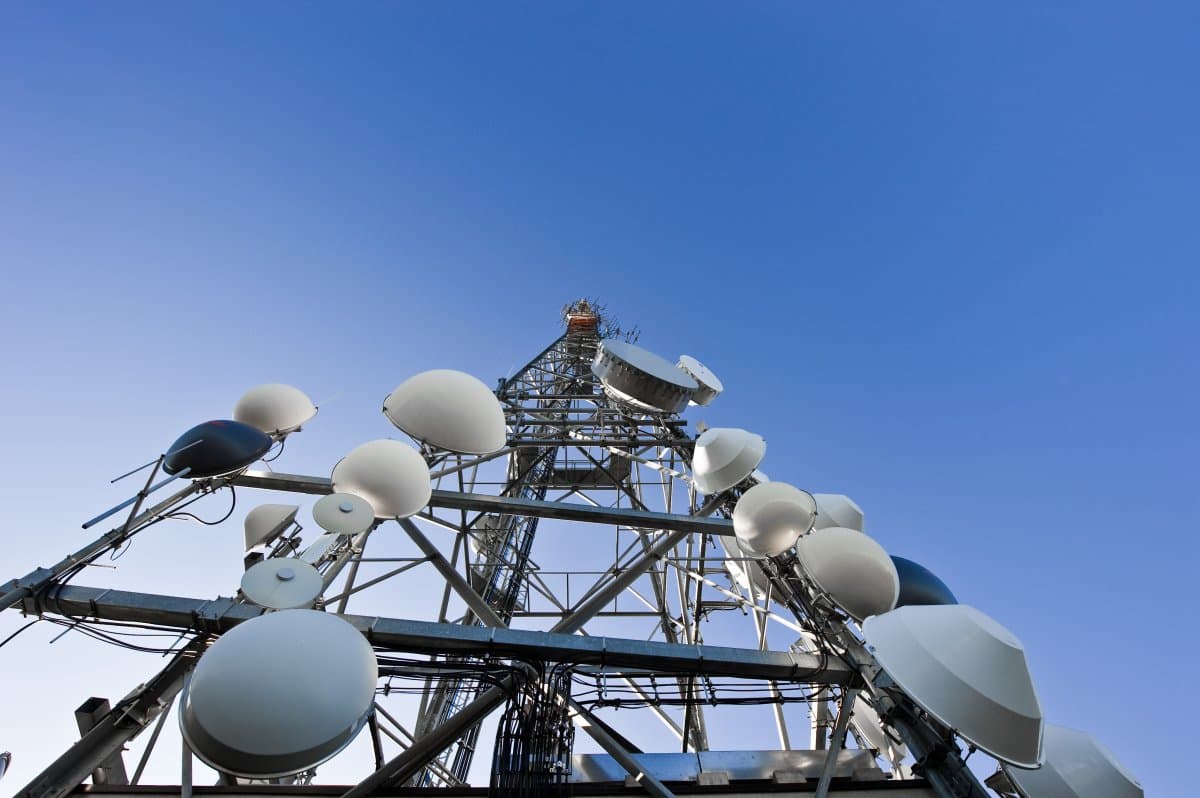
Mobile network operators in Germany are lobbying for the reallocation of the 600 MHz UHF band from terrestrial broadcasting to 5G mobile use by 2031 to optimize rural coverage and reduce infrastructure costs. The proposed transition faces significant opposition from terrestrial broadcasters, the military, and event production technicians who rely on the spectrum for wireless audio equipment.
Key Takeaways
- Mobile operators could save roughly 850 million euros each by reducing base station requirements through high-penetration 600 MHz frequencies.
- Terrestrial television DVB-T2 serves only 2.33 million German households, leading telcos to argue current spectrum usage is inefficient.
- Event technicians and the initiative 'SOS – Save Our Spectrum' claim strong military signals in the band could disrupt wireless microphones at live events.
- Proposed LTE-Advanced Band 71 would utilize 617-652 MHz for downlink and 663-698 MHz for 5G uplink.
Why It Matters
The reallocation moves the industry closer to an all-IP delivery model by potentially retiring legacy DVB-T2 infrastructure in favor of 5G-based terrestrial distribution. This pivot specifically addresses the 'white spot' coverage gap in rural regions, where the wall-penetrating characteristics of low-band spectrum provide a critical cost advantage for 5G ROI. Within the broader ecosystem, this creates a blueprint for European regulators to prioritize mobile broadband over linear broadcast as cord-cutting settles into fixed terrestrial markets. Stakeholders should monitor the German Federal Network Agency's 2026 proceedings for technical coexistence rules that may limit 600 MHz availability.
Additional Context
The push to refarm the 470–694 MHz range gained significant momentum following the World Radiocommunication Conference 2023 (WRC-23). At that meeting, ITU members established a secondary mobile allocation for the band in Europe, which allows countries to deploy 5G services provided they do not interfere with primary broadcasting users. Per Access Partnership (February 2024), this outcome created a complex regulatory patchwork across the EU, as countries like Italy and Spain recently upgraded DTT systems while Nordic nations and Switzerland moved toward mobile-first strategies. This divergence is driving the 2025-2026 review period where the European Commission is assessing future UHF usage.
Simultaneously, the German Federal Network Agency (BNetzA) has already linked future spectrum strategy to aggressive digital goals. Per BNetzA (March 2025), current spectrum rights for the 800 MHz, 1800 MHz, and 2600 MHz bands were extended by five years as an interim measure to align expiration dates and prepare for a massive competitive retendering in 2029. This extension includes strict coverage obligations requiring 99.5% area coverage of 50 Mbps by 2030, a target that mobile operators claim is only feasible if low-band UHF frequencies are eventually added to their 5G portfolio.
Further complicating the transition is the rise of 5G Broadcast as a potential successor to DVB-T2. Per Telecompaper (December 2022), German public broadcasters plan to introduce 5G NR broadcast from 2027/2028, aiming for a complete direct-to-mobile transition after 2030. This standard allows media delivery to smartphones without a SIM card, potentially bridging the gap between traditional broadcasting and mobile interests. However, per Critical Communications Review (February 2026), public safety organizations (BOS) are also demanding a dedicated 60 MHz block in the same UHF range for mission-critical broadband, setting the stage for a four-way conflict between media, mobile, military, and emergency services.
Read full article at heise.de
Enjoy our coverage?
Add StreamingMeme as a preferred source on Google to see more of our streaming news at the top of your Search results.
Add as preferred source