
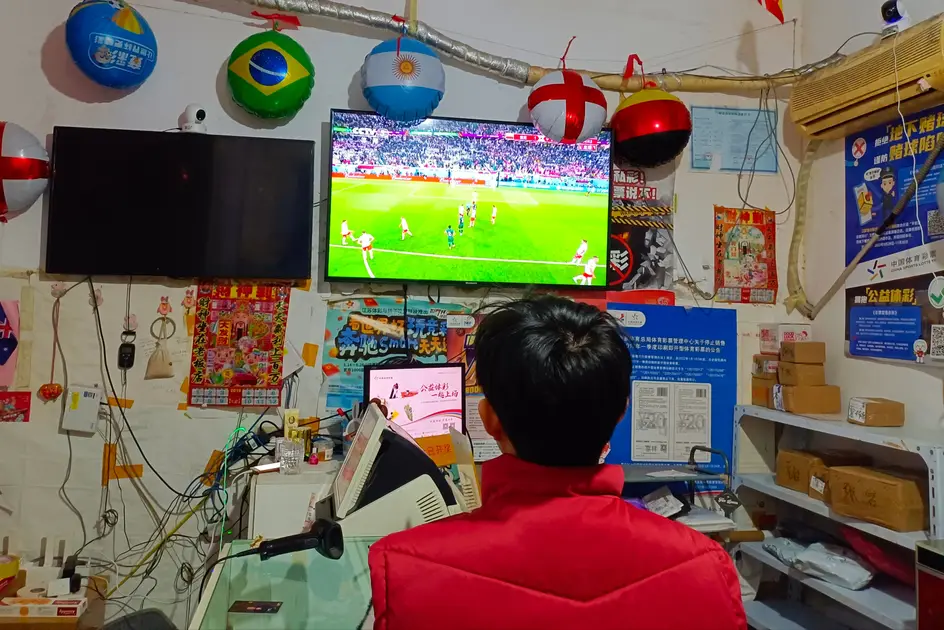
FIFA is reducing broadcast rights prices for the 2026 World Cup in Asian markets like India and China due to unfavorable time zones, with deals dropping significantly. Despite these regional challenges and piracy issues, FIFA expects record overall broadcast revenue, driven by lucrative deals in North America and Europe and the tournament's expanded match schedule.
The challenges FIFA faces in securing high-value broadcast deals in major Asian markets highlight the impact of time zone differences on content monetization and the persistent threat of piracy. This situation underscores how local viewing habits and distribution complexities can significantly alter global content rights valuations, even for premium sports. Companies distributing content globally must account for regional market dynamics, including time shifts and piracy, which directly affect potential revenue. Look for continued adjustments in rights valuations for major international events as distributors navigate fragmented global audiences and evolving consumption patterns.
FIFA's struggle to finalize World Cup 2026 broadcast deals in India and China persisted until weeks before the tournament's kickoff. As SportsPro reported in May 2026, FIFA had initially aimed for $100M in India, while China's CCTV had yet to secure a deal. The merger of Reliance and Disney's broadcast assets in India created Jio Hotstar, which reportedly offered only $20M for the rights, leading to protracted negotiations (Reuters, May 2026). Al Jazeera noted in May 2026 that only 14 out of 104 matches would begin before midnight in India due to the 10-12 hour time difference from North American host cities, significantly impacting broadcaster interest. Cricket dominates the Indian sports economy, further reducing FIFA World Cup's projected viewership and advertising value there (Al Jazeera, May 2026). Ultimately, India's Zee Entertainment signed a deal with FIFA on June 1, 2026, though financial terms were not disclosed it was understood to be closer to FIFA's reduced asking price of $60M for the 2026 and 2030 tournaments (Al Jazeera, June 2026). In India, the Delhi High Court granted Zee an interim injunction against pirate streaming websites, protecting its newly acquired broadcast rights and extending protection to future mirror sites (Medianama, June 2026). The court order also noted FIFA's new partnership with YouTube, allowing official media partners to publish highlights and stream selected matches with geo-blocking in place (Medianama, June 2026).
Add StreamingMeme as a preferred source on Google to see more of our streaming news at the top of your Search results.
Add as preferred source