
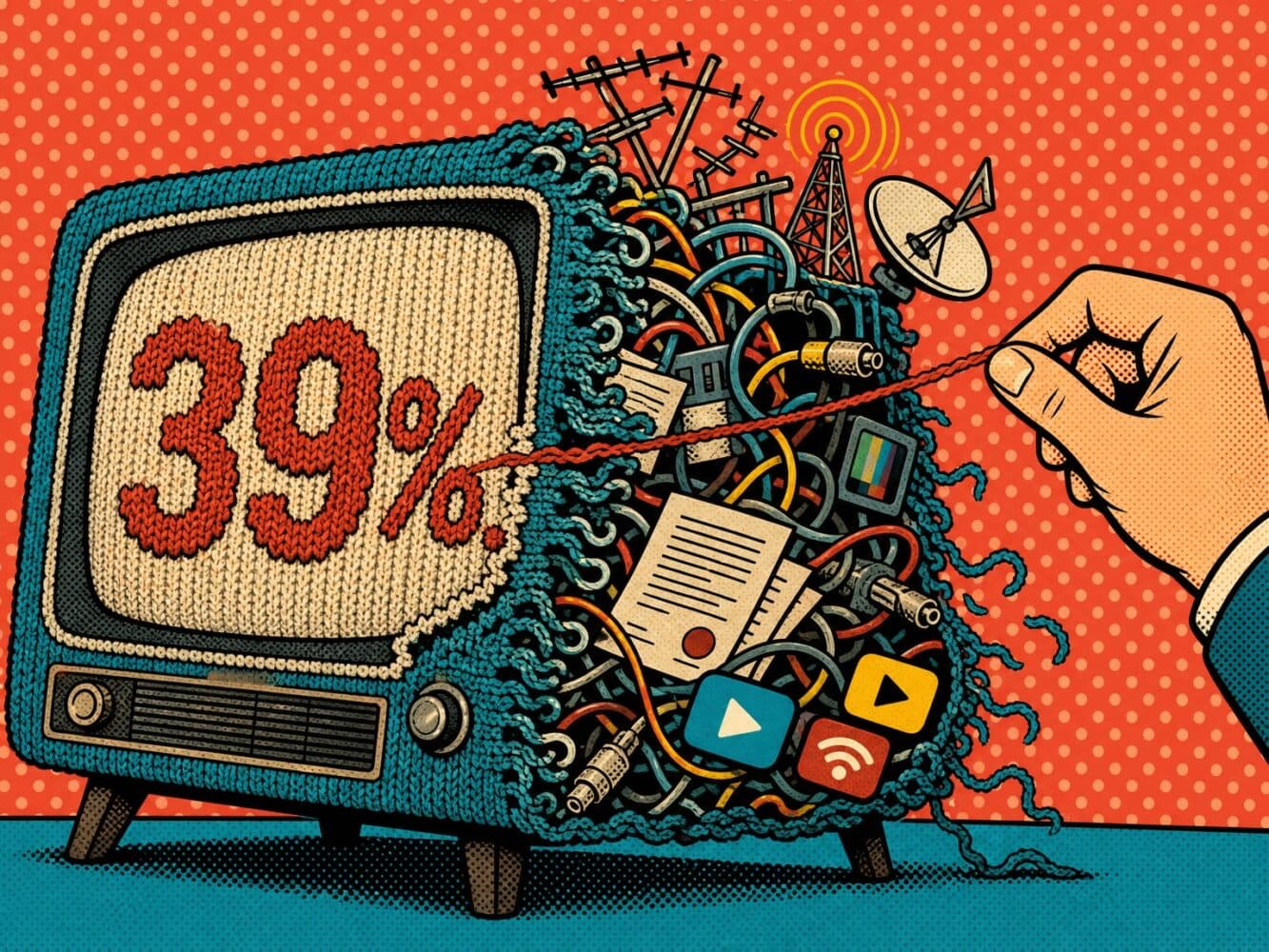
The FCC is signaling interest in repealing the 39% national broadcast ownership cap, a move intended to help local station groups compete more effectively against national streaming and vMVPD platforms. Industry analysts argue that any transition should include comprehensive reform of retransmission consent and must-carry rules to ensure consolidated bargaining power does not create new market distortions.
Lifting the ownership cap would allow station groups to achieve the scale necessary to distribute the fixed costs of local journalism and production infrastructure, positioning them as viable alternatives to digital giants. However, this shift risks concentrating bargaining power, potentially leading to higher retransmission fees that distributors pass to consumers. The industry transition from a 'scarcity' model to one of digital abundance necessitates a holistic regulatory approach that links ownership limits with carriage rules. Watch for the August 6 commission vote and subsequent legal challenges from consumer advocacy groups like the American Television Alliance.
The FCC's move arrives amid significant market shifts and a tightening legal landscape for federal agencies. According to Nielsen's June 2024 report of The Gauge, streaming reached a record 40.3% share of total TV usage, while broadcast viewing claimed 20.5%. By July 2025, per Nielsen and The Desk, broadcast's share fell further to 18.5%, marking the first time the category dipped below the 20% threshold. These figures fuel arguments from broadcasters like Nexstar and Sinclair that legacy ownership caps are obsolete in a market where YouTube and Netflix operate with unlimited national reach.
Legal authority for the repeal remains a primary point of friction following the Supreme Court's June 2024 decision in Loper Bright Enterprises v. Raimondo, which ended Chevron deference. Per Davis Polk and Alston & Bird reports from 2025 and 2026, courts are now exercising independent judgment to determine if agencies have exceeded their statutory authority. This is particularly relevant given that Congress specifically excluded the 39% cap from the FCC’s quadrennial review process in 2004. Opponents, including the American Television Alliance, have already signaled that a vote to eliminate the cap would likely be challenged as an unlawful move that only Congress can authorize.
Simultaneously, the impact on carriage negotiations is a critical concern for distributors. Recent analysis from the International Center for Law & Economics in November 2025 suggests that the FCC should pair ownership deregulation with reforms to retransmission consent to prevent a 'multiplier effect' in fees during broadcaster acquisitions. As noted by NewscastStudio, larger broadcaster groups are often correlated with more frequent programming blackouts. To mitigate this, some commissioners, including Brendan Carr, have suggested reclassifying virtual MVPDs as traditional distributors to ensure affiliates can negotiate directly for digital carriage rights.
Add StreamingMeme as a preferred source on Google to see more of our streaming news at the top of your Search results.
Add as preferred source