
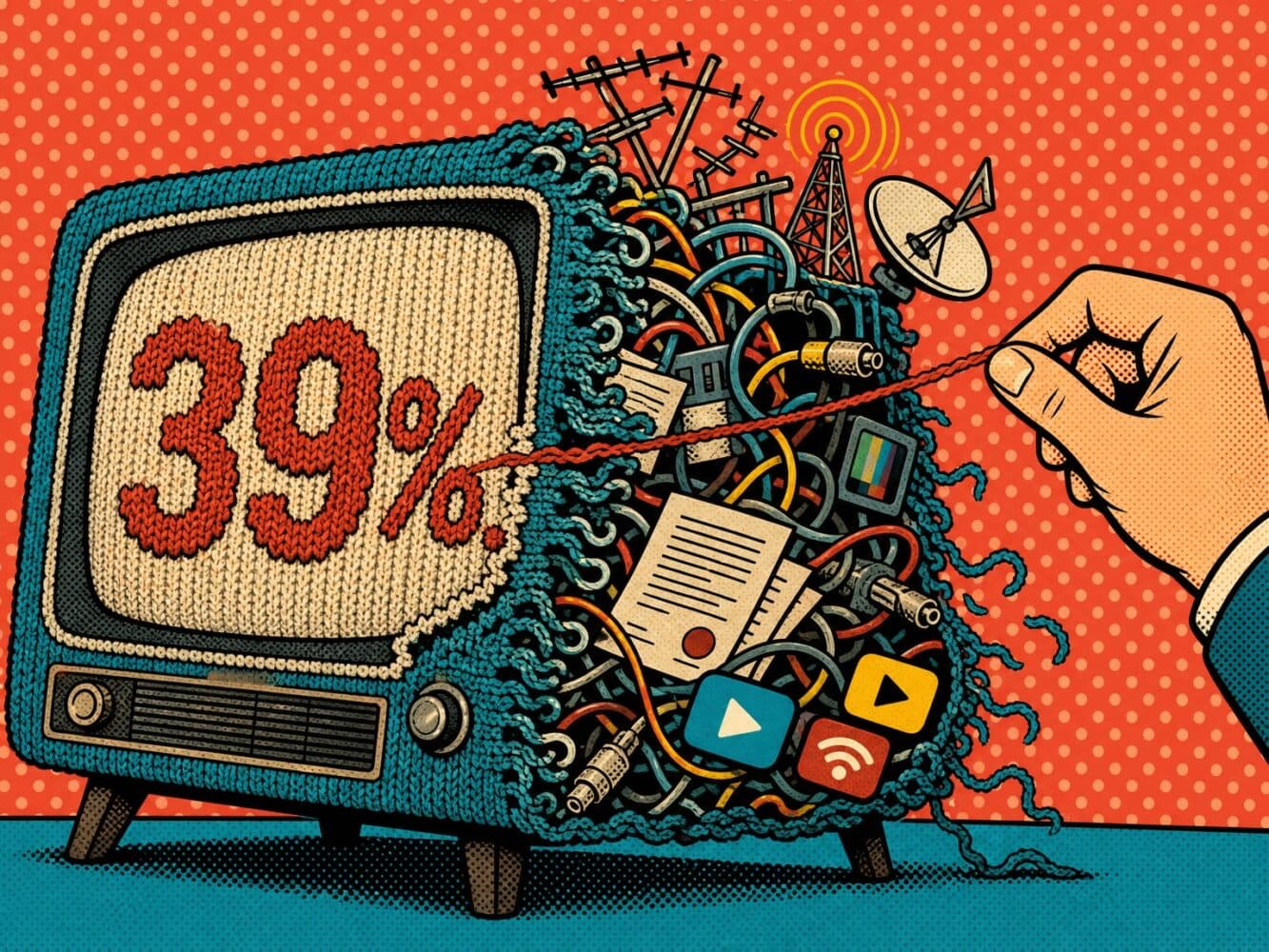
The FCC is considering repealing the 39% national broadcast ownership cap to enable station groups to better compete with streaming platforms and vMVPDs. Experts argue that removal of the cap must be accompanied by broader reforms to retransmission consent and carriage rules to avoid market distortions.
Lifting the cap provides a path for massive consolidation among station groups seeking scales comparable to Netflix or YouTube. By moving to case-by-case review, the FCC essentially opens the door for national broadcast 'mega-mergers' that were legally impossible for twenty years. However, without accompanying reforms to retransmission consent, this shift may significantly increase the leverage of large station groups in carriage negotiations, potentially leading to higher fees or more frequent blackouts for MVPDs and vMVPDs. Watch for immediate legal challenges from consumer advocacy groups and potential legislative friction if the FCC moves to override the statutory 39% threshold.
The FCC's move to a case-by-case review follows a significant draft Report and Order released on July 16, 2026. This draft argues that ex ante limitations are no longer necessary in a media marketplace where consumers increasingly favor streaming. Per FCC filings from July 2026, the commission now intends to weigh the benefits of proposed deals—such as improved resources for local news—against risks like job losses or inflated retransmission consent fees. This shift is particularly timely as streaming consumption recently reached roughly 48.6% of total TV viewing time, according to Nielsen data cited in the policy debate.
The regulatory landscape has been further complicated by recent judicial actions. Per Wiley Law in July 2026, the FCC refreshed its record after a seven-year dormancy, signaling a more aggressive deregulatory stance. This aligns with a July 2025 decision by the Eighth Circuit Court of Appeals in Zimmer Radio, which vacated the FCC's 'top-four' local ownership rule and affirmed the deregulatory mandate of the 1996 Telecommunications Act. Commissioner Brendan Carr has frequently emphasized that while national programmers can reach 100% of the country, broadcasters remain 'shackled' at 39%.
Opposition remains focused on the legal standing of the FCC’s authority. Per NewscastStudio in July 2026, critics including Commissioner Anna Gomez argue that since the 39% cap was established by a 2004 statute, only Congress possesses the power to modify it. This dispute is likely to head to the courts, where the recent Loper Bright Supreme Court decision has limited agency deference. Meanwhile, broadcasters like Sinclair have publicly commended the move, citing the need for scale to sustain local journalism against global tech platforms.
Add StreamingMeme as a preferred source on Google to see more of our streaming news at the top of your Search results.
Add as preferred source