

EU Cloud Act Mandates Sovereignty Levels, Threatening US Hyperscaler Access
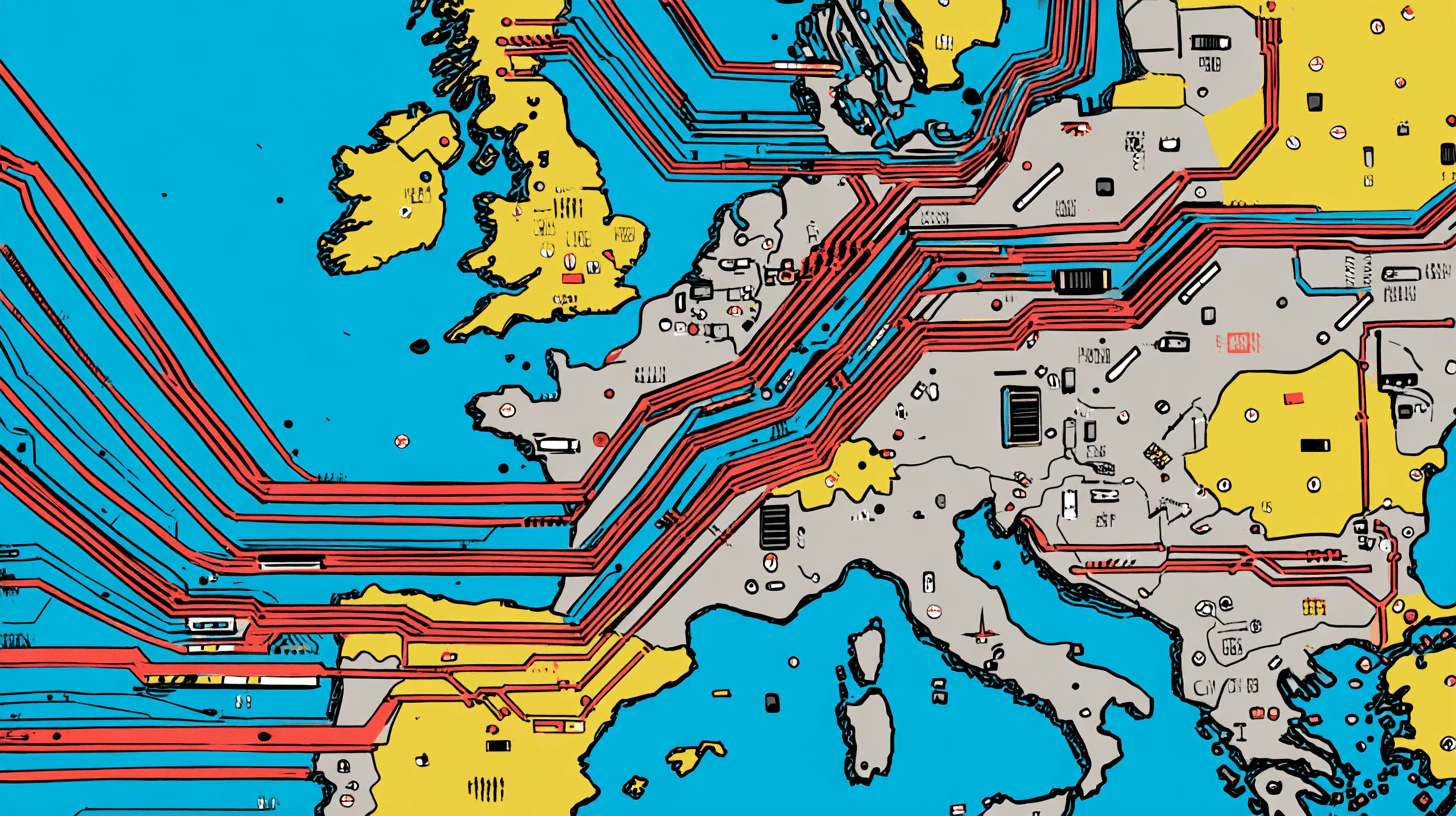
The European Commission has proposed the Cloud and AI Development Act (CADA), establishing strict digital sovereignty rules that would effectively require sensitive sectors to use cloud and AI services entirely immune from US jurisdiction. This regulatory push could shut out primary US hyperscalers like AWS, Microsoft, and Google, forcing European companies to use higher-cost, lower-feature sovereign cloud alternatives.
Key Takeaways
- Levels 3 and 4 of CADA mandate EU ownership and immunity from the US CLOUD Act of 2018 for sensitive data sectors.
- Sovereign cloud alternatives are estimated to cost 20% to 30% more than global equivalents with slower feature parity.
- The regulation targets US providers who currently control the majority of the European cloud infrastructure market.
- Washington considers these measures non-tariff barriers, following 2025 threats of retaliation against companies like Spotify.
Why It Matters
The immediate implication is a surge in overhead for European video platforms and data-heavy enterprises forced into fragmented, high-cost sovereign clouds. For the streaming ecosystem, this creates a technical divergence where European infrastructure lacks the specialized AI and machine learning capabilities of AWS SageMaker or Azure ML, potentially slowing local personalization and encoding innovations. The move risks a fractured global tech stack and invites further trade reciprocity from the U.S. toward European digital exports. Watch the USTR for a formal finding of unfair trade practices, which would trigger immediate tariffs on European tech services.
Additional Context
The CADA proposal follows a period of extreme regulatory density in Brussels, where the Digital Markets Act (DMA) and Digital Services Act (DSA) have already redefined operational requirements for 'gatekeeper' platforms. Per the Financial Times in April 2026, the European Commission has intensified its scrutiny of cloud concentration, citing the systemic risk of reliance on a handful of non-EU providers. This lean toward self-reliance is mirrored in the European Chips Act, which allocated billions to domestic semiconductor manufacturing to de-risk supply chains. However, the economic reality remains challenging; Reuters reported in May 2026 that European cloud providers like OVHcloud and T-Systems still struggle to match the capital expenditure levels of their American counterparts, who spend billions annually on R&D.
Simultaneously, the US-EU relationship has been tested by the enforcement of the AI Act. According to Bloomberg in February 2026, US trade officials warned that the AI Act’s transparency requirements for foundational models created a 'de facto' tech tax on Silicon Valley. This tension peaked during the Turnberry negotiations in July 2025, when a temporary truce was reached to prevent a full-scale trade war over digital services taxes. CADA essentially reopens this wound by adding structural infrastructure requirements to existing content and platform regulations. For streaming and media entities, this means navigating a legal landscape where data residency is no longer just a privacy preference but a strict requirement for market entry in the public and regulated sectors.
Read full article at fee.org
Enjoy our coverage?
Add StreamingMeme as a preferred source on Google to see more of our streaming news at the top of your Search results.
Add as preferred source