
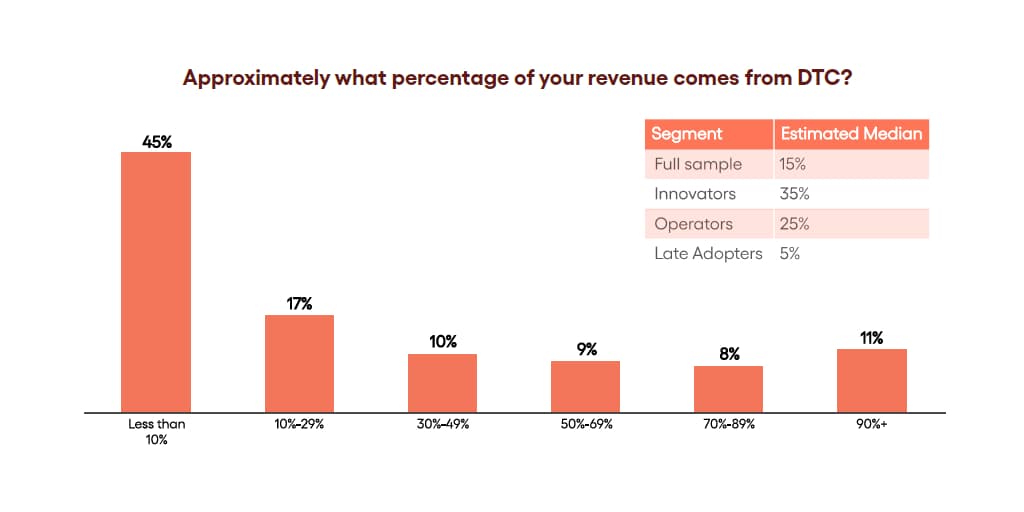
A research report by Appcharge and GDC indicates that the direct-to-consumer (DTC) mobile gaming market reached $17 billion in 2026. The findings signal a growing industry trend toward alternative billing models as publishers seek to bypass app store fees and improve user data ownership.
The $17 billion milestone confirms that DTC is no longer a peripheral strategy but a structural shift in the mobile economy. By bypassing traditional 30% app store fees, publishers are recapturing lost margins and gaining critical first-party data ownership. This trend, pioneered in high-frequency gaming economies, serves as a blueprint for the wider B2B and consumer app landscape, including SVOD and fitness services. The immediate implication is a widening competitive gap between 'DTC innovators' and the 62% of publishers who admit to being behind. Watch for a surge in third-party payment SDK integrations as mid-market publishers attempt to replicate the early-adopter advantage seen by category leaders.
The acceleration of DTC billing in 2026 directly follows the April 2025 federal court ruling in the Epic vs. Apple case. Per Washington Post (April 2025), Judge Yvonne Gonzalez Rogers found Apple in 'willful violation' of previous anti-steering injunctions, ultimately forcing the company to remove major hurdles for external payment links. While Apple initially attempted to maintain a 27% fee on external transactions, subsequent enforcement in 2025 and 2026 has increasingly limited the hardware giant's ability to tax out-of-app purchases.
In the wake of these regulatory shifts, infrastructure providers have moved to simplify direct billing. Per StartupHub.ai (June 2026), new drop-in SDKs like ZeroSettle have emerged, allowing developers to route payments through alternative gateways for fees as low as 5% plus $0.50 per transaction. This infrastructure shift is occurring as mobile gaming revenue is projected to reach $121.1 billion by the end of 2026, per Newzoo (June 2026), suggesting the DTC slice of the pie will continue to expand as technical barriers to entry dissolve.
Major platforms are also adjusting their broader entertainment strategies to prioritize direct engagement over app store dependency. Per PocketGamer.biz (January 2026), Netflix has pivoted to a 'cloud-first' gaming strategy specifically designed for TV-based play. This move allows the streamer to bypass mobile platform constraints entirely for a portion of its games library, including a reimagined FIFA title scheduled for the 2026 World Cup. By shifting engagement to the TV client, Netflix avoids the friction and fees associated with mobile app marketplaces, mirroring the strategic independence sought by DTC gaming publishers.
Add StreamingMeme as a preferred source on Google to see more of our streaming news at the top of your Search results.
Add as preferred source