
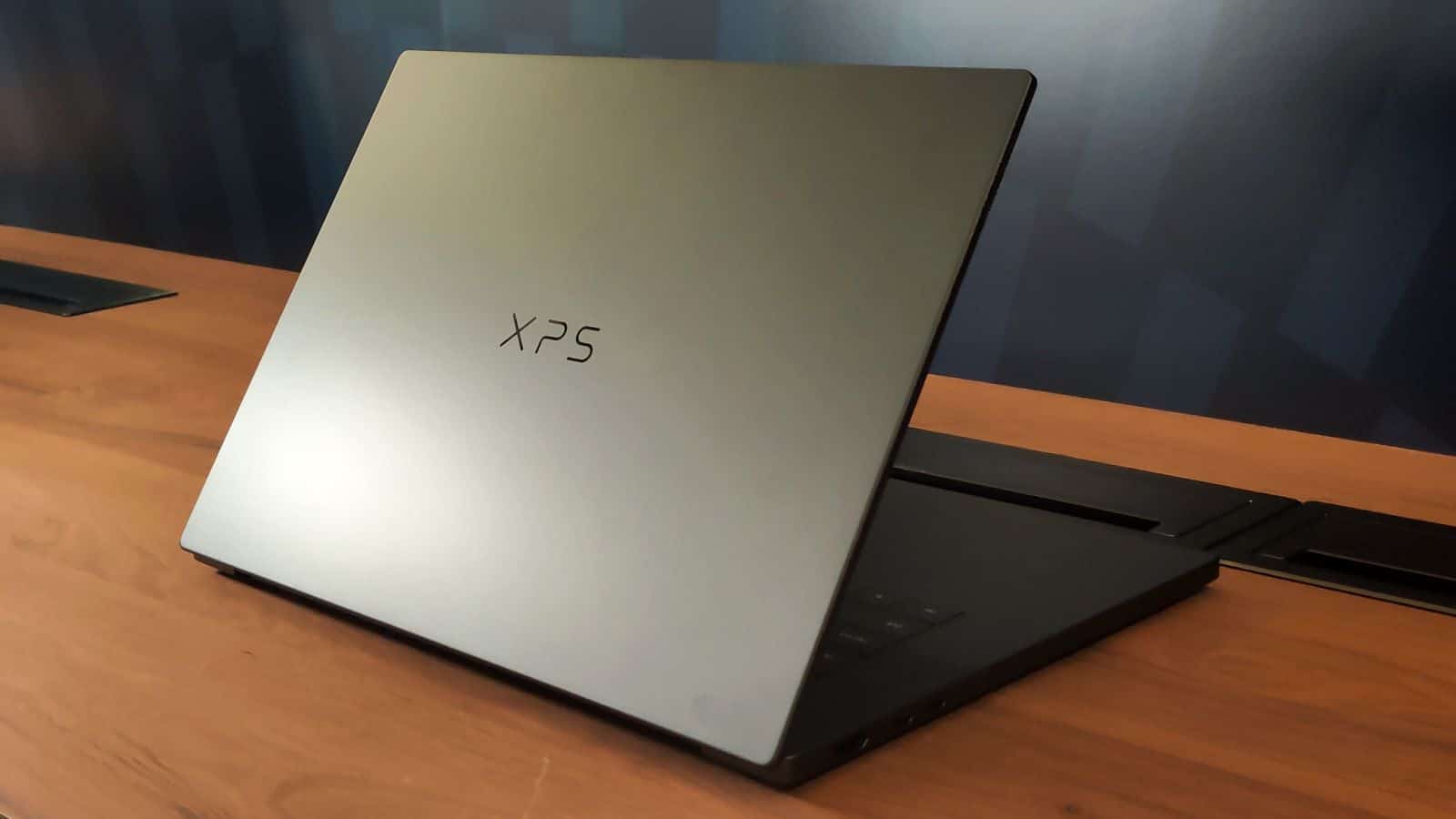
Dell and NVIDIA unveiled the XPS 16 Creator Edition laptop at Computex, featuring the NVIDIA RTX Spark platform. This device is designed for professionals in content creation workflows, supporting local AI workloads, complex creative applications, and high-performance graphics. Key features include up to 128GB of unified memory, a Tandem OLED display, and built-in SD card reader and HDMI port.
This move signals a pivot toward professional-tier local AI processing, shifting content creation from cloud-reliant workflows to hardware-accelerated edge devices. By integrating 128GB of unified memory into a thin-and-light chassis, Dell is directly challenging Apple’s MacBook Pro dominance in the creative sector. For the streaming industry, this hardware leap enables faster local 4K/8K rendering and 4:2:2 video encoding on the go, significantly reducing post-production bottlenecks. Watch for upcoming performance benchmarks of the RTX Spark platform against Intel’s Panther Lake and Apple’s M-series to determine if this ARM-based Windows architecture can maintain necessary power efficiency for complex video exports.
The XPS 16 Creator Edition is part of a broader industry-wide push for specialized 'AI workstations' as vendors seek to create a premium tier above standard office laptops. Per PCWorld (June 2026), NVIDIA confirmed at Computex that its RTX Spark platform will power over 30 new laptop models and 10 desktops from major manufacturers including ASUS, MSI, HP, and Lenovo. This rollout marks NVIDIA’s most significant push into the client PC market, moving beyond discrete GPUs to a full system-on-chip (SoC) design developed in collaboration with MediaTek.
Competitive pressure is mounting at the high end of the market, where NVIDIA and Microsoft are positioning these devices as the first Windows PCs purpose-built for 'agentic' AI. According to NVIDIA (May 2026), Adobe is already rearchitecting Photoshop and Premiere specifically for the RTX Spark architecture, promising a 2x performance increase for AI and graphics tasks. This software-hardware integration is essential for Windows on ARM to succeed where previous attempts failed.
However, analysts are signaling potential adoption hurdles due to high entry costs. Per Morgan Stanley (June 2026), the high-end N1X models—like the configuration powering the XPS 16 Creator Edition—are estimated to start at approximately $2,900. While the 128GB unified memory provides a massive buffer for 3D animators and LLM developers, industry observers noted by PCMag (June 2026) suggest these specs may be overkill for mainstream users, focusing the early market strictly on specialized digital engineering and professional video production.
Add StreamingMeme as a preferred source on Google to see more of our streaming news at the top of your Search results.
Add as preferred source