

Criteo cuts ChatGPT ad minimums to $10,000 as Google adds AI analytics
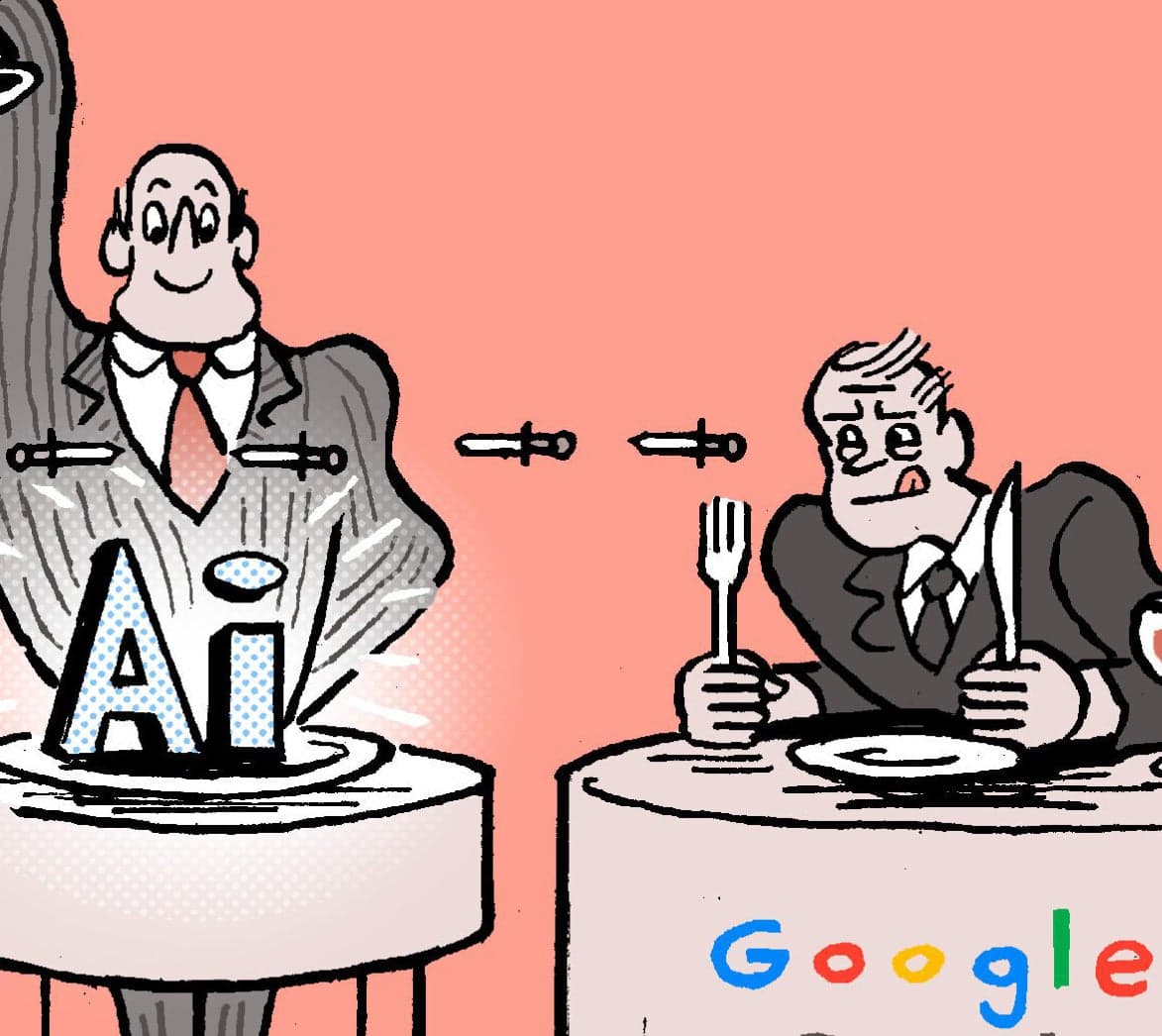
Criteo has reduced the minimum ad investment for ChatGPT from $50,000 to $10,000 to encourage adoption, while Google has introduced new generative AI performance reports within Search Console. These changes aim to make AI-driven ad channels more accessible and transparent for advertisers. The reports will provide metrics like impressions, pages, countries, devices, and dates for AI-driven search results.
Key Takeaways
- Criteo reduced ChatGPT ad minimums by 80% to encourage testing among retail brands.
- Google’s new Search Console reports track five dimensions: impressions, pages, countries, devices, and dates.
- ChatGPT officially surpassed 1 billion monthly active users in May 2026, according to Sensor Tower.
- New reports enable publishers to isolate performance for 'AI Mode' and 'AI Overviews' for the first time.
- Agencies like Brainlabs report high efficiency using product feeds but lack control over real-time campaign saturation.
Why It Matters
The reduction in spending thresholds signals a shift from elite experimentation to broader market adoption for conversational advertising. For streaming services, this provides a lower-cost entry point to test title discovery in an environment where search intent is high but accuracy remains a challenge. Google’s decision to unbundle AI metrics from traditional search reports finally gives publishers the visibility needed to justify GenAI-specific SEO workflows. As these platforms fight for a central role in the discovery funnel, the industry should watch whether Google adds click-through rate (CTR) data to its current impression-only reporting, which remains a significant transparency gap for performance marketers.
Additional Context
The push for transparency follows significant accuracy hurdles for AI in the entertainment sector. Per Forbes (June 2024), specialized research found that ChatGPT and Anthropic’s Claude scored below 51% accuracy when identifying streaming availability for major film and TV titles. This discrepancy highlights the risk for streaming marketers who rely on large language models that secondary search results show often use stale data crawled from the web rather than real-time catalog feeds. To combat this, agencies are increasingly using direct product feed integrations via partners like Criteo to ensure manual errors are minimized during conversational ad delivery.
Competition between the major AI labs is also intensifying as they approach potential public markets. Per Reuters (June 2026), ChatGPT reached the 1-billion-user milestone in just three years, outpacing the initial growth trajectories of platforms like TikTok and YouTube. However, recent data from Sensor Tower shows that while OpenAI leads in scale, Anthropic’s Claude is growing at a 640% year-over-year rate, compared to 62% for ChatGPT. This surge in alternative platform usage is forcing incumbents like Google to provide more granular measurement tools—such as the recent Search Console update—to retain publisher and advertiser loyalty.
Regulatory pressure is also a primary driver behind these technical updates. According to reporting from Oddtusk (June 2026), Google’s rollout of dedicated AI performance reports was accelerated by requirements from the UK’s Competition and Markets Authority. The agency mandates included a new 'toggle' in Search Console that allows publishers to opt out of AI training and snippets without sacrificing their traditional organic search rankings. This shift toward user and publisher control suggests that future ad tech developments in the AI space will be increasingly dictated by compliance standards and first-party data transparency.
Read full article at adexchanger.com
Enjoy our coverage?
Add StreamingMeme as a preferred source on Google to see more of our streaming news at the top of your Search results.
Add as preferred source