

Chinese platforms license human faces for AI microdramas starting at $15
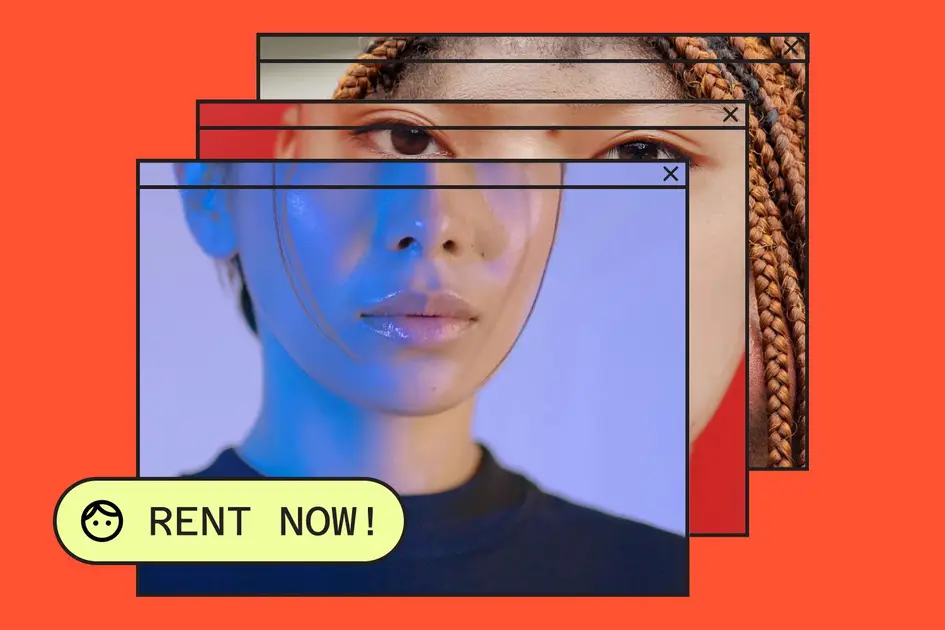
A burgeoning marketplace in China allows individuals to license their facial likenesses for use in the rapidly expanding AI-generated microdrama sector. With 95% of microdramas currently using AI, the trend highlights new legal and commercial challenges regarding synthetic media rights and nonunion production practices.
Key Takeaways
- Over 128,000 microdramas were released in China in Q1 2026, with an estimated 95% utilizing AI technology.
- Licensing fees for individual likenesses range from $15 to $700, categorized by attributes like age, gender, and facial 'type.'
- The Guangzhou Internet Court has handled approximately 700 cases of AI face theft over the past few years.
- TikTok’s avatar tool reportedly pays between $500 and $1,000 for likeness rights, though some participants have expressed regret over lack of control.
Why It Matters
The industrialization of synthetic likenesses marks a shift from experimental deepfakes to a scalable B2B commodity market. For the streaming ecosystem, this trend provides a low-cost alternative to traditional talent, enabling the high-volume content churn required by vertical-video platforms like ReelShort and DramaBox. However, it also creates significant legal liability for platforms as unauthorized cloning persists. Strategists should watch for the potential passage of the U.S. NO FAKES Act, which reached a critical committee milestone in June 2026 and aims to establish a federal intellectual property right in one's voice and visual likeness.
Additional Context
Additional context: The microdrama market has transitioned into a multibillion-dollar global industry, with Deloitte projecting that in-app revenue for the format will reach $7.8 billion in 2026. This growth is increasingly fueled by AI production workflows that reduce costs by as much as 90% compared to traditional live-action shoots. Per Omdia, July 2026, major U.S. streamers are now actively integrating the format; Peacock has licensed 10 titles from ReelShort, while Disney’s accelerator program recently included DramaBox to explore vertical serial storytelling. This volume-heavy environment makes synthetic actors nearly essential for maintaining profit margins. In the U.S., legislative efforts to curb unauthorized digital replicas have accelerated as these tools go mainstream. In June 2026, the Senate Judiciary Committee unanimously advanced the Nurture Originals, Foster Art, and Keep Entertainment Safe (NO FAKES) Act. This bipartisan bill would establish a federal intellectual property right for individuals—both celebrities and private citizens—over their voice and visual likeness. If enacted, it would provide a standardized framework for takedown notices and damages, largely preempting the current patchwork of state-level right-of-publicity laws, per SAG-AFTRA, July 2026. Simultaneously, social platforms are facing increased scrutiny over the misuse of these likenesses for disinformation. In August 2025, per The New York Times, deepfakes of high-profile journalists were widely circulated on TikTok to spread fabricated news about government policies, reaching millions of viewers. While platforms like TikTok have introduced mandatory AI-labeling requirements and content credentials to detect synthetic media, the rapid proliferation of marketplaces for 'rentable' faces complicates enforcement by blurring the line between consensual licensing and deceptive manipulation, a challenge further highlighted by EU AI Act transparency obligations.
Read full article at techbrew.com
Enjoy our coverage?
Add StreamingMeme as a preferred source on Google to see more of our streaming news at the top of your Search results.
Add as preferred source