

BOXX FLEXX infrastructure powers architectural virtual reality and remote work
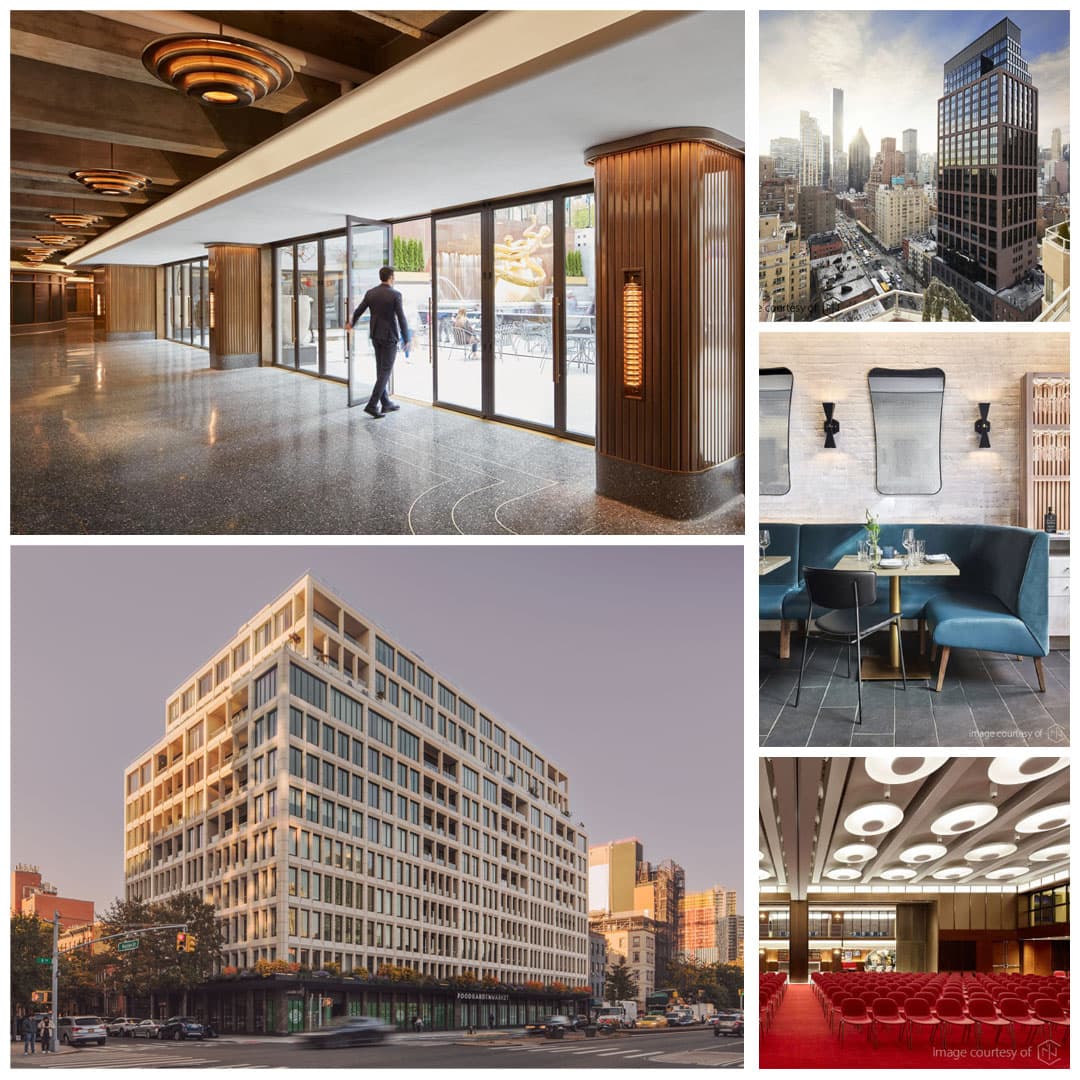
BOXX's FLEXX data center platform, utilizing high-performance GPUs, was deployed by INC Architecture & Design to enable remote access for their architectural and design workflows. This move allowed INC to support hybrid and remote work models, improve workflow stability, and attract talent. The system provides powerful compute modules accessible from any connected device, facilitating real-time 3D rendering and VR experiences for architectural clients.
Key Takeaways
- FLEXX platform supports up to 10 high-density compute nodes in a 5 rack unit enclosure.
- INC utilizes FLEXX to deliver real-time 3D and VR simulations to clients on mobile connected devices.
- System redundancy features include network-based troubleshooting and remote hardware restarts without physical intervention.
- Transition to the FLEXX model facilitated a 10% increase in talent acquisition by enabling fully remote design roles.
Why It Matters
High-density GPU infrastructure is becoming the essential backbone for firms moving away from fragmented deskside hardware toward centralized compute. As architectural workflows increasingly integrate generative AI and real-time visualization, local workstation limits are forcing a shift to low-latency, remote-access pipelines. This move signals a broader trend in professional video and design where specialized, rack-mounted nodes offer better ROI than standardized cloud instances, especially for GPU-intensive rendering. Watch for BOXX to further integrate its FLEXX hardware with its Workstation-as-a-Service (WaaS) cloud offerings as firms look to offload complete designer stations to hybrid cloud environments.
Additional Context
The data center GPU market is experiencing an unprecedented expansion, with global revenues valued at approximately $125 billion in 2025. Per Fortune Business Insights, May 2026, North America currently holds nearly 39% of this market share, driven by a rapid transition to high-performance computing (HPC) accelerators for AI and professional visualization. While cloud-based deployment remains dominant at over 68%, on-premises high-density systems are projected to register a higher compound annual growth rate of 15.7% through 2030, as enterprises seek to avoid the 'egress' costs and latency associated with hyperscale cloud providers.
In the architectural and production sectors specifically, real-time 3D rendering has become a daily operational requirement for over 75% of designers, according to a recent Chaos and Architizer report from April 2026. This shift is fueling demand for specialized hardware that can handle the massive VRAM requirements of platforms like Unreal Engine and Enscape without the management overhead of traditional PCs. Major vendors like HP and Dell have responded by expanding their Z and Precision rackmount lines, but smaller providers like BOXX Technologies maintain a niche by specializing in liquid-cooled, performance-tuned nodes designed for high-frequency CAD workloads.
Furthermore, the definition of workplace technology has broadened significantly. Per Upflex, June 2026, infrastructure now encompasses the entire technical stack that enables consistency between home and office environments. Firms are increasingly prioritizing 'hoteling' models where localized compute resources are accessed via thin clients. This approach not only optimizes physical office space but also serves as a critical recruiting tool; latest industry data indicates that architectural firms offering robust remote-work infrastructure are successfully capturing talent from competitors mandating a return to physical offices.
Read full article at boxx.com
Enjoy our coverage?
Add StreamingMeme as a preferred source on Google to see more of our streaming news at the top of your Search results.
Add as preferred source